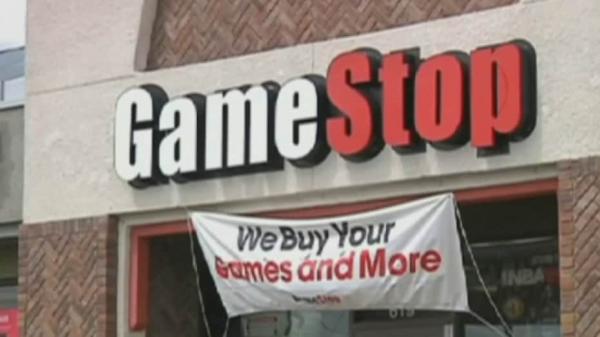
This is the prevailing GameStop narrative: A little guy can beat a big guy at his own game. The big guy sells short. The little guy does the opposite. The little guy wins big, if only on this occasion. Anyway, David stands and Goliath falls. It sounds biblical. Indeed, the GameStop rebels can't wait to proselytize.
Wall Street is shocked, and so is Capitol Hill. The movers and shakers are hardly prepared for this populist uprising in the financial world. No wonder Tucker Carlson rolled out the red carpet for the GameStop rebels on Fox News. He buys into their idea that small investors have found a way to break Wall Street's chokehold on Main Street.
With all due respect to Tucker Carlson, the GameStop story is about a lottery windfall, not a time-tested investment strategy. Buy-and-hold investors know what I am talking about, as their long-term approach has factored in the market's ups and downs. They usually have faith in index funds which don't really excite the media. Staying the course, buy-and-hold investors habitually resist the temptation of market-timing. To time the market is to speculate. To speculate is to gamble. Yes, Wall Street may be running the world’s largest casino, but a Main Street Joe or Jane can ill afford to gamble.
I hate to spoil the fun, but here is my concluding remark: No one knows for sure if big players have or haven’t been covertly involved in the game of GameStop. Goliath could be invisible. David could be fictitious.
--- by Lingyang Jiang