



| Context Analysis─Romeo & Juliet(語境分析─羅密歐與朱麗葉) |
| 送交者: 天邊的紅霞 2020年07月05日08:39:48 於 [五 味 齋] 發送悄悄話 |
|
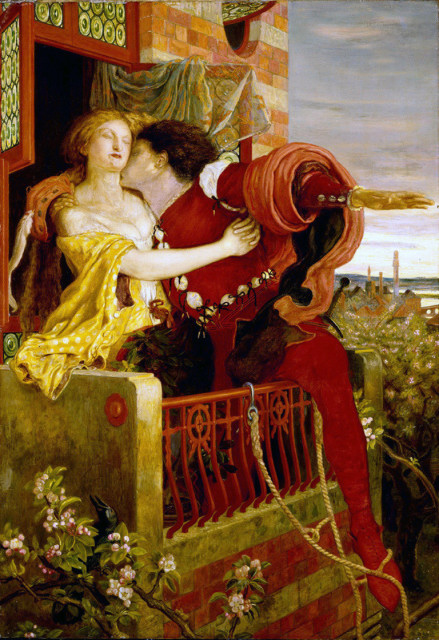
2017-11-02 【Aiden in English】 Dear Mom, Throughout history, certain people have left an imprint on society. Steve Jobs kick-started futuristic technology through mobile phones. Thomas Edison enlightened society over the mastery of light and electricity. And Karl Benz drove the world into the age of automobiles with his imaginable strength. However, among this list is William Shakespeare, a man who innovated with abstract concepts in works. His work did not physically change society as others mentioned, but his influence lives as long and deep as the English language. Born in 1564, Shakespeare entered the booming Renaissance. The time period presented new ideas and visions of culture, much of its effects altering Shakespeare’s work. For example, Shakespeare’s childhood was spent learning Latin and its history. It is here that he was first introduced to performance and short skirts at school motivated him towards writing. As shown in many references to Roman mythology and deities, his work portrayed much of current literature tastes. Of his thirty-seven plays that he would write over his lifetime, standouts such as Romeo and Juliet mark the standards of entertainment, even to this day. Written in 1594, it’s difficult to process how a work of writing can sustain its fame so far. These playwrights’ effects, although unseen in today’s society, do show Shakespeare’s fantastic legacy and the name he has built for himself. Shakespeare’s great metaphors are not limited to abstract, difficult ideas and processes, which defies common stereotypes. During an opening monologue of a scene by Friar, “From forth day's path and Titan's fiery wheels. Now, ere the sun advance his burning eye” (Act II Scene iii), an example of Shakespeare's poetic yet straightforward metaphors, relates the sun to Titan’s chariot. With the context of Friar’s monologue, this metaphor symbolizes the sun rising in the morning, bringing light to an empty canvas of darkness. In Roman culture, Titan is the equivalent of Helios, the Greek sun god, and rides the sun across the sky every day. Its usage here represents the marking of time since Shakespeare had to find a unique way to explain the passage of time without blatant narration. Therefore, a metaphor slipped into dialogue perfectly disguises yet informs the audience of the current time. Furthermore, the metaphor occurs during the introduction of Friar, a new character. His entrance to the plot also reveals foreshadowing within the same passage. “In plants, herbs, stones, and their true qualities...Nor aught so good but, strained from that fair use” can be interpreted as poisoning, which is also the way Romeo and Juliet take their lives. The use of the metaphor sets a serious mood for the passage, preparing the audience for a very large spoiler that resolves the rivalry between Montague and Capulet. Although the world has built up anticipation around this story, I do personally feel a bit let down. Whether if it’s because we are reading at a slow pace, or the enormous expectations were given, I do not think Romeo and Juliet have impressed my standards. I do not enjoy the brief descriptions and quick scenes that should be much more exaggerated, such as the marriage between Romeo and Juliet. I do, however, understand Shakespeare’s time constraints, but occasionally, a monologue here or there, particularly by the nurse of Juliet, extends way too long. If it were time that would constrain Shakespeare, I wish that he spent it characterizing another person, perhaps even described another scene. At the end of the day, his writing must’ve shown the unbelievable skill to have lasted this long in the school curriculum. Whatever complaints I may have, cannot argue against the fact that Shakespeare is ranked at the top of the changers of society. Aiden 【紅霞譯文】 親愛的媽媽: 縱觀歷史長河,有些人嘉言懿行造福於社會。史蒂夫·喬布斯發明智能手機,引導未來科技新潮流;托馬斯·愛迪生巧用光電效應,把光明帶進千家萬戶;卡爾·奔馳放飛幻想,推動世界進入汽車時代。然而,威廉·莎士比亞則以清新抽象的藝術創造同樣揚名天下,他的作品並非像上面幾位為社會帶來物質變化,相反卻如同英語文字歷久彌新並深刻影響着人們的精神生活。 莎士比亞生於1564年,正值文藝復興蓬勃發展時期,新思想新理念成就了他的文風變革,例如:莎士比亞童年學習拉丁語了解拉丁史,由此開始接觸舞台戲劇,學校里小品表演激發了寫作積極性,他把古羅馬神話及諸神引入豐富多彩的創造之中,就其一生所寫下的三十七部戲劇,《羅密歐與朱麗葉》可謂迄今為止文娛界首屈一指的典範,否則這部出自1594年的作品很難保持經久不衰,儘管在現代社會已難得一見,但名師效應讓莎士比亞充滿傳奇色彩,使其名聲遠揚。 莎士比亞擅長比喻,而且又不局限在抽象難以捉摸的構思及劇情發展上,與常見的刻板表現手法相反。開場一幕神父獨白:“像一群醉漢向四處狼奔。趁太陽還沒有睜開火眼”(第二幕第三場),這是莎士比亞詩歌式明喻一例,他直接把太陽與泰坦四馬金車聯繫在一起。神父這段道白揭示,朝陽升起,給布景上的黑暗帶來光明,古羅馬文化的泰坦也就是希臘太陽神赫利俄斯,每天跟隨太陽遨遊天空,莎士比亞用在這裡無非為了影射時間,既然不想明確指出,那麼就必須採取特殊方法來表明光陰流逝,於是便採用暗喻手法告訴觀眾所處的時刻。此外,莎士比亞同樣搬出借喻修辭方式將新人物神父介紹給觀眾,神父登台為劇情發展做好鋪墊。“石塊的冥頑,草木的無知…莫看那蠢蠢的惡木莠蔓,對世間都有它特殊貢獻”可以解釋成讓人中毒,引申羅密歐與朱麗葉走進絕境,比喻的運用渲染了悲傷情節,極力向觀眾暗示蒙太古和凱普萊特兩大家族消除世仇積怨。 儘管全世界都熱衷這個故事,但我個人卻有點不以為然,無論是因為我們閱讀進度緩慢,還是出於期望值過高,總之我覺得《羅密歐與朱麗葉》並沒達到自己預想的標準。我不喜歡簡短描述快變場景,至此應該增加砝碼大做文章,譬如羅密歐與朱麗葉的婚禮。然而我理解莎士比亞自有時間所限,但間或在這裡那裡出現旁白,尤其是朱麗葉的奶媽太過冗長。要不是時間作梗,我倒情願莎士比亞去塑造另一個人物,也許再描述另一個場景。最後,他的寫作技巧肯定非同凡響,不然我們何苦搭上這麼多課時。不管我怎麼抱怨都無法推翻事實,莎士比亞在社會變革中獨占鰲頭。 兒歌 Today in History(歷史上的今天): 2014: Cancun Getaway, Mexico(墨西哥坎昆逍遙行) 2012: “桑迪”過後的萬聖節(Halloween Post-Sandy)
Crosslinks(相關博文): 9th Grade: Text-Dep Analysis—Tech Difficulties(語境分析─科技苦衷) 6th Grade: Context Analysis─Eulogy to Freak(語境分析─悼念弗里克) 6th Grade: Text-dep Analysis─Stone Age Discovery(語境分析─石器時代創新) |
|
|
 |
 |
| 實用資訊 | |
|
|
| 一周點擊熱帖 | 更多>> |
| 一周回復熱帖 |
| 歷史上的今天:回復熱帖 |
| 2019: | “何不讓香港獨立?” | |
| 2019: | 香港大律師公會要求政府設獨立調查委員 | |
| 2018: | 君子不立於危牆之下看海航老闆翻牆死 | |
| 2018: | 從法國這教堂地矮牆下掉下去,確實疑點 | |
| 2017: | 手機照:哈珀斯渡口火車站 | |
| 2017: | 老天爺啊,我的稅款原來是這麼花的! | |
| 2016: | 紀念那些消逝在共產主義手裡的生命-布 | |
| 2016: | 令計劃不上訴,說明他接受了判決結果,也 | |
| 2015: | 幼河:對炒股的看法 | |
| 2015: | 雪山下的絳珠草:夏日炎炎來泡湖 | |
