逸草:想起過去不怎麼把美國政治當回事兒,對大選的投票也不積極。認為在美國體制下,誰當選總統都差不多。
直到2016年10月,孩子送來他們一群出生在美國的普林斯頓大學華裔畢業生,敦促父母勿投票給川普的公開信。才開始意識到關心美國政治的重要性,並站到了反川的行列。
這一陣,讀到好幾封華二代寫給華一代的公開信,體現出華二代對美國政治的投入,並有強烈的追求社會公平正義心。令人深深感動,為之驕傲自豪。好樣的,我們的孩子!
群友評論:大學教育是為未來社會培養輸送人才,提升社會總體文化水平,從而提供為社會各階層做貢獻的各種領軍人物的機會。弱勢群體在本來成長過程中資源缺乏的情況下,適當照顧他們,分配多一點的教育資源以彌補過去的缺乏是公平的,無可厚非的。
而且選這種人才真的也沒有一個統一標準,不是由考試成績或分數唯一決定的。大學入學很難講有什麼唯一或最好的標準,各學校當然會考慮自己的聲譽和利益做出對學校和社會都負責任的決定,無需過分擔心或抱怨,大學也需要生存。中國照顧邊遠地區,少數民族的政策不知道大家有沒有意見?
競技體育的目的是娛樂賺錢,當然要選能娛樂大眾能達到賺錢目的人。其實NBA 選秀也沒有唯一標準,不是誰個子高,或跑得快,或挑得高,或投得准,是一些綜合指數和球隊的需要。就這些比較明顯容易測量的標準,其實很多NBA選秀也都選的很差,經常有出乎意料的bust, 而且會浪費掉很多錢來給這些人合同。就這樣錯誤也是連綿不斷。
學校選未來的人才就更難了,不是人人上名校就有一個好的career,也不是非要上了名校才有好的career。上名校競爭其實遠沒工作以後的競爭複雜,完全沒必要在這裡糾結、陷入這個怪圈。絕大多數上學孩子們都不抱怨吧? 不上學的父母幹嘛這麼不高興呢?
Original 孔曉萌 硅谷生活家 Today
編者按:本文作者是普林斯頓大學2020屆畢業生,Fulbright獎學金獲得者。在這篇信息量巨大的文章里,她真誠、成熟、理性地討論種族歧視問題,每一個華裔父母,不管立場如何,都可以通過此文了解下一代的想法,打下和他們更好地溝通的基礎。“BLM不是一場比較哪個群體面臨更大歧視的競賽,而是一個了解每個群體面臨的不同歧視的機會。”文章由編者翻譯成中文,英文原文附在文後。
我父母在90年代後期從中國來到美國。父親來美國時只有20塊錢(每次講這個故事時這個數字都會變),但他獲得學位,孜孜不倦地工作,終於使我們家能享受目前舒適的生活。這是一個經典的移民成功故事,其他朋友的中國移民父母的故事也很類似。從我父母以及許多中國父母的角度來看,努力工作是成功的關鍵。他們將華裔美國人的成就歸功於勤勞的文化價值觀,並期望其他人以同樣的職業道德獲得同樣的成功。他們相信美國的精英制,而華裔美國人是“模範少數民族”,因此中國父母可能很難理解非洲裔美國人在成功道路上面臨的障礙。中國父母強調自力更生,但努力並不是成功的唯一因素,我們需要檢視華裔美國人在美國獲得的機會。受教育的機會使我父親憑學生簽證來到美國路易斯安那大學學習。這是他在美國上升的故事的起點。像其他華裔美國人的父母一樣,我父母為了在美國獲得成功離開了家人、朋友和祖國熟悉的一切。他們的旅程很不容易,一路上遇到許多障礙。他們通過辛勤勞動使家庭過上了舒適的生活。但是他們的勤勞是和機會並存的——而許多非裔美國人由於種族的原因沒有獲得這些機會。這些機會也為我進入K-12教育的magnet program並獲得普林斯頓大學的學位鋪平了道路。我的父母和我利用了我們在教育、住房、執法各方面獲得的公平待遇。這些都是非洲裔美國人在1965年平權法案之後一直努力爭取的,但他們仍然沒有得到。
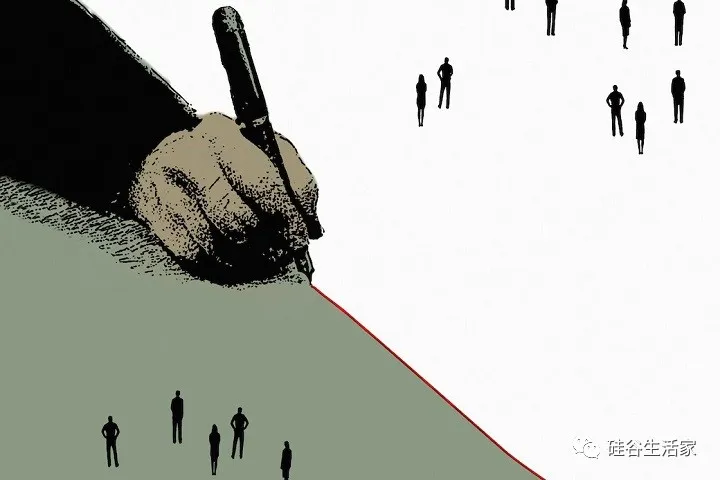
Getty/ Gary Waters的插圖,來自美國進步中心。
我聽到的中國父母的論點是,非洲裔美國人已經在美國社會享有足夠的好處,奴隸製發生於很久以前,與現在無關。他們很願意將注意力集中在他們聽說過的現代黑人成功故事上,例如巴拉克·奧巴馬,邁克爾·喬丹或奧普拉·溫弗瑞。他們看到了平權行動對亞裔美國學生的負面影響。但他們沒有意識到當前的美國社會中普遍存在的系統性種族主義。系統種族主義意味着當前的美國機構會因為種族而產生不同結果。今天對非裔美國人的歧視超出了我們在美國歷史課上所學的範圍,也超出了我父母在華裔圈子中所了解的範圍。華裔美國人沒有直接受到系統種族主義的影響,但這並不意味着它不存在。事實和統計數字清楚地表明了非裔美國人在機會方面面臨的障礙。中國文化重視教育。許多中國父母都非常注重他們的孩子獲得良好的成績並獲得學位。華裔父母經常認為非洲裔美國學生在學校表現不佳是因為他們缺乏勤勞的習慣以及他們的基因。但將黑人學生學業成績較低的現象歸咎於種族的做法,忽略了一些導致他們學業成績不佳的實際問題。美國社會的“從學校到監獄”的現象更大地阻礙了非洲裔美國學生獲得教育機會。根據《教育容忍》雜誌的說法,“從學校到監獄”其實是“鼓勵警察出現在學校、使用包括身體約束、自動停學等嚴厲懲戒手法的一系列政策”。非洲裔美國人和有學習障礙的學生受到這種制度的更大的危害。根據美國教育部民權辦公室在全國範圍內進行的一項研究,黑人學生被開除或停學的可能性是白人學生的三倍。非裔美國兒童占停學多於一次的學生人數的46%,儘管他們僅占學生的18%。傑西·倫茨(Jesse Lenz)的照片插圖,來自美國前景。種族偏見導致了黑人學生比白人學生高得多的停學率。印第安納大學諮詢與教育心理學教授拉塞爾·斯基巴(Russell Skiba)表示,黑人學生通常是出於主觀而非客觀原因而被送往辦公室。白人和黑人學生犯下具體過失——例如將武器帶入教學樓——的比例是相同的,但是黑人學生則更可能因為主觀的原因——例如威脅性行為或不尊重——被停學。斯坦福大學的研究人員詹妮弗·埃伯哈特(Jennifer Eberhardt)和傑森·奧科諾法(Jason Okonofua)進行的一項研究進一步證明了停學決定中的種族偏見。埃伯哈特和奧科諾法向老師講述一些有關學生行為不端的事件,隨後詢問是否以及如何懲罰學生,但對不同的老師使用了不同的學生名字。一些老師被提供了聽起來更像白人的學生名字,而另一些老師則被提供了非裔美國人常用的名字。他們發現,如果學生使用傳統上聽起來像黑人的名字,教師更有可能建議停學或使用其他嚴厲處罰。一些學校使用的“違反某些學校規定的學生將面臨強制性處罰,包括停學和轉送執法部門”的“零容忍”政策,更經常地被用於黑人學生。絕大部分停學都是針對輕微行為,而非嚴重罪行。學生被停學後,更有可能在學業上落後,從而導致進一步的自暴自棄和與學校脫節,而這又與少年犯罪緊密相關。由於父母的工作,這些被停學的孩子往往沒有成年人監督,因此將來輟學的可能性更高。被停學的學生更有可能最終進入少年拘留所,而在高一新生期間被停學的學生一年內完全輟學的可能性是原來的兩倍。這些學生大多數都沒能從高中畢業。這些家中通常有虐待、忽視和貧窮問題,或者自己有學習障礙的學生,不但沒有得到迫切需要的額外諮詢和教育服務,反而被懲罰,被孤立,被驅出了美國教育系統。這種政策當然是為了使學校更安全,但學生卻因輕微違反規定而被作為罪犯對待。將敘述重點放在“加倍努力”上,忽略了非洲裔美國學生在課堂上面臨的挑戰,而“從學校到監獄”的現象也是因為公立學校資金不足。這些學校面臨“擁擠的教室、合格老師的匱乏、以及諸如輔導員、特殊教育服務甚至教科書之類的額外費用的資金不足”,這對黑人學生的影響尤其嚴重。非營利組織EdBuild的一份報告發現,以白人為主的學區獲得的資金總額,比以有色人種為主的學區要多240億美元,白人學區的每個學生平均比非白人學區的學生多得到2,000美元經費。我不是看不到美國華裔學生和他們的父母付出的努力。但是美國學校系統中存在系統性種族主義,這減少了黑人學生的機會。如果教育機會是如此重要,那麼有必要承認由於美國現有的制度,非洲裔美國人在獲得這些機會方面有很大的困難。“從學校到監獄”的輸送管道、種族偏見和零容忍政策阻礙了黑人學生享有許多華裔美國學生享有的教育特權。與其指責黑人學生的成就率較低,不如考慮如何改善教育機構來提升所有種族的學生更有建設性。如果沒有機會,努力工作也不會帶來成功。擁有房屋所有權,特別是在馬里蘭州頂級學區的房屋所有權,是我和我父母都從中受益的又一個機會,而非洲裔美國人從歷史上看在這上面是沒有得到公平機會的。長期以來,非裔美國人由於“紅線政策”(Redlining)而被剝奪了住房機會。在1930年代後期,房屋貸款公司繪製了自己的地圖,這些地圖將基本上由種族構成決定的等級分配給每個街區,少數民族占多數的社區被貸款銀行視為“高風險”並標為紅色,這也是這個政策的名稱由來。聯邦住房管理局拒絕向這些紅色居民區提供抵押保險,與此同時卻為白人居住的郊區提供補貼,要求這些房屋不得出售給黑人。這種早期的隔離阻礙了居住在隔離社區中的家庭的向上流動。

紐約五個行政區的紅線政策。來自NPR的“MappingInequality”的屏幕截圖。
聯邦住房管理局一直到1960年代都禁止黑人購買郊區房屋,使他們無法與白人積累相同的房屋產權。根據對《法律的色彩》(The Color of Law)的作者理查德·羅斯斯坦(Richard Rothstein)的採訪,“有些非裔美國人能夠像白人美國人一樣負擔這些房屋,但被禁止購買。”里士滿大學數字獎學金實驗室主任羅伯特·尼爾森(Robert Nelson)說,由於紅線政策,有色家庭“無法利用20世紀實現家庭和個人財富積累的最重要途徑,那就是擁有自己的房屋。”由於私人投資者和金融機構減少了對內城黑人社區的投資,住房隔離制度被建立起來,而且一直延續到今天。2014年,白人家庭擁有房屋的可能性比黑人家庭高30%,能夠擁有住房的黑人家庭生活在貧困集中地區的可能性是白人家庭的4.6倍。儘管1968年的《公平住房法》從名義上終止了紅線政策,但針對黑人的房屋所有權歧視仍然存在。2009年,巴爾的摩的官員起訴富國銀行(Wells Fargo),理由是他們針對非裔美國人來兜售高息次級抵押貸款,導致數百宗對黑人家庭的止贖和驅逐。杜克大學經濟學教授帕特里克·拜耳(Patrick Bayer)進行的一項研究發現,相同社區中的相同單位對非洲裔美國人的銷售價格要高於白人,而且越是在白人人口較多的社區,這種差距越大。華裔美國人擁有住房比例高的原因可以歸功於他們做出的犧牲和他們的勤勞,但不應責怪非裔美國人沒有這樣做。系統性種族主義對當今的非洲裔美國房屋所有權和社區產生了持久影響。因為公立學校的經費來自地方房產稅,這些影響也擴展到教育上。由於歷史上的住房歧視,許多非裔美國人被限制在高貧困、低價值的住房區,從而將其子女限制在資金不足的學校就讀。當學校獲得較少資金時,學生成功的可能性就較小。在教育與卓越委員會(Equity and ExcellenceCommission)2013年的一份報告中,前教育部長Arne Duncan簡潔地總結了這種影響:“我們的系統無法公平地分配機會。”作為華裔美國人,我和我的父母也有機會免受執法歧視,而非裔美國人則會受到美國執法機構的不公平對待。社會上有一種認為非裔美國人更容易犯罪的偏見,這加劇了對黑人的負面刻板印象,以及許多中國父母持有的歧視性觀念。吉姆·克勞(Jim Crow)時代的媒體形象讓人們認為非裔美國人更傾向於從事犯罪活動。1915年的電影《一個國家的誕生》(The Birth of a Nation)將黑人描繪成攻擊白人婦女的“野蠻人”,卻將殘酷對待黑人的三K黨刻畫成英雄。現在黑人的媒體形象也同樣刻板。黑人男性是暴力犯罪肇事者的新聞報道的比率高於他們的實際逮捕率。媒體將黑人罪犯化的方式包括:展示入監照,對外表的貶損性評論,對犯罪行為的指控,以及談論他們以前的定罪。這些種族偏見可以從對在仇恨犯罪中槍殺九名非洲裔美國人的白人槍手Dylann Roof,和對因看起來可疑被白人槍殺的未持槍的黑人高中生Trayvon Martin的不同態度看出來。新聞媒體認為Roof的行為是因為精神疾病,並引用社會心理治療資源不足的信息,來將他人性化。Martin則被刻畫成危險人物,被媒體使用諸如“想變成街頭硬漢”和“可能的暴徒”之類的語言來描繪。這種差距絕非零星的例子。與白人相比,非洲裔美國人始終是犯罪者和侵略者的代表。這些刻板的觀念引發了美國刑事司法系統中的系統性種族主義。與美國白人相比,非裔美國人會面臨更高的罰款,不成比例地無法繳納保釋金,以及因非暴力犯罪而被判刑。20世紀下半葉的“毒品戰爭”進一步加固了這一形象。尼克松的前國內政策顧問明確解釋了毒品戰爭背後的種族主義:
我們知道,反對戰爭或生為黑人都不是非法行為。但是,通過讓公眾將嬉皮士與大麻聯繫起來,將黑人與海洛因聯繫起來,然後將大麻和海洛因都定為刑事犯罪,我們可以破壞這些社區。我們可以逮捕他們的領導人,突襲他們的房屋,衝散他們的會議,並每天晚上在晚間新聞中醜化他們。我們知道我們在撒謊嗎?當然。
因此,儘管表面上看毒品戰爭的目的是使社會更安全,但它製造了一個非洲裔美國人比其他群體更廣泛地使用毒品的幻象。雖然白人和黑人使用毒品的比率相當,但“毒品戰爭”在為黑人定罪的同時也為白人脫了罪。在1980年代至90年代的嚴厲打擊中,非洲裔美國人和拉美裔的快克可卡因(一種劣質可卡因:譯者注)用戶被妖魔化,而以白人為主的可卡因用戶則面臨較少的懲罰。快克可卡因和可卡因具有相同的化學組成,但可卡因用戶的用量是快克可卡因用量的18倍才會觸發聯邦刑事處罰。
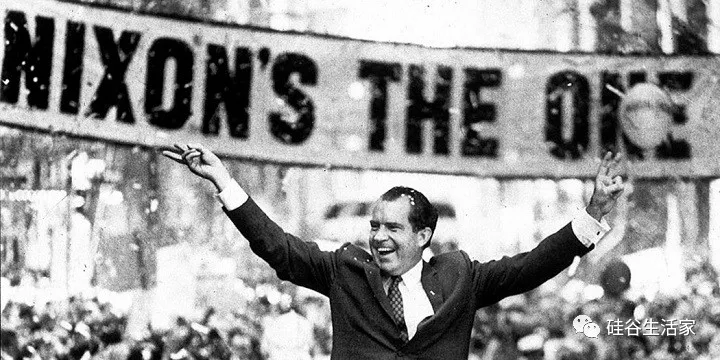
共和黨總統候選人理查德·尼克松(Richard Nixon)於1968年9月在賓夕法尼亞州費城的栗樹街上遊行。照片由Dirck Halstead/ Getty Images通過Business Insider拍攝。
儘管統計數據顯示,白人和黑人吸毒率相似,但黑人吸毒受到的懲罰要大得多。美國公民自由協會(ACLU)在2010年發現,儘管黑人和白人以相似的比率使用大麻,但擁有大麻的黑人被捕的可能性卻高出3.7倍,他們的監禁率幾乎是白人的六倍。從全國有色人種協進會的統計數字中可以看出懲罰和罪行的不相稱:在州一級機構中因毒品犯罪而被監禁的人中有33%是黑人,因毒品犯罪而被捕的人中有29%是黑人,但實際上黑人僅占非法毒品使用者的12.5%。在量刑方面,白人面臨的懲罰遠不如黑人嚴苛。同樣的罪行,黑人美國人面臨強制性最低刑期限制的可能性是白人的兩倍。吸毒是當今困擾美國的一個問題,但它在美國刑事司法系統中對非裔美國人的影響是不成比例的,而且導致了非裔美國人是罪犯的負面刻板印象。認為非裔美國人更容易犯罪的偏見也導致了執法人員的種族歧視。根據美國公民自由聯盟(ACLU)的說法,“種族歧視”是指“執法人員基於種族、宗教或國籍而懷疑某個人有犯罪行為的歧視性做法。”研究表明,種族歸類(racial profiling)是警察常用的方法。加州大學洛杉磯分校和菲利普·阿蒂巴·戈德博士的社會心理學家對來自12個不同警察部門的數據進行的研究發現,白人居民遭遇警力的頻率比黑人居民要低。斯坦福大學社會心理學家詹妮弗·埃伯哈特(Jennifer Eberhardt)博士從奧克蘭市警察局觀察類似數據後,發現60%的警察攔截是針對黑人居民的,儘管他們僅占總居民的28%。在交通停靠地點,黑人被搜查的可能性是白人的四倍,儘管搜查的結果顯示黑人嫌疑並非更可能攜帶違禁品。紐約公民自由聯盟分析了2014年至2017年紐約市警察局“截停和搜查”(stop-and-frisk)的數據,發現被截停的有38%是14至24歲之間的年輕黑人和拉丁裔男性,儘管他們只占紐約市人口的5%。他們當中有80%無罪。
一名警官於2019年10月10日在加利福尼亞州聖羅莎攔下一名駕駛員。克里斯托弗·鍾(ChristopherChung)/美聯社(AP)通過衛報(Guardian)攝。
種族歸類的做法並不局限於警察截停之中,在警察截停之外的場合也導致非裔美國人被以更高的比率逮捕和起訴。例如,舊金山的一項2018年的研究發現,儘管黑人僅占舊金山人口的6%,但41%的被捕者,38%的被起訴者,以及43%的入獄者,都是黑人。司法部2016年的調查結果顯示,舊金山警察部門有明顯的種族偏見跡象。大多數州都要求被捕者繳納保釋金以離開監獄。被捕後,非裔美國人比白人美國人更有可能被拒絕保釋,並面臨更高的保釋金額。結果成千上萬的黑人在監獄中待了幾個月甚至長達數年的時間等待審判,而被指控犯有同樣罪行的白人則可以通過保釋回家。美國黑人也更有可能被檢察官判處較重的刑罰。美國判刑委員會2017年的一項調查發現,即使犯了同樣的罪行,黑人男子的刑期也比白人長20%。2018年的一項研究發現,非裔青少年僅占青少年總人口的14%,但在因犯罪而被轉移到成年法院的未成年人中占53%,儘管被指控的白人和黑人青少年的百分比幾乎相等。這進一步使非裔美國學生失去了受教育的機會。美國刑事司法系統中的系統性種族主義,從種族歸類到更高的逮捕率和起訴率,導致了對非洲裔美國人的更高的監禁率。非裔美國人的監禁率至少是白人監禁率的五倍。在愛荷華州、明尼蘇達州、新澤西州、佛蒙特州和威斯康星州,非洲裔美國人的監禁率是美國白人的十倍以上。在馬里蘭州,監獄人口中有72%是非裔美國人。在12個州中,超過50%的監獄人口是非裔美國人。考慮到非洲裔美國人僅占美國人口的13.4%,這一數字令人震驚。美國監獄系統對非裔美國人的影響,也限制了他們在教育、就業、住房和投票方面的大量機會。那些被送進監獄的人本來技能和教育水平就比較低,出獄的時候也沒有改進甚至更差。美國監獄系統注重懲罰而不是修復,並不教導囚犯,尤其是那些患有精神疾病的囚犯,如何從心理上改善自己的行為,結果被囚禁的人在重返社會時面臨挑戰。出獄後,有犯罪記錄的申請人獲得工作的可能性降低了近50%。辛勤的勞動可以改變一個人的生活,但這隻有在可以獲得勞動的機會時才能辦到。
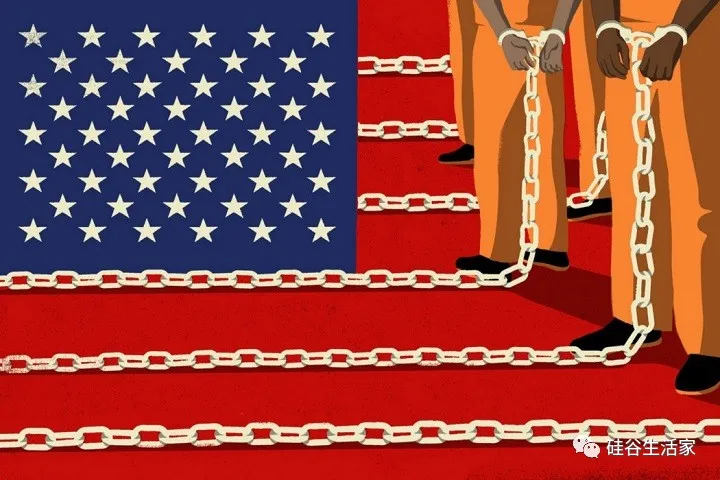
1865年廢除了奴隸制,1870年非洲裔男性獲得了選舉權,1964年種族隔離法結束,但這並不意味着美國現行的制度對非洲裔美國人是公平的。他們缺乏和被剝奪教育和住房的機會,以及遭受執法機構的不公正待遇,表明系統性種族主義在美國屢見不鮮。作為華裔美國人,應該認識到如果沒有機會,再願意辛勤勞動也無濟於事。儘管作為少數群體的華裔美國人在當今美國享有相對成功,但我們不應該輕視其他少數群體的掙扎和奮鬥。我們可以學着同情黑人社區,而不是批評和指責。“黑人的命也是命”不是一場比較哪個群體面臨更大歧視的競賽,而是一個了解每個群體面臨的不同歧視的機會。
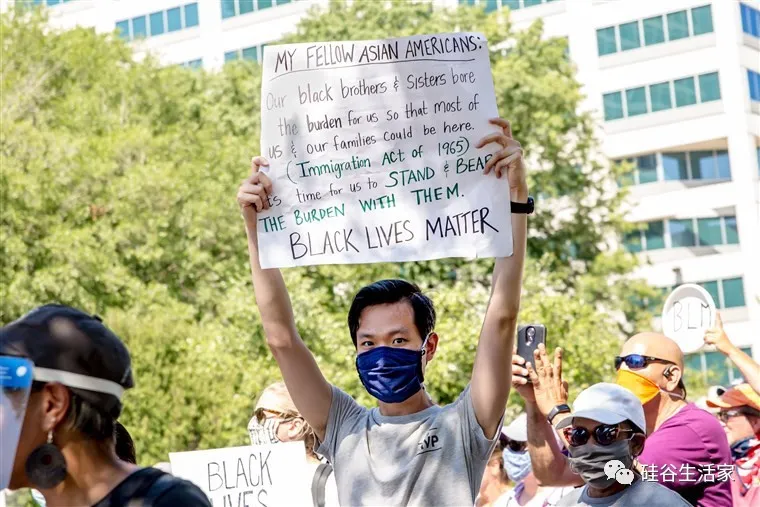
2020年6月7日,在弗吉尼亞州諾福克市舉行的城市集體祈禱遊行中,一名抗議者舉着標誌遊行。攝影:Annette Holloway / Icon Sportswire。
__________________________________我寫這篇文章,是想澄清一些從華裔父母那裡聽到的關於華裔與非裔美國人的誤解和刻板觀念。這裡陳述的觀點是我在與中國父母交往中聽到的。本文的目的是利用事實和統計數據來了解系統性種族主義如何影響美國非洲裔美國人的某些機會。還有很多對非洲裔美國人的不平等本文沒有提到。我還想指出,華裔美國人的經歷也並不是單一的,社會經濟階梯的所有梯級中都有華裔美國人存在。
Opportunity Privilege: Addressing the Role of Self-Reliance in Chinese American Success Our system does not distribute opportunity equitably — Former Education Secretary Arne DuncanMy parents immigrated to the United States from China in the late 90’s. They tell me how my father came to America with just twenty dollars in his pocket (this amount changes each time he tells the story), earned a degree, and worked tirelessly so that our family could enjoy our current comfortable lifestyle. It is a classic immigrant success story, similar to the stories of friends’ parents who also immigrated from China. From my parents’ perspective, and the perspective of many Chinese parents, working hard is the key to success. They attribute Chinese American achievement to cultural values celebrating hard work, and expect that others should be able to attain the same success with the same work ethic. They believe in American meritocracy and that Chinese Americans are a “model minority.” From this perspective, it can be difficult for Chinese parents to understand the barriers that African Americans face on the path to success. Chinese parents emphasize self-reliance, but effort is not the only factor that contributes to success. We need to examine the privilege of opportunities that Chinese Americans have been presented with in the United States.Educational opportunity enabled my father to immigrate to America on a student visa, in order to study at the University of Southern Louisiana. This is where his story of upward mobility in America begins. Like other parents of Chinese Americans, my parents left their family, friends, and all that was familiar in their home country for the chance of success in the United States. Their journey was by no means easy, and they faced many roadblocks along the way. They achieved a comfortable life for our family today through their work ethic. But their hard work went hand in hand with the presence of opportunities — many of which African Americans are either denied or deterred from because of their race. Opportunities are also what paved the path for me to attend magnet programs in my K-12 education and earn a degree from Princeton University. My parents and I reaped the benefits of fair treatment in education and housing, and by law enforcement. These are opportunities that African Americans fought for after the 1965 Voting Rights act and continue to advocate, but still do not have equal access to.I have heard arguments from Chinese parents that African Americans already enjoy sufficient benefits in American society, and that slavery happened so long ago that it has nothing to do with the present. They are quick to focus on stories of modern Black success they have heard about, like Barack Obama, Michael Jordan, or Oprah Winfrey. They jump on the negative impacts of affirmative action for Asian American students. However, they do not realize how prevalent systemic racism is in our current American society. Systemic racism means that current US institutions and systems produce disparate outcomes based on race. Discrimination against African Americans today is outside the scope of what we learn in US history class, and what my parents are exposed to in their Chinese circles. Chinese Americans are not directly impacted by systemic racism, but that does not mean that it does not exist. Facts and statistics paint a clear picture of the obstructions that African Americans still face in terms of opportunity in America.Educational OpportunitiesEducation is valued in Chinese culture. Many Chinese parents focus on their children obtaining good grades and earning a degree. Lack of work ethic combined with genetic factors are often cited by Chinese parents as reasons for why African American students do not perform as well as Chinese American students in school. But pinning lower academic achievement by Black students on their race ignores the actual issues that contribute to lower educational achievement as compared to Chinese American students. The school-to-prison pipeline disproportionately hinders African American students from many opportunities in education. According to Teaching Tolerance magazine, the school-to-prison pipeline is a set of “policies that encourage police presence at schools, harsh tactics including physical restraint, and automatic punishments that result in suspensions and out-of-class time.” Under this system, African Americans and students with learning disabilities are grossly overrepresented. Based on a study conducted nationwide by the US Department of Education Office for Civil Rights, Black students are three times more likely to be expelled or suspended than their white counterparts. Furthermore, African American children account for 46% of students who have been suspended more than once, even though they constitute only 18% of students.Racial bias contributes to much higher suspension rates among Black students versus white students. According to Russell Skiba, professor of counseling and educational psychology at Indiana University, Black students are more often sent to the office for subjective rather than objective reasons.Concrete offenses, like bringing a weapon into a school building, are committed by white and Black students at the same rate. But for more subjective reasons, such as threatening behavior or disrespect, African American students are more likely to be suspended. Racial bias in suspensions is further demonstrated in a study conducted by researchers Jennifer Eberhardt and Jason Okonofua at Stanford University. Eberhardt and Okonofua presented anecdotes about student misbehavior to teachers, and afterwards asked whether and how the students should be punished. The names were changed for different teachers, while the anecdotes stayed the same. Some teachers received students with more “white” sounding names, while others received names that are more commonly African American. They found that teachers were more likely to suspend or recommend harsher punishment in the future if the student had a conventionally Black-sounding name.The “zero-tolerance” policy, by which “students who break certain school rules face mandatory penalties, including suspension and referral to law enforcement,” is more often applied to Black students due to racial bias in schools. The vast majority of suspensions are for minor behavior and not serious offenses. After a student is suspended, they are more likely to fall behind in their academics, resulting in further discouragement and school disengagement, which is then strongly linked to juvenile delinquency. More often than not, these suspended children are unsupervised because their parents are working, resulting in a greater chance of future drop-out. Students who have been suspended have a higher likelihood of ending up in a juvenile detention center, and students who are suspended during their freshman year of high school are twice as likely to drop out of school entirely by a year’s time. Most of these students never see their high school graduation. Rather than receiving the added counseling and educational services they need, these children, many of whom deal with abuse, neglect, and poverty at home, or suffer from learning disabilities, are punished, isolated, and pushed out by the American educational system. On the surface, the policy is meant to make schools safer, but in reality students are criminalized for minor breaches of rules.Focusing the narrative on “trying harder” ignores the challenges that African American students face in the classroom, and the school-to-prison pipeline starts with public schools that lack proper funding. These schools face “overcrowded classrooms, a lack of quali¬fied teachers, and insufficient funding for “extras” such as counselors, special edu¬cation services, and even textbooks” that disproportionately affect Black Americans. A report by the nonprofit EdBuild found that predominantly white school districts receive a total of $24 billion more funding than districts with predominantly students of color. Each student in a white school district receives, on average, roughly $2,000 more than a student in a nonwhite school district.I am not discounting the effort expended by Chinese American students and their parents. But systemic racism in the US school system is present, which shrinks the pool of opportunities for Black students. If educational opportunities are so important, then it is necessary to acknowledge the difficulties faced by African Americans in attaining those opportunities because of existing systems in America. The school-to-prison pipeline, racial bias, and zero-tolerance policy hinder Black students from educational privileges that many Chinese American students enjoy. Instead of blaming Black students for lower rates of achievement, it is more constructive to think about how educational institutions can be improved to lift students, no matter the race. Hard work cannot lead to success without opportunity.Opportunities in HomeownershipHomeownership, particularly in a top school district in Maryland, is another opportunity which my parents and I have benefitted from, and which has been historically discriminatory towards African Americans. For a long time, African Americans were denied opportunity in housing due to redlining. In the late 1930s, the Home Owners’ Loan Corporation maintained maps that assigned grades, largely influenced by racial makeup, to each neighborhood. Deemed “high-risk” by mortgage lenders, predominantly minority neighborhoods were marked in red, hence the term “redlining.” The Federal Housing Administration then denied mortgage insurance to these red neighborhoods while concurrently subsidizing suburban neighborhoods for white Americans, requiring that none of those homes be sold to Black Americans. This early segregation has hindered the upward mobility of families that live in these segregated communities.The FHA prohibited Black Americans from purchasing suburban homes through the 1960s, preventing them from obtaining the same amount of equity as white Americans. According to an interview with Richard Rothstein, author of The Color of Law, “African Americans were equally able to afford those homes as white Americans but were prohibited from buying them.” Robert Nelson, director of the Digital Scholarship Lab at the University of Richmond, said that families of color “couldn’t avail themselves of what is arguably the most significant route to family and personal wealth-building in the 20th century, which is homeownership,” as a result of redlining. Because private investors and financial institutions reduced investments in Black neighborhoods in inner cities, a system of housing segregation was created and still exists to this day. In 2014, white families were 30% more likely to own homes than Black families. Furthermore, Black families that were able to own homes were 4.6 times more likely to live in neighborhoods with concentrated poverty than white families.While the Fair Housing Act of 1968 ended redlining practices in name, discrimination in homeownership for Black Americans is still present. In 2009, officials in Baltimore filed a lawsuit against Wells Fargo for singling out African Americans for high-interest subprime mortgages, which led to hundreds of foreclosures and mass evictions of Black families. A study by Duke University Professor of Economics Patrick Bayer found that for identical units in identical neighborhoods, African Americans pay higher sales prices than their white counterparts. They further found that this disparity increases in neighborhoods with higher white populations.High rates of Chinese American homeownership can be attributed to making sacrifices and working hard, but African Americans should not be blamed for failure to do the same. Systemic racism has lasting impacts on African American homeownership and neighborhoods today. Because public schools are funded through local property taxes, these effects trickle down to education too. A large number of African Americans are confined to high-poverty, low-value housing districts due to historically discriminatory housing practices, limiting their children to underfunded schools. When schools receive less funding, students are less likely to succeed. In a report by the Equity and Excellence Commission in 2013, former Education Secretary Arne Duncan summarized this effect succinctly: “Our system does not distribute opportunity equitably.”Opportunity to Fair Treatment by Law EnforcementAs Chinese Americans, my parents and I also enjoy the opportunity to freedom from discrimination by law enforcement. In contrast, African Americans are subject to unfair treatment by American law enforcement. This can be attributed to the criminalization of African Americans, which fuels negative stereotypes of Black Americans and discriminatory beliefs that many Chinese parents hold. Media portrayals from the Jim Crow era have contributed to the view that African Americans are naturally more inclined to engage in criminal activity. The 1915 film “The Birth of a Nation” heroically portrayed the Ku Klux Klan for brutalizing Black men depicted as “savages” who attacked white women. Media representations of Black men are similarly stereotyped now. In news coverage, Black males are disproportionately presented as violent crime perpetrators, as compared to actual rates of arrest.Mug shots, derogatory comments about appearance, allegations of criminal behavior, and previous convictions are all ways that Black people are criminalized in the media. This racial bias can be detected in the differing attitudes towards white shooter Dylann Roof, who shot nine African Americans in a hate crime, versus Trayvon Martin, an unarmed Black high school student who was shot by a white man because he looked suspicious. News media humanized Roof by attributing his actions to mental illness and citing inadequate resources for treatment of mental health. Martin, on the other hand, was portrayed as dangerous, with the media using language such as “aspiring street tough,” and “would-be thug” to depict Martin. This disparity is far from isolated, and African Americans are consistently overrepresented as perpetrators and aggressors as compared to white Americans. These stereotypes drive systemic racism in the US criminal justice system, as African Americans are subject to heavier fines, rendered unable to pay bail, and sentenced for nonviolent offenses disproportionally compared to white Americans.The “War on Drugs” in the latter half of the 20th century further drove this image. Nixon’s former domestic policy advisor explicitly explained the racism underlying the drug war:We knew we couldn’t make it illegal to be either against the war or Black, but by getting the public to associate the hippies with marijuana and Black Americans with heroin, and then criminalizing both heavily, we could disrupt those communities. We could arrest their leaders, raid their homes, break up their meetings, and vilify them night after night on the evening news. Did we know we were lying about the drugs? Of course we did.And so while on the surface the intent of the drug war was to make society safer, it birthed the misconception that African Americans use drugs more heavily than other groups. It created a “reciprocal relationship between the criminalization of Blackness and the decriminalization of whiteness,” even though drug use and abuse rates are comparable for white Americans and Black Americans. African American and Latino crack users were demonized in policy crackdowns in the 1980s-90s, while predominantly-white powder cocaine users faced less punitive measures. Crack and cocaine have the same chemical makeup, yet there is a 18:1 ratio for the amount of crack cocaine and powder cocaine required to trigger federal criminal penalties.While statistics show similar rates of drug use amongst white Americans and Black Americans, drug use is much more heavily punished for Black Americans. The ACLU found in 2010 that for marijuana possession, Black Americans were 3.7 times more likely to face arrest, even though Black Americans and white Americans use marijuana at similar rates. And in terms of imprisonment for drug charges, African Americans are imprisoned at almost six times the rate of white Americans. The disproportionate punishment can be seen in statistics from the NAACP, which show that 33% of those incarcerated for drug offenses in state facilities, and 29% of those arrested for drug offenses, are Black. However, the reality is that Black Americans represent just 12.5% of illicit drug users. And in terms of charges, white Americans face less harsh punishments. For the same offense, Black Americans are twice as likely to face a mandatory minimum sentence. Drug abuse is an issue that afflicts the United States today, but it has been a problem disproportionately pinned on African Americans in the American criminal justice system, and has led to negative stereotypes of African Americans as criminals.The criminalization of African Americans has also led to racial profiling by law enforcement. Racial profiling, according to the ACLU, refers to the “discriminatory practice by law enforcement officials of targeting individuals for suspicion of crime based on the individual’s race, ethnicity, religion or national origin.” Research has shown that racial profiling is preset in policing. In a study of data from 12 different police departments done by social psychologists at UCLA and Phillip Atiba Godd, PhD, Godd found that white residents were subject to police force less often than Black residents. Observing similar data from the Oakland police department in California, Jennifer Eberhardt, PhD, social psychologist at Stanford University, found that 60% of police stops were for Black residents, even though they make up only 28% of the total residents. At traffic stops as well, Black men were four times as likely to be searched than white men, although results show searches of Black suspects were no more likely to recover contraband. The NYCLU analyzed NYPD stop-and-frisk data from 2014–2017, and found that 38% of reported stops were young Black and Latino men between the age of 14 and 24, despite only comprising 5% of New York City’s population. These males were innocent in 80% of these cases.Racial profiling has far-reaching consequences outside of police stops, contributing to African Americans being arrested and prosecuted at higher rates. For example, studies of San Francisco in 2018 have found that 41% of those arrested, 38% of prosecutor-filed cases, and 43% of those booked into jail were Black, even though they represent merely 6% of the population of San Francisco. In findings by the Justice Department in 2016, there were significant signs in the SF police department of racial bias. Most states require those arrested to pay cash bail in order to leave jail. After arrest, African Americans are more likely to be denied bail and are faced with higher bail numbers than white Americans. As a result, disproportionate numbers of Black Americans wait for trial while still in jail for months and up to years, while white Americans who are accused of the same crime are able to go home by posting bail. Furthermore, Black Americans are more likely to be charged with heavier sentences by prosecutors. A 2017 survey from the US Sentencing Commission found that Black men are given sentences 20% longer than those of white men, even when committing the same crime. As for youth, a 2018 study found that African American youth comprise just 14% of the total youth population but make up 53% of minors who are transferred to adult courts for offenses, even though the percentages of white and Black youth that are charged are nearly equal. This further disadvantages African American students from educational opportunities.The pipeline of systemic racism in the US criminal justice system, from racial profiling to higher rates of arrest and prosecution, leads to higher rates of incarceration for African Americans. Incarceration rates for African American are at least five times the rate in which white Americans are incarcerated. In the states of Iowa, Minnesota, New Jersey, Vermont, and Wisconsin, the African American incarceration rate is more than ten times that of white Americans. In Maryland, 72% of the prison population is African American. In 12 states, over 50% of the prison population is African American. Considering the fact that African Americans represent just 13.4% of the US population, these numbers are shocking. The United States prison system disproportionately impacts African Americans, thereby limiting a host of opportunities in education, employment, housing, and voting. Those who are sent to prison enter with low skill-levels and low education-levels, leaving in similar or worse circumstances in which they entered in. The US prison system also focuses on punishment rather than rehabilitation, which does not teach prisoners, especially those with mental illnesses, how to psychologically improve their behavior. As a result, people who have been incarcerated are faced with challenges upon reentry into society. After leaving prison, applicants with a criminal record see their likelihood at a job offer reduced by almost 50%. Hard work can turn a person’s life around, but not when the opportunity to do so is unattainable.Slavery was abolished in 1865, African American men gained the right to vote in 1870, and segregation laws ended in 1964. But this does not mean that current US institutions and systems are fair for African Americans. Lack and denial of opportunities in education and housing, as well as unfair treatment by law enforcement show that systemic racism is ever-present in America. As Chinese Americans, it is constructive to realize that work ethic cannot pay off in absence of opportunity. Although Chinese Americans, as a minority group, enjoy relative success in America today, we should not discount the struggles of other minority groups. We can learn and empathize with the Black community, rather than criticize and accuse. The Black Lives Matter movement is not a competition to see which group has faced greater discrimination; instead, it is an opportunity to understand the different modes of discrimination that each group faces.__________________________________My motivation for writing this article was to address certain misconceptions and stereotypes that I have heard from Chinese parents about Chinese American versus African American success. The views presented are what I have heard in my personal experience with Chinese parents.The goal of this article was to use facts and statistics to inform on how systemic racism impacts certain opportunities for African Americans in the US. There are also many more unequal opportunities that exist for African Americans which are not mentioned in this article. I would also like to acknowledge that the Chinese American experience is not monolithic, and that Chinese Americans live across all rungs of the socioeconomic ladder.