



| 毛主席130誕辰紀念專輯(bilingual) 老董 2024年1月2日 |
| 送交者: 無套褲漢 2024年01月02日15:34:56 於 [天下論壇] 發送悄悄話 |
|
毛主席130誕辰紀念專輯 老董 2024年1月2日 毛主席誕辰130周年紀念會於2023年12月26日(美洲25日晚)在網上舉行。會上的發言以及會前會後收到的文稿編成本專輯寄上,請廣為傳發。
========================== 【特稿】 一、丁一:人口問題(並附與會者感言) 二、韓東屏:毛主席的人口政策是最人道最正確的 三、韓東屏:毛主席的對手總是不斷證明他是正確的 四、無套褲漢:紀念毛主席誕辰130周年——回顧與前瞻 五、文平:毛澤東思想光芒萬丈 六、老閒:在紐約紀念偉大領袖毛主席誕辰130周年座談會上的發言 七、李孟欣:獻給東方偉人毛主席 八、劉實:在毛澤東主席和基辛格博士之間 九、老董:巴勒斯坦人民武裝抗爭的時代意義 十、黃哲操:毛主席的自力更生思想源遠流長——毛主席130歲誕辰紀念會講稿 十一、牖下:毛主席談(人的)認識 ========================== ========================== 【特稿】 Roger: 這兩天網上爆紅這段話: “中國共產黨對毛主席的態度,決定了中國人民對共產黨的態度,也直接影響到了世界對中國的態度!” ========================== 一、丁一:人口問題 我在1986年寫過一篇文章 《關於毛澤東的思索》。其中有一節是“貶毛”,提到毛澤東應該對中國的人口問題負主要責任。我這樣寫: “中國今日尚未富足的主要原因,就是人口太多。舉一簡單例子,在韓丁工作過的張莊,從1949年到1971年,糧食·的產量雖然增加一倍以上,可是在這一階段中,耕地減少了39% (工業用及造路)人口增加了70%。人均口糧不贈反減。人口過多的傷害,一直存在且惡化。想象一下,雖然中國不如美國富饒先進,如果現在也只有二億人口,將會是多麼美好的國家;而美國如有十億人口,將變得多麼混亂,可怕。 “重讀1959,1960年馬寅初在《新建設》上寫的文章,可知道1960年一月,批判他的文章已發表了二百多篇。他說:‘自從《新建設》1959年11月號登出我的文章後,同意我的信已經不是少數了。有的雖表示同意,但不敢簽名,只寫【讀者敬上】字樣。。。。。我只得唱【獨腳戲】,我只得單身匹馬出來應戰。’” 毛澤東在1949年9月寫的《違心歷史觀的破產》中,他說: “中國人口眾多是一極大的好事,再增加多少倍人口也完全有辦法。這辦法 就是生產。”又說: “世間一切事物中,人是第一個可寶貴的。在共產黨的領導下,只要有了人,什麼人間奇蹟也可以造出來。” 1957年,在一次周恩來向毛澤東匯報時,毛說: “恩來呀,中國革命的成功,證明了一是人多好辦事,二是人多熱氣旺。” 幾百篇批判文章當是對毛澤東意見的響應。馬寅初自1950年就是北京大學的校長。在如此巨大的輿論壓力下,他於1960年辭職。那時他也已78歲了。 1979年馬寅初得到平反,獲聘為北京大學名譽校長。 1980年,“計劃生育”開始“一胎化”政策。 四十年後的今天,中國的生產是大大上去了。可是竟嫌人口太少。 世局多變。尤其在科技發展極快的今天,很難想象百年以後會是怎樣的世界。 “人口”可能不成為一個問題。 【與會者感言】 牽牛子: 會上有關中國人口問題和馬寅初人口論的談話,引人深思。 一個人口眾多的分工的社會裡,勞力和勞心越分越開,哪方應更受重視?勞心者和勞力者,應該誰聽誰的?我們看到的現實是勞心者得到較多的報酬,勞力者服從勞心者的意志。根據馬克思的資本經濟理論,勞心者的勞動“成本”高,單位時間勞動的“價值”大,按照“等價交換原則”,理應得到較多的酬勞。但是,我們同時也看到,勞力者提供了人們生存的必需品,勞心者提供了什麼?難以數計的“知識”!知識,有大有小,有好有壞,有對有錯,不能使人溫飽卻時常引起爭議叫人無所適從。對於知識的功用誰有發言權?誰能對知識的對錯作最終的評判?勞心者還是勞力者? ========================== 二、韓東屏:毛主席的人口政策是最人道最正確的 人口問題,是一個非常嚴重的政治問題。一般來說,窮國和窮人不擔心人口增加。擔心人口增加的是發達國家那些精英人士和一些不明就裡的人們。許多人談論人口問題,往往跟環保危機連在一起。但我們這個世界上的環境問題,不是中國農民和印度農民造成的,而是美國和西方的驕奢淫逸的生活方式造成的。 毛澤東時代的中國,中國農民過的是沒有垃圾的生活方式。所有廚餘都當做了豬飼料,地里的野菜,野草,都做了豬飼料,羊飼料,兔飼料。每個農民的家裡都養着一兩頭豬,幾隻羊,每個小學生都養着幾隻兔。學生放學後的第一件事,就是到地里挖野菜,割草回來餵自己家裡養的豬,自己養的兔。一九六零年,我五歲的時候我的家鄉遭遇嚴重自然災害,糧食緊張,我們村的很多家庭都開始養羊。我的父母就為我買了一隻小羊,讓我跟着村里比我大的孩子放了一年的羊。那個時候,我們村有上百支羊,十幾個孩子在一起放。那個時候把羊的糞交給生產隊做肥料,生產隊給工分。 生產隊鼓勵農民養豬,每頭豬給幾百斤紅薯,紅薯葉做飼料,因為豬能生產很多有機肥料,有利於增產。一頭豬養一年一般能長到兩百斤左右。農民可以賣給國家的屠宰場,國家安根據豬的肥廋情況,以每斤活豬四毛五分到四毛八分的價格收購,一頭豬可以賣一百元錢左右,如果是兩頭豬就是兩百元左右,在當時是一大筆收入。農民也可以選擇自己把豬殺了,到大集上去賣。每斤肉可以賣八毛四分一斤。屠夫殺豬,並把豬肉給賣出去,收費四元左右,還要管屠夫的酒飯,同時還要給屠夫一些肉或豬下水。我們家曾經請村裡的屠夫殺過自家養的豬,到大集上去賣肉,後來算了一下帳,沒有多少賺頭,後來就不再自己請人殺豬了,就直接賣給國家的屠宰場了。我們村當年有七個兼職屠夫,藍家兩兄弟和周家五兄弟。許多人說毛澤東時代買肉要憑票,其實是不了解中國社會的情況。憑票的只是國家商店的肉,每斤七毛三分一斤,城市人口每人一月一斤,農村人口一月供應半斤豬肉。但自由市場上的豬肉八毛四一斤,是不需要票的,要多少有多少,每天都有。雞蛋,魚,等各種副食品也一樣,憑票買的便宜一點,自由市場上的貴一點,只此而已,都是為了保證窮人也能吃上便宜一點的肉而已。 我上高中的時候對鋼筆書法很感興趣,沒事就練字。我用的第一支鋼筆,是上海出的英雄牌金筆,四元二毛錢一杆,就是用我買兔子掙來的錢買的。後來我把鋼筆弄丟了。心情很鬱悶。我的同學好友董申輝賣了他養的兔子,又給我買了一隻同樣的金筆,讓我很是感激,至今不能忘懷。那時的錢很管用。農民的孩子沒有零花錢,都是靠自己養兔子,撿廢品賣一點錢。一個牙膏皮能賣三分,一斤廢鐵能賣一毛,一斤廢銅能賣三毛,一斤廢紙能賣五分。國家收購站專門收購這些可以再用的廢品。我小時候的零花錢就是靠賣廢品和兔子來的錢。收購站也收購兔子。這就是為什麼一九七五年,西方世界經歷環保危機的時候,聯合國卻稱中國為第三世界的樣板,人類的希望。為什麼,就是因為中國人的無垃圾生活方式為保護環境做出了榜樣。 那個時候我們把所有人糞便,動物糞便,都收集起來,經過發酵,用到地里當肥料。這種把從地里得來的一切,再還給土地的做法,是最環保的做法,也是人類能夠延續下來的真正原因。這在西方的精英看來,都是不可思議的,但他們不知道的是用農家肥種出來的蔬菜瓜果是最好吃的。 美國人根本不知道保護自己的土壤,光從土地里獲取,人類和動物的糞便都當做垃圾處理掉了,造成嚴重的污染。而中國人一直把人類和動物的糞便當作寶貴的肥料。農民會到城市裡去把城市居民的糞便收集起來,回來發酵,用作種菜的肥料。這就是為什麼中國城市郊區的莊稼往往要比離城市較遠的地方要好很多,就是因為他們用了更多的人糞尿。在中國人的概念里,種的越久的土地越肥沃,而美國和西方的土地卻是越種越貧瘠,不得不靠休耕來保護地力。 世界上最擔心人口增長的人是美國精英。他們對第三世界國家的人口增長擔心的要死。為了讓印度計劃生育,減少人口的增長,他們在五十,六十年代給了印度六十億美元,引誘印度計劃生育。為了監督印度人,美國派出大量的研究生到印度去研究考察,結果後來發現美國人給印度的錢都打了水漂。印度的窮人,根本不想計劃生育。儘管印度用美國給的錢,訓練了很多農村醫生,建了很多農村計劃生育診所。因為農民需要孩子做勞力,作為養老的依靠。所以他們只有在有了五六個孩子之後,才會採取計劃生育措施。後來印度政府又採取物質獎勵的措施,農民如果到計劃生育診所就診,就會給他們一架收音機,或給他們一袋米或糖。結果也毫無效果,農民只有有了足夠的孩子後,才會到計劃生育診所去。精英們以為農民傻,其實真正傻的是他們自己。那些怪毛澤東批評馬寅初,造成中國人口增長的人,應該看看印度的人口情況。 印度政府拿來美國的錢,卻沒有降低人口的增長,美國人當然不干。在美國的壓力下,一九七五年印度開始全國緊急法令,逼農民計劃生育。印度軍警半夜三更沖入農民家中,把有生育能力的人抓到醫院結紮,他們把火車截停,把火車上的有生育能力的人強行拉到醫院結紮,所有政府部門的雇員,必須接受絕育手續才能保住工作,可以說世界歷史上最嚴厲的計劃生育措施了。但印度政府為此付出了慘痛的代價。英迪拉甘地被謀殺,她的兒子拉吉夫甘地也被謀殺。連窮人生育的權利都剝奪的政府和領導人,是不配活在這個世界上的。 中國政府一九五二年就開始了計劃生育立法,賦予人民採取避孕,絕育的權利。中國共產黨政府通過的第一項法令就是一九五零年三月八日公布的《婚姻法》賦予婦女平等權利,婚姻自主,婚姻自由的權利。這部法律的第一句話就是:國家保護婦女和兒童的權益。《婚姻法》解放了中國婦女,讓中國婦女享有跟男性公民同等的權利,這也成為中國政府後來推行計劃生育的有力武器。因為中國婦女享有平等的權利,他們的生育問題上有更大的自主權。因為這個緣故,中國的計劃生育問題在毛澤東時代,從里不是問題。 有一些別有用心的人說,中國人口額外增長几個億,因為毛主席錯誤的批判了馬寅初的《新人口論》,其實大多數人並不知道馬寅初的新人口論是什麼東西,以及馬爾修斯的人口論是什麼貨色。馬爾修斯的人口論其實很簡單,就是生活資料,如糧食等的增長是算數的,百分之一,百分之二級的增長,而人口的增長是幾何的,一對夫婦生四個孩子,就是兩倍的增長,四個孩子再生四個孩子,就是四倍的生長。所以生活資料增長趕不上人口增長的速度,就會造成災荒,疾病和戰爭等。這個觀點也是今天西方環保主義者的觀點。馬寅初宣揚的也是馬爾修斯的觀點。馬爾修斯認為解決人口增長的辦法,就是不能給窮人,工人發太多的工資,因為窮人和工人錢多了,就會多生孩子。要讓窮人和工人只能勉強維持溫飽,他們就不會多生孩子了。今天的西方環保主義者也是這種觀點,他們反對第三世界國家發展生產,搞基建等等。有些人甚至反對在第三世界國家修公路,修鐵路等。這就是為什麼西方人反對中國,反對中國的一帶一路等政策的真正原因。他們不想讓第三世界國家包括中國過上他們自己那樣的日子。 其實毛澤東時代的人口增加,主要不是出生率的增加,而是兒童的成活率增加了和人均壽命增加造成的。中華人民共和國成立之前的一九四九年,中國人的人均壽命只有三十二歲,兒童的死亡率是千分之二佰還多。三四十年代的舊上海,人口不過兩百萬,每天街上卻有兩百具無人認領的屍體,大多數是孩子。窮人生四五個孩子,能活下來的也就一兩個而已,這就是為什麼晚清到民國的一百多年裡,中國人口幾乎沒有增長的原因。而毛澤東時代中國人均壽命從一九四九年的三十二歲,增加到一九七六年的六十九歲,不到三十年翻了一番,而兒童的死亡率,從千分之二佰,降到了千分之八九。這就是毛澤東時代人口增加的主要原因,跟批判馬寅初沒有直接關係。 一九六四年,我九歲時利用課餘開始參加生產隊的勞動掙工分,到我一九七八年春天離開去上大學,我們村一千五百多人除了一例工傷和一例自殺外,沒有一例病死。人均壽命延長一倍是有有原因的。農村合作醫療的普及,生活水平的提高,人人有事做,人人有飯吃,有房住的社會大環境大氣候,是中國人的生活水平空前提高。人均壽命的延長,是衡量一個國家生活水平的最實在可靠的標準。 毛澤東時代的人均壽命翻番,人口總量也翻了一番。對普通老百姓來講,這是國泰民安,人民安居樂業的好事。但一些反毛人士就開始責備毛澤東批判馬寅初,造成中國人口翻番的罪過。他們一方面鼓吹毛澤東大躍進造成幾千萬中國人餓死,又想譴責毛澤東造成人口翻番,豈不是自相矛盾。 毛澤東當年說,天底下人是最寶貴的,在共產黨的領導下,只要有了人,任何人間奇蹟都可以創造出來的。這句話今天看來也是千真萬確的。沒有了人,就沒有了人類社會,就沒有了一切。一九七零年,毛主席提出人口問題也需要計劃。周恩來總理提出一個少,三個多,一對夫婦兩個孩正好。於是中國就開始全國範圍的計劃生育教育運動,而且取得了巨大的成就。我們村幹部召集社員開會,說我們的土地不可能增加,而我們的人口已經翻了一番,如果這樣下去肯定不可持續。因此要求村裡的年輕人二十五歲後再結婚,只生兩個孩子,間隔五年。我們村的年輕人都向村里保證二十五歲後結婚。我和我的大姐當年都保證要二十六後才結婚。到一九七六年毛主席逝世的時候,農村的計劃問題基本已經走上大部分人主動晚婚,只生兩個孩子。個別人想多生,村里也不懲罰他們,只是辦學習班,對他們進行教育,直到他們同意絕育為止。我的大表哥,妻子生了兩個女兒,他想要一個兒子,因此不想計劃生育。村里還有其他兩個人,也是因為只生了兩個女兒,不想放棄生一個兒子的想法,村里就讓他們到學習班學習。別人下地幹活,他們一個人到大隊部去學習。時間久了,他們也同意了接受絕育手術。 一九七九年中美建交,鄧小平出訪美國,受美國精英的蠱惑,接受了一胎化政策。美國人一直想干預中國的人口政策,因為兩國沒有外交關係,一直沒能得手。現在有了鄧小平這樣一個聽話的中國領導人,就把一胎化政策賣給了中國。與此同時,鄧小平解散了人民公社,讓農民分田單幹。中國農村的集體經濟,為農民提供了社會保障,這是中國年輕人能夠順利接受計劃生育政策的主要原因。現在國家強迫農民分地單幹,農民失去了社會保障。養兒防老的思想又重新出現。他們拒絕接受國家的一胎化政策。他們要趁自己年輕,多生養幾個孩子,老了好有人養老。 為了強迫農民接受計劃生育,鄧小平政府通過立法,把計劃生育定為基本國策,就是說計劃生育是法上之法,可以凌駕於一切法律之上。為了推行計劃生育,官員可以違法強制農民計劃生育。比如,可以給農民斷電,斷水,可以把農民的家具,糧食,電器搶走,以強迫農民就範。可以非法拘禁拒不執行計劃生育的當事人,當事人的父母,可以對這些人毆打。可以半夜三更闖入民宅,把懷孕婦女強行拖到醫院進行流產,可以在大街上,集市上把懷孕婦女抓走到醫院強行流產。八十年代,九十年代,許多農村地區的牆壁上的計劃生育標語說:要喝藥給你開瓶,要上吊給你拴繩,但生二胎絕對不行。許多地方成立了計劃生育執法隊,把想要多生一個孩子的農民整得死去活來。毛澤東時代的共產黨,以聯繫群眾,關心群眾,不打人罵人,跟農民同甘共苦為榮,鄧小平的共產黨成了農民的剋星,凶神惡煞,遠超過了當年國民黨反動派的保甲長。美國人利用一胎化政策,成功地瓦解了共產黨跟中國人民的魚水之情,使共產黨跟農民完全對立起來。如果不是習近平二零一二年上台後撥亂反正,加大對農村的扶貧工作,增加對農村地區的投入,緩解政府跟農民的關係,中國共產黨在中國根本就不會有前途。 現在中國人口嚴重老齡化。二零二三年,死亡人口一千一百多萬,新生兒只有七百多萬,中間差了三百多萬的缺口,出生率甚至低於韓國和日本。這樣下去,用不了幾年,中國人口就會斷崖式的下滑,老齡化的問題就會進一步加劇。中國的老齡化是非自然形成的,完全是政府的高壓下人為造成的。從一個家庭四五個孩子,一下子降到一個,這種斷崖式的減少,是人類社會歷史上從未有過的。鄧小平從美國人手裡拿來的一胎化政策無疑將對中華民族的未來造成曠世末有的大災難。中國政府要解決人口老齡化的問題,當務之急是清算和批判鄧小平的錯誤政策造成的惡果,向廣大人民群眾,特別是農民,請罪,求得他們的原諒。 ========================== 三、韓東屏:毛主席的對手總是不斷證明他是正確的 階級鬥爭是客觀存在,不以堯存不以桀亡 毛主席是人不是神,而人總是會犯錯誤的,所以毛主席也是會犯錯誤的,這是改開後毛主席的政敵們不厭其煩,反覆講的一個邏輯。為了證明毛主席晚年犯了錯誤,毛主席的政敵們可以說是煞費苦心,用盡各種各樣的陰謀詭計。他們說實踐是檢驗真理的唯一標準,完全不顧實踐早已證明了的真理:只有社會主義才能救中國。他們說毛澤東思想是他們那一代人的集體智慧結晶,完全不顧黨的歷史早已證明的事實,是毛主席一次又一次從他們那一代人的錯誤路線導致的致命錯誤中挽救了黨,挽救了紅軍。我們沒有資料證明他們這些鬼把戲究竟騙過了多少人,但就我從事農村調查研究三十多年的經驗來看,農村里貧下中農中農上當的人可以忽略不計。城市裡工人丟了鐵飯碗,幾千萬人下崗,上他們當的人也可以忽略不計。不然就無法解釋中國今天一浪高過一浪的毛澤東熱。 農村中真正反對毛主席的人,只是部分地富反壞右分子及其子弟,總數應該不超過總人口的百分之五。城市裡反對毛主席的人,也只是部分以前的資本家及其子弟,部分文革中被群眾揭露批鬥過的一些混進黨內和政府內的一小撮修正主義分子和階級異己分子。這些人的總數也不會超過城市人口的百分之五。這些人出於其自身的階級立場,階級利益,無需反毛宣傳,骨子裡就充滿對毛主席共產黨的刻骨仇恨,那是不以人的意志為轉移的。這些人的數量不多,但他們是改開後當政者着力培養和重用的人,因此他們往往占據着政府里,軍隊裡,文化宣傳部門的要津,能量特別大,讓人感覺他們的力量比他們的實際人數大得多。 二零一五年,我受邀去中山大學哲學所演講,中山大學近代史研究所的劉姓所長是山東老鄉,請我吃晚飯。席間他痛罵毛澤東時代,痛罵農村的集體經濟制度。我問他是什麼階級成分,他說他家是地主。我說那你有什麼可說的?中國革命,中國共產黨建立的政權,就是要剝奪地主富農的剝削所得分給貧下中農。地主富農不甘心失去他們曾經占有的土地和其他生產資料,廣大工農要維護新生的人民政權,就不得不鎮壓敵對分子。我告訴他,共產黨毛主席只是改造以前的地主和富農,而蔣介石反動政府對待敢於反抗的窮人,則是從肉體上消滅。蔣介石在江西蘇區,在鄂豫皖的蘇區,搞的是石頭要過火,人要換種的暴行。徐海東大將一家八十多口被殺,賀龍元帥一家也有幾十口被殺。國民黨反動派殺掉的共產黨人及其家人,至少得有兩千萬吧。那位中國近代史的劉所長對此當然心知肚明,沒有再與我爭論。 第二天我演講的時候,劉所長帶着他的研究生來聽我演講。讓中山大學的哲學所的許多教授和博士生感到意外,因為這位劉所長是從來不允許他的學生說文革好,不准學生提階級,階級矛盾和階級鬥爭。他的學生沒有人敢說文革好,沒有人敢提階級鬥爭。不然就畢不了業。他帶學生來聽我講階級鬥爭,講農村集體經濟,並且沒有跟我辯論,也算是給了我這個老鄉一些面子。但我真心希望他或他的學生跟我辯論這個問題,以便把這個問題搞清楚。我們生活的社會是階級的社會,不同的階級有不同的階級訴求,這些不同訴求之間的爭鬥,就是階級鬥爭。這是不以人的意志轉移的。生活在階級社會,不承認階級,階級矛盾和階級鬥爭的存在,就是貨真價實的掩耳盜鈴,或者說有眼無珠。 在共產黨奪取了政權,工農兵掌握國家機器的大形勢下,毛主席高瞻遠矚,告誡全黨全國人民不要忘記階級鬥爭,不要忘記資本主義復辟的可能性,在那個社會大氣候下,中國的工人農民真正能明白毛主席擔憂的人,實事求是地講是不多的。至少當年的我是理解不了的。毛主席去世那天,我爸爸一路哭着回家,回到家裡的第一件事,就是把全家人召集到一起說:現在毛主席不在了,窮人的天塌了。明天的中國會是什麼樣子,沒有人能知道。但他希望他的子女永遠不要忘記毛主席為中國人所做的一切。我當時心裡就不以為然,工人農民不是已經當家作主了嗎。怎麼能因為毛主席一個人去世,而發生改變呢。今天的工人農民還會有這樣的疑問嗎?改革開放四十年來,工人農民從自己的親身經歷中重新認識到階級的存在,重新認識到階級鬥爭的殘酷性。今天如果還有人講階級和階級鬥爭不復存在了,工人農民都清楚他們是在誤導人民。
有人反對以階級鬥爭為綱,認為以經濟發展為中心是對的。實際上毛澤東何尚不重視經濟發展。廣大工人農民不分日夜的奮戰在工農業生產的第一線上,建工廠,修水庫,育良種,搞科研,為了什麼?不就是為了發展經濟。在短短的二十幾年裡,我國的糧食產量翻了三番,建理起獨立自主的現代工業,現代國防工業體系,不就是為了發展經濟,改善人民的生活水平,廣大工農群眾能夠享受免費教育,免費醫療,人均壽命從一九四九年的三十二歲,增長到一九七六年的六十九歲,領先同樣起點的印度十九歲,難道這不是經濟大發展的最好證明。 為什麼要不忘階級鬥爭?就是要保證廣大工農群眾辛辛苦苦發展起來的經濟成果,不被別有用心的少數人占有,就是要保證廣大的勞動人民永遠牢牢的把生產資料掌握在自己手裡,把勞動成果掌握在自己手裡。黨內的走資派,社會上的資產階級,嘴上說不搞階級鬥爭,實際上卻從來沒有停止過階級鬥爭。看看改革開放以來的社會發展,工人農民失去了免費教育,免費醫療,幾億農民淪為農民工,全國三分之一的農民失地,幾千萬國營企業工人下崗,而許多的國營企業的管理者在私有化的過程中中飽私囊,成了新的資產階級分子。中國社會中的億萬富翁的數量超過美國,中國貧富分化,貧富懸殊的情況到了危險的境地,遠遠超過大多數資本主義國家,以至於國家長時間不敢公布基尼係數。實踐證明,階級鬥爭從來沒有在中國停止過。修正主義分子不讓工農大眾搞階級鬥爭的目的,就是為了掩蓋他們自己竊取經濟發展成果的“階級鬥爭”而已。 資產階級就在共產黨內 毛主席生前的另一個重要論斷就是資產階級就在共產黨內。毛主席從蘇聯共產黨上層變修的過程中,認識到黨內走資本主義道路當權派的階級屬性,及其對社會主義事業的危害,並冒着粉身碎骨的危險,放手發動群眾,起來與黨內走資本主義道路的當權派進行鬥爭。因為人民群眾充分發動了起來,利用憲法賦予人民的大鳴大放大辯論大字報的四大自由,有效的監督了黨和國家的幹部,他們與工農大眾一起住,一起勞動,一起吃飯,他們的子女跟工農子弟在同一所學校上課。他們生活在人民當中,沒有脫離群眾的機會,沒有貪污腐敗的機會,因為他們的一切都在廣大人民群眾的監督之下。文化大革命給了人民群眾監督官員的自由和權利,堵上了官員貪污腐敗的渠道,限制了官員胡作非為的自由。這就是為什麼當年人民群眾都認為文化大革命就是好,就是好來就是好的真正原因。據一個網上的調查,即使被抹黑四十多年後的今天,仍有超過百分之八十的中國人認為無產階級文化大革命就是好,以至於讓有些人感到文革否定的還不夠徹底 改開後的某些中國領導人背叛黨的初心,罔顧文革是億萬人民參與的反修防修的社會運動,徹底否定了文革,剝奪了人民群眾使用大鳴大放大辯論大字報的權利。他們不想再看群眾的眼色工作和生活,他們不再想做為人民服務的公僕,他們要當官做老爺,他們認為他們打天下勞苦功高,現在是他們和他們的家人做人上人,吃喝玩樂的時候了。他們搬出平民居住區,給自己蓋起洋樓別墅;他們給自己漲工資,提拔自己的子女占據政府要職,他們的子女不再與平民子弟讀同一所學校。他們用公款購買進口小汽車,用公款旅遊。他們跟許家印一類的無良商人勾結,把大量的國家資產占為己有,然後把錢轉移到國外,把債務留給國家和人民。他們的所作所為不斷證明毛主席發動文革是多麼的正確,多麼的有前瞻性。 中國的官僚階級與中國工農大眾的矛盾,在嚴酷的階級鬥爭中激化升級。我在農村考察的時候,親眼目睹中國農民把一個鄉長打到休克。那個鄉長坐着政府提供的轎車,被急需送病人去醫院的農民截住,要求鄉長將病人送往醫院,被鄉長一口拒絕,並說不是什麼人都可以乘坐鄉長的專車。他的話激怒了圍觀的農民。農民將他拖下車,暴揍一頓,直到鄉長休克為止。上級對此事進行了調查,最後也只是把鄉長調走,對鄉長實施暴力攻擊的農民太多,警察沒法抓人,最後不了了之。 還有一個鄉鎮的黨委書記,武斷的把該鄉鎮的一個農村大集遷到鄉鎮府的所在地,嚴重的影響了原大集所在地農民的經濟生活。農民多次請願,多次要求把市場遷回原地,被鄉政府無視。最後該村的農民在一天午休的時候,衝進鄉鎮府里,把一個麻袋套上正在午休的鄉黨委書記的頭上,然後一哄而上,把鄉黨委書記拖到大街上,一邊打一邊罵,直到該黨委書記休克。最後上級只是把該黨委書記調走了事,對參加毆打鄉黨委書記的農民沒有採取任何懲戒。因為這樣的事情太多了。政府只能採取息事寧人的辦法,避免官逼民反的情況出現。在習近平執政之前,中國農民圍攻毆打縣鄉政府的事件每天幾百起,全國一年十萬多起。嚴重的危害國家的安定。二零零五年,胡錦濤溫家寶不得不採取極端措施,放棄有幾千年歷史的土地稅和其他農村的所有稅收,以緩和與農民的矛盾。 文化大革命是清除貪官和各種社會不公的最有效的方式 改革開放以來,中國政府官員的貪腐達到了前所未有的地步。上至政治局常委,下至村長支部書記,幾乎是一查都是貪官。從軍委副主席,到國防部長,十幾位包括各個軍種的上將因貪污腐敗被抓,省長,省委書記,各部部長都抓的舉不勝舉,縣處級,鄉鎮一級被抓的更是成千上萬。自從習近平二零一二年接任中共中央總書記後,對貪污腐敗進行了嚴厲的打擊。被抓的各級官員有幾百萬,遠遠超過了共產黨奪取政權過程中戰損的數字。我在農村考察的時候,農民說如果一百個官員都槍斃,裡面可能一兩個是冤枉的。如果隔一個槍斃一個,那麼就有太多的貪官落網。一個縣級幹部親口告訴我,如果按照毛澤東時代的標準,他應該被槍斃一百次了。他之所以沒有被抓,是因為每個官員都跟他一樣。都抓了,沒有人當官了。 習近平自二零一二年上任以來,一直在懲治腐敗,官員抓了一批又一批,但被抓官員貪污的金額越來愈大,從幾百萬,到幾千萬,到幾個億,幾十個億,現在許家印一個人牽扯到金額就達到兩萬多億,而且貪污腐敗的手段越來越觸目驚心。這說明靠各級紀委的官員反貪是有局限性,往往紀委內部就有內鬼。只有像文革那樣,充分發動群眾,依靠全體人民監督各級官員,曾能形成一個官員不敢貪,不想貪的社會大氣候,才能有效的制止貪污腐敗,才能保證社會主義中國不改變的顏色。 現在是中國社會承前繼後的關鍵時刻。中國在國際和國內面臨着前所未有的巨大挑戰。中國應該向何去的問題,又重新擺在了中國人的面前。中國共產黨的章程是要搞共同富裕的,以習近平為首的黨中央也一再講要走共同富裕的道路,中國的廣大工農群眾,也是期待黨中央領導他們走向共同富裕的道路。但中國的走資本主義道路的當權派,那些通過官商勾結,竊取國有資產富起來的一小部分無良商人,部分地主資本家的後人是不想走共同富裕道路的。這就是階級鬥爭,這就是現實中的路線鬥爭。這兩者之間沒有調和的餘地。怎麼辦?共產黨沒有退路,習近平為首的黨中央沒有退路,中國人民沒有退路,只有堅定不移的沿着毛主席那一代共產黨人走下去,斗下去,退縮是沒有出路的,退縮就是死路一條。正像列寧在在十月里說的那樣,死亡不屬於工人階級。 謹以此文紀念人民領袖誕辰一百三十周年 ========================== 四、無套褲漢:紀念毛主席誕辰130周年——回顧與前瞻 四十七年前經過華葉汪李鄧反革命軍事政變上台的資本主義路線和道路全面篡奪了勞動人民的鐵打江山,實現了國內外資產階級最深刻與陰險的復辟資本主義的預謀。以美國的卡特總統為代表的西方資產階級代理人的身份通過中共埋伏在黨內五、六十年之久的階級叛徒、國家盜賊、人民公敵鄧小平及其一夥反動勢力篡奪了所有政治經濟軍事外交思想宣傳輿論等統治權力。正當這個資產階級專政政權的權力達到絕頂、人民群眾被迫走上絕路之際,全世界的資本主義道路出現了大滑坡的景象,其內部矛盾嚴重到了分崩離析和惶惶不可終日的晚期景象。 資本主義四大危機——大瘟疫、大蕭條、大戰爭和氣候大變化逼迫世界資本主義陣營出現巨大分裂與空前嚴重的自我否定傾向——世界上被剝削、被壓迫民族與人民空前覺醒和表現出敢於鬥爭的激情與志向。 分布在全世界各國各地人民群眾及其社區中間的“四大”(大鳴、大放、大辯論、大字報)等權力隨着對武裝到牙齒的世界資本主義的普遍不滿而迅速展開,並且成為了所向披靡的公民基本權力和武器,更為徹底地擺脫了世界資產階級專政下形式主義的、偽裝的所謂民主那塊臭不可聞的遮羞布的籠絡與收買。 由於西方(指美歐日)資本主義世界的腐朽性隨着其歷史上的痼疾而敗相畢露,被第三世界覺醒起來的人民嗤之以鼻;即便是所謂後起之秀的第二大經濟體的新修正主義反革命政權下的資本主義道路也正在出現不可挽回的敗相。 西方資本主義陣營所面臨的人民民主革命由於歷史原因屬於毛主席首創的新民主主義革命論的範疇,而新修正主義反革命即所謂特色黨統治下的中國的人民民主革命也同樣由於歷史原因屬於無產階級專政下繼續革命,即無產階級第二次文化大革命的範疇。這次北京街頭出現的第二次文革大字報說明:華葉汪李鄧江胡習八修不得人心已經到了其反動統治無可繼續下去的地步。隨着政治經濟社會領域矛盾深入惡化,將可能出現全國範圍內的第二次文化大革命的呼聲。當前的問題不再是繼續等待下去而是創造條件去爭取有利的發動時機、開展無產階級的人民民主革命專政的偉大事業。 第二次世界革命風暴將在偉大領袖毛主席所領導的第一次世界革命風暴的思想意識形態和階級路線道路的基礎上迅猛前進,這是可以斷言的。 ========================== 五、文平:毛澤東思想光芒萬丈 謝謝主持人和老董,風雨無阻,堅持初衷,今年繼續在綱上舉辦毛主席誕辰一百三十週年紀念會。我們始終堅信,毛澤東思想始終光芒萬丈。 世界正面對着百年變局。俄烏戰火持續延燒,巴以衝突再度重演,除了氣候變化之外,還有黑命貴,彩虹貴,油太貴,槍枝泛濫,科技與倫理,等等社會問題。表面上,這些是種族分歧,歷史後遺症,看似是蒙蔽與覺醒,一個大多數與一小撮的關係,俄羅斯人與烏克蘭人、巴勒斯坦人與以色列人之間的歷史民族恩怨,創新與守舊,等等。 實質上,這些衝突,歸根到底,還是階級鬥爭,還是以民為本的問題。如果忘記了人民,忘記了為人民服務,忘記了為大多數人民服務,就避免不了戰爭,解決不了問題,永遠伴隨着社會動盪。中國有着數千年的歷史,可以尋找出不少經典例子。 東方紅,太陽升,中國出了個毛澤東。所有華人都非常慶幸中國出了一位偉人和民族英雄,毛澤東主席。他的思想指導着我們,不單是對我們中國人本身而言,也對世界產生了深遠的影響。 在天安門廣場上,有兩幅大型的鮮明標語,一是中華人民共和國萬歲,另一是世界人民大團結萬歲。歸根究底,人民萬歲。中國各族人民團結一心,在習主席和黨中央的領導下,繼續創造輝煌,遙遙領先,這是所有中國人的幸吆推詿J瀾縟嗣翊髨F結的路仍然很長很艱巨,我們堅持把人類命吖餐w的理念撒向全世界,這個世界一定會變得越來越美好。 最後,謝謝大家,敬祝各位身體健康,新年新春快樂! ========================== 六、老閒:在紐約紀念偉大領袖毛主席誕辰130周年座談會上的發言 前一段時間,在網上看到人民群眾冒着嚴寒和大雪,排着長長的隊伍前往瞻仰毛主席紀念堂,不禁令人淚目。確實,老人家在中國人民心中的地位是無人可以代替的。 在今年這個主席誕辰130周年的日子裡,形勢可以用主席的那句詩來形容:高天滾滾寒流急,大地微微暖氣吹。北方南方接連發生了幾起拆除毛主席像的事件,引起了人們強烈的憤慨,也多少在人們的心靈上蒙上了一道陰影。於是便有在網上爆紅的這段話: “中國共產黨對毛主席的態度,決定了中國人民對共產黨的態度,也直接影響到了世界對中國的態度!” 在主席誕辰日臨近的時刻,我注意到有告示:毛主席紀念堂12月26日上午因有工作不對公眾開放,下午才開放。不由得期待着會有官方的紀念活動在紀念堂舉行。 終於等到了報道:中共中央12月26日上午在人民大會堂舉行了紀念毛主席誕辰130周年座談會。會前習近平等領導前去瞻仰了毛主席紀念堂。中央順應了民心,民心為之大悅。 毛主席與中國最廣大的人民大眾之間的血肉聯繫是任誰也割不斷的。正在看為紀念主席誕辰推出的電視劇《問蒼茫》,勾起了對當年在江西插隊時前往安源參觀的回憶。主席來到安源,親自下到礦井深處,與被壓在社會最底層的“煤黑子”促膝談心交朋友,感動了廣大工友。“昨天是牛馬,今天要做人!”工友們能不追隨主席走上謀求解放之路嗎? 更聽到過一位天津老工人的故事。天津解放時她還是一家紡織廠的小童工,對外面的事情了解很少。僅僅29小時解放軍就攻破了天津城。她像往常一樣去工廠上班,卻驚奇地發現平時凶神惡煞的工頭那天臉上堆滿了討好的笑容。直覺很快告訴她,毛主席共產黨來了,解放了! 整個毛澤東時代是艱苦奮鬥的創業時代,也是熱血沸騰的年代。毛主席教導大家,社會主義制度的建立開闢了一條到達理想境界的道路,而理想境界的到達還需要大家的艱苦奮鬥。翻了身的中國人民自覺地跟着共產黨和毛主席,用自己的汗水努力改變着祖國一窮二白的落後面貌,為建設一個繁榮富強的新中國辛勤地工作。沒有了壓迫和剝削,大家心情舒暢,幹勁沖天,就像一首歌里唱的那樣,“再苦再累心裡甜”!而隨着祖國的日益昌盛,每個人都充滿着希望,因為生產發展和社會進步的紅利屬於全社會每個人所有,而不會專美於一小部分捷足先登者。 今天我們紀念毛主席誕辰130周年,必須要考慮的問題是如何才能堅持在毛澤東思想的指導下,將他開創的社會主義事業不斷地向前推進。為此,廣大人民群眾以主人公的身份,發揮好自己的歷史主動精神,就十分重要了。讓我們團結起來,一起努力奮鬥,奔向共同富裕的社會主義方向。 ========================== 七、李孟欣:獻給東方偉人 毛主席 在毛主席誕辰紀念日這個特殊的日子裡,請讓我們再次回顧那段屬於人民的光輝歷史,紀念偉大領袖: 毛澤東主席。 毛主席不僅是中國革命的偉大領袖,更是以人民為本的堅定信仰者,他領導中國走向獨立、自由和尊嚴的道路,留下了不可磨滅的偉大印記。 毛主席以人民為本,並且始終堅信,一個國家的興衰榮辱取決於人民。在他的領導理念中,最為鮮明的一點就是將人民放在首位。在毛主席長期的革命歷程中,他深刻理解到貧苦人民的疾苦,因此提出“為人民服務”的思想,積極改善戰後貧苦的中國並使其走在正確的社會主義道路上。 為何毛主席堅定地主張社會主義制度,並且視之為對抗資本主義的有效手段。因為他深知資本主義體制下的剝削和不公,因此積極倡導社會主義,追求人類社會的真正公平和公正。回憶起數年前的新冠肺炎時期,印象猶深,直接暴露出資本主義國家看待人民的方式。資本主義國家大多採取自由隔離機制,名義上是尊重人民自由,實際上是直接實施了社會達爾文主義,有錢就積極治療,沒錢就放棄治療,展現了資本大於人民生命的歪曲制度和思想。 古有雲: 長樹先長根,立人先立德。人類社會的根本應是以人為本,並非以資本為本。人類創造貨幣建立資本卻被貨幣和資本所奴役,這並非當初創造貨幣的本意。卻是當今主流,實屬感慨。 紀念毛主席並不僅僅是為了回顧歷史,更是為了繼續他的思想,走向更美好的未來。以人民為本的理念永遠是我們建設社會、推動發展的不變基石。 ========================== 八、劉實:在毛澤東主席和基辛格博士之間 基辛格博士去世以後,不少中外媒體稱他為打開中國大門的人,為中美建交奠基的人。對於媒體上的這種稱讚,基辛格博士生前就直接作了評斷。我們不妨看他是怎莫說的: “始料不及的的是,在中國媒體的報道里,每每提到1972年中美關係改善,大部分文字給了我,讚賞我為此做出的貢獻。這是不妥的,不公平的,也令我不安,大部分文字應該給偉大的毛澤東主席和周恩來總理。” 首先,基辛格博士是奉尼克松總統之命多次訪問中國的。更重要的是如果毛澤東主席和周恩來總理不予配合,他的訪華肯定是會徒勞無功的。此處我們所要探討的是:毛澤東主席為何欣然與“美帝”的特使配合? 話說1969年發生了珍寶島事件,中國的邊防部隊使蘇軍吃了個大虧。布列茲涅夫在震怒之餘,動了以核武器襲擊中國的的念頭。他計劃轟炸三十七個中國城市其中特別包栝中國的核基地。他知道問題重大,所以他以密函徵求五個國家的意見,其中就有美國和西德。 首先有反映的是尼克松總統,他與基辛格密商之後,將這個大消息發給《華府之星》那個小報,他同時宣布:“美國反對蘇聯以單方面行動破壞世界力量均勢。”西德總理布蘭德特則聲明中國擁有高度文明,給它時間,他會擁有應有的的地位,西德反對蘇聯這一行動。與此同時,毛澤東主席仿朱元璋發表了他的九字真言:“深挖同,廣積糧,不稱霸。”毛澤東主席要將核武攻擊造成的損失降到最低點。對外聯美制蘇,在國內則落實這九字真言,遂使蘇聯為之束手,中國人民安然躲過了這一劫。 基辛格歸功於毛澤東主席完全正確,同時也表現出他自己的風格。 ========================== 九、老董:巴勒斯坦人民武裝抗爭的時代意義 於無聲處聽驚雷 10月7日哈馬斯領導的加沙武裝起義,震撼全球。一夜之間,大局改觀。之前,美國主導,中東兩大對敵的以色列同沙特阿拉伯握手言歡,商談新的中東勢力劃分,其實就是要將早已名存實亡的阿拉伯國家在巴勒斯坦問題上形成的中東國家共同對抗以色列的聯盟默契徹底取消,代之以新的以色列沙特阿拉伯分治中東的協議。這個國際新動向正在大力宣傳之時,加薩響起了炮聲,僅只一天,哈馬斯的地下游擊隊在以色列嚴密監視下的加薩“集中營”多面出擊,攻破幾處前線監視堡壘,以色列潰不成軍,死亡上千,俘虜數百。軍事的空前潰敗打破了以色列不可戰勝的宣傳神話。 美歐主導的93年奧斯陸協議,所謂巴勒斯坦的兩國一治,給巴勒斯坦以國家待遇,以聽命以色列作為苟活的條件,唱了三十年的戲沒有任何結果,此次一擊破產。加沙的戰事,支配着全球的國際動向。每過一天,美國霸權和以色列殖民政權的窮凶極惡和腐敗無能都有更新的表現。每過一天,全球的國家都介入其中,全球的人民都上街表態,標誌著民心的空前醒悟。 人民反資反霸反帝反殖的戰鬥號角再度吹響 這次加沙事件與過去歷來最大的不同,就是採用了人民戰爭方式。假如沒有人民的支持,在如此的高壓下能夠存活就不可能,更無論進行反擊,更不用說什麼讓全球矚目、扭轉形勢的巨大勝利了。假如不以戰爭的方式,而且不僅武裝抗爭,而且臥薪嘗膽、長期策劃,出手必勝的話,也不可能形成任何影響,更無論改變全球的歷史轉折了。置之死地而後生,巴勒斯坦人民在死地找到了生路。 人民戰爭這四個字,是毛澤東道路的招牌。“國家要獨立,民族要解放,人民要革命,是歷史不可阻擋的潮流”這也是毛主席生前的名言。今天,我們在巴勒斯坦的加沙抗爭中又看到了。從毛主席去世後到今天,被中斷的歷史潮流在21世紀的再度繼續。這就是此次加沙事件的時代意義。 中巴關係的大反覆 中國,在毛主席生前是巴勒斯坦人民武裝自救的第一個支持者,主席去世後卻變成巴勒斯坦的頭號出賣者,這從中以關係的發展看得更加清楚。 1964巴解組織宣布成立時,中國是最早的支持者。毛主席提出了“堅決支持巴勒斯坦人民的正義事業,反對猶太復國主義”的口號。周總理表達了中國的立場:中國人民強烈譴責美帝國主義侵略阿拉伯國家和損害阿拉伯人民利益的各種罪惡活動,堅決支持巴勒斯坦和阿拉伯各國人民的正義鬥爭。六億五千萬中國人民永遠站在. 阿拉伯人民一邊。 “文革期間,中巴的關係密切,所結成的戰鬥友誼,中國對巴勒斯坦人民的尊敬和支持,在當時也是只此一國。 毛主席死後,中國的出賣亞非拉人民之快,也是無與倫比。巴勒斯坦更是被出賣的第一名。這從中以關係的發展看得更加清楚。在國際上中國政府最親近的是以色列,尤其是在1989年六四事件後,美歐在前台公開杯葛中國,但卻留下一條後路,就是讓以色列在私下拉攏中國,演出一場雙簧戲。這就是鄧小平韜光養晦的基本方針,一方面不斷表示不會因為美國的譴責杯葛而改變衷心要求加盟美歐的誠意;另一方面則繼續以以色列為中間人的方式打通西方。出賣巴勒斯坦人民是同國內批毛同步。這個中以結親的關係,在過去三十多年來,在中國的黨和官方的人員,特別是與西方來往的政治、經濟、學術、新聞、軍事、文化、技術、外貿等等的所有部門人員,都是心照不宣、不公開的秘密。中以關係之深,以色列是中國輸誠美國的獨家代理。將之說成為中國在西方的心腹密友絕不為過。如果說,從改革開放以來,中國的韜光養晦國策下在國際上只有一個作為依賴的“朋友”就是以色列。這樣的關係,即使在近年來的西方大力打擊抵制中國時,還是如此。 幸好有這次的哈馬斯起義,讓中國當權者不能繼續玩兩面派的遊戲。也在同時,中國也企圖改變亡黨亡國的投降政策,國內的反毛勢力變成被動,在對待巴勒斯坦問題必須在國際表態下,不得不作出譴責以色列的外交講話,但格調之低,做法的曖昧,也是有目共睹的。卻讓中國的人民特別是新一代的年輕人重新認識世界形勢和巴勒斯坦問題,起了新的覺醒。 重回毛澤東道路 革命人民的正義鬥爭從來都是互相支援的,正像毛主席接見亞非拉人士的講話:不是中國支援亞非拉的人民革命,而是亞非拉的革命鬥爭幫助了中國的反帝反霸國際鬥爭。這次巴勒斯坦的人民革命鬥爭還是如此,是大大地喚起了中國人民的覺醒,國際上支援了中國力頂西方壓力並打擊了國內當權的投降派,讓人民重新看待毛澤東的遺產。 從另一方面看,全球的人民革命自救鬥爭中,中國的經驗無比可貴。只有毛澤東開闢出來的道路,立足於勞動人民更生的基礎上,擴大到全國人民和世界人民的大團結,是一條成功的道路。歲月飛逝,信念彌堅。社會越來越黑暗,前景卻越來越明朗:“人間正道是滄桑”。毛澤東道路就是人間正道的體現,今年,這樣的感覺更深。 ========================== 十、黃哲操:毛主席的自力更生思想源遠流長——毛主席130歲誕辰紀念會講稿 大家好,謝謝大家出席毛主席130歲誕辰紀念會,今天在中國大陸是12月26日在台灣香港也是26日,但是在美國就慢了一天是25日,我們透過zoom網上形式紀念毛主席的生日。今天這個紀念會由老董(董慶圓),小許(許准)和我本人共同主持,小許還負責技術支援。 我今天想談一下毛主席的自力更生思想對中國的影響。毛主席是中國歷史上前無古人的一位奇才,他在哲學,政治,軍事,詩詞,書法等多方面都有出色的成就,迄今中外歷史上沒有一個人能夠超越他。我認為他對中國最大的影響是他的自力更生思想。 先說說毛主席說了些什麼?他在革命時期和建國後,多次提到自力更生這四個字。他在1935年在《反對日本帝國主義的策略》的報告中說,我們中華民族“有在自力更生的基礎上光復舊物的決心,有自立於世界民族自立的能力。” 毛主席在1936年同美國作家史諾談話時,反覆強調,獨立自主,自力更生,是中國革命勝利的根本保證。 在經濟建設這個問題上毛主席在1945年在“必須學會經濟工作”這篇文章中,也同樣的明確說“我們是主張自力更生的,我們希望有外援,但是我們不能依賴他,我們依靠自己的努力,依靠全體軍民的創造力。” 在1945年抗戰勝利前夕,毛主席在《抗日戰爭勝利後的時局和我們的方針》時談到勝利後,我們的方針要放在什麼基點上的時候,他說“我們的力量要放在自己的基點上,叫做自力更生。” 自力更生是毛澤東思想的重要組成部分,是建國以來對中國影響最深遠貢獻最巨大的思想力量。下面我從五個方面來說明。 第一,我的夢想,中國有航空母艦 我在台灣出生長大,從小就心向中國,期待中國的富強昌盛,1972年,我從美國去中國第一次踏上祖國大地時可謂心情起伏,熱血澎湃,我此生最大的願望是中國的強大洗刷過去一百多年來的恥辱,強國強軍是必要的手段之一,而最大的願望就是中國要有自己的航空母艦,中國擁有航空母艦成了我此生對中國最大的夢想。出乎我的意料之外,中國在2012年就有了第一艘航空母艦,那是中國從烏克蘭買來一艘未完成的航空母艦改裝建造的,取名遼寧艦,排水量6萬公噸。接着中國於2019年建造第二艘航空母艦,取名遼寧艦,排水量7萬公噸,又於2021年建造第三艘航空母艦、取名福建艦,排水量8萬公噸。據報道,第四艘第五艘航空母艦,都是核動力,正在正在上海江南造船廠和大連造船廠同時建造中。 中國有自己設計建造的航空母艦,在時間上和技術上都遠遠超過了我的期待,遠遠的超過了我的夢想。這是毛澤東自力更生指導思想的貢獻。 第二,自力更生,使中國探月成功 大約10年前我們家庭去佛羅里達旅行,參觀在那裡的美國太空中心,入口處掛着一個大大的橫幅,說美國和包括英國,加拿大,日本,韓國,德國,法國,意大利,澳大利亞,紐西蘭等12個國家,分享太空資料,就是不包括中國在內。我看到這個排除中國的橫幅,心裡不以為然,感到生氣。 武裝者毛澤東自力更生的信念,中國於2004年展開嫦娥探月工程,經過長期不懈的努力,於2020年從月球採集月球土壤回來,舉世矚目,現在中國還啟動了載人登上月球的計劃,預計2030年完成登陸月球,指日可待。 第三,耀眼的北斗衛星導航系統 1993年,中國銀河號開往伊朗途中在公海上被美國強行登船攔截說,船上有化學品,這是子虛烏有的指控。美國關閉GPS導航系統使該船在海上漂流。面對這種嚴重損傷中國國格的奇恥大辱,中國能做的只是抗議,忍氣吞聲,另外,就是拿出毛主席自力更生的法寶,發展自己的導航系統。 1994年北斗衛星系統正式立項開始探討相關議題,經過將近30年艱苦卓絕的努力,現在已經有30顆衛星,覆蓋全球的北斗衛星系統,不僅和GPS並駕齊驅,甚至已經超過它了,是世界民航組織(ICAO)指定的全世界民航客機導航系統之一。 北斗衛星導航系統有8萬人的龐大工作團隊,骨幹是三四十歲的年輕技術人才,我在電視上看到他們在北京的控制室,精神抖擻,努力工作,我感到非常高興和驕傲。 第四,青年學生,潛力無窮 1949年建國以來,中國對教育的投資和努力都非常的專注,令人敬佩,剛剛過去的2023年,中國有2158萬大學畢業生,其中約有7百萬是學理工專業的,這個比例是任何一個國家都比不上的,他們可以說是中國建國的脊梁。他們和文史科的畢業生一樣,是毛澤東自力更生思想武裝起來的青年人,潛力無窮,是中國國家建設的堅強隊伍。 第五,毛澤東的自力更生思想、源遠流長 毛澤東主席留給14億中國人民最大的資產是毛澤東思想,其中自力更生是最重要的組成部分,除航空母艦對軍事武裝力量的貢獻、太空發展,北斗衛星導航系統,青年學生外,毛澤東的自力更生思想對中國人民建立堅強民族自豪感,功不可沒,在其他各個領域如經濟,社會,文化,教育等的影響也是強大的多方面的,源遠流長。 ========================== 十一、牖下:毛主席談(人的)認識 (一)《矛盾論》與《實踐論》——認識的法則與來源 (二)坂田的文章《新基本粒子觀對話》——物理學不是抽象數學 (三)列寧寫的《唯物主義和經驗批判主義》——認識論的大觀園 毛主席1964年(文革前夕)辯證唯物主義認識論的一次談話大略記錄了下來,成為民眾得見的中華文化思想史的一部份,載於《毛澤東文集》第八卷“關於人的認識問題”(p.389),《毛澤東思想萬歲》“關於坂田文章的談話”(p.561)及《光明日報》等。談話記錄以及坂田的文章,諸位朋友多年前亦許讀過,如今重讀,感覺與理解人各不同,而懷念毛主席日久彌深的心情想是共同的。 據記載,毛主席說“什麼叫哲學?哲學就是認識論,別的沒有。”還說: “人的認識來源於實踐。我們用钁頭、機器等等改造世界,認識就深入了。工具是人的器官的延長,钁頭是手臂的延長,望遠鏡是眼睛的延長,身體五官都可以延長。... “人對事物的認識,總要經過多少次反覆,要有一個積累的過程,要積累大量的感性材料,才會引起感性認識到理性認識的飛躍。關於從實踐到感性認識,再從感性認識到理性認識的飛躍的道理,馬克思和恩格斯都沒有講清楚,列寧也沒有講清楚。列寧寫的《唯物主義和經驗批判主義》只講清楚了唯物論,沒有完全講清楚認識論。...這個道理中國的古人也沒有講清楚。老子、莊子沒有講清楚,墨子講了認識論方面的問題,但也沒有講清楚。張載、李卓吾、王船山、譚嗣同都沒有講清楚。” “哲學就是認識論,別的沒有”。筆者恰也懷抱相同的信念,不過,這是一個主觀的觀點,不可能也不必人人贊同,一般說的哲學範圍較廣,自來偏重倫理道德不重認識論。毛主席談話中提到老子,五千言曰“道可道非恆道名可名非恆名,無名天地之始有名萬物之母”。不知者道似知者名,道是什麼名從何來?老子講了又像沒講,總之沒講清楚。另外提到的幾位歷史人物,他們有關知性的哲學議論多少摻入了情性的是非判斷,特別是坂田和列寧,政治立場突出。細說之前,讓我們重溫毛主席早期兩篇認識論的文章。 (一)《矛盾論》和《實踐論》 《實踐論》講認識的來源: “人類的生產活動是最基本的實踐活動,是決定其他一切活動的東西。” “生產活動是人的認識的基本來源。” 哲學,多的是含義不明或有爭議的言詞,一如下文第三節的“自在之物”和“因果性”,但實踐論以上兩句卻很明白,是認識論最起碼能說的話。生活,求生的活動,是人類認識的源頭,生產活動不僅是認識的首要依據,且是人生的基本需要。人的認識,首先是對四周環境的認識,對人體賴以生存的條件的認識。為求生而認識的能力是一切動物共有的生命的本能。本文談認識,為什麼只談人?觀察飛禽走獸乃至昆蟲,它們奮力求生展示出各種令人驚異的技巧,連家犬也認人懂事,但那些,表現的是一般所說的感性認識,認識的初步。進一步,概括化,抽象化,思維領域小範圍的特殊觀念逐步向普遍概念擴大而形成的理性認識,人有,其他動物沒有。人會使用語言文字進行思想交流,語文是概念的組合,概念是理性的產物,感性里沒有這個東西,理性用什麼力量產生了它?語文世代沿襲,易學易用,概念在你我的經驗之中多由前人傳授,得來不費工夫,但人類最初的概念卻如何由理性憑空製造出來?“從感性認識到理性認識的飛躍”的道理,毛主席覺得大家都沒有講清楚。 《矛盾論》講認識的法則: “事物發展的根本原因...在於事物內部的矛盾性。” “人的概念的每一差異,都應把它看作是客觀矛盾的反映。” 如何認識事物?一分為二。任何事物皆可看成彼此矛盾的兩個方面,觀察兩方的相互轉化是了解事物的好辦法,人稱“辯證法”。相對於呆板的形式邏輯,辯證法是一種靈活變通的思想工具,“對自然科學來說,是最重要的思維形式”(恩格斯《自然辯證法》p.28)。按照恩格斯(繼承黑格爾)的定義,辯證法有三條規律:對立統一,量變到質變,否定的否定。但是,事物及其演變的現象分表里別輕重,不一定都可視為基本的規律,那三條終未取得共識,定義不下來。知(認識)與行(實踐),當作人生一事之二分,嘗試這樣看:實踐論講知仰仗行,矛盾論,反過來,是行仰仗知:怎樣知便怎樣行,有何等的宇宙觀便有何等的立場與行動。生存活動,感覺經驗,首先決定性地產生了認識,然後(或許分不出先後),行動便聽命於認識,一個人的所知無時無刻不在指導他的所行。行為,特別是生產活動,原本是獲取知識的目的,若不是為了行,人未必會求知。如此,知行之合一,矛盾,辯證,對立統一,均可指知與行之間相生相成的關係。 然而,認識的法則不同於認識的規律。認識的規律,吾人所知者,有一條名“矛盾律”。矛盾律說的,不是處處皆矛盾,恰相反,是一律無矛盾。邏輯不容許矛盾,任一事物,人們不會同時認為它又是又不是。但,大家分明看到人的認識里多的是矛盾,不知不覺,不合邏輯的背反二律便偷偷混進了認識之中,怎麼回事?這個不容易弄清楚的認識論問題,下文,等列寧講過唯物論之後再談。 (二)坂田的文章《新基本粒子觀對話》 1964年8月24日那天毛主席談話的原由:“今天我找你們來,是研究一下坂田的文章。坂田說基本粒子不是不可分的,電子是可分的。他這樣說是站在辯證唯物主義立場上的。”(按:毛主席找去的是周培源和于光遠,二人分別作了談話記錄。) 坂田介紹基本粒子的新觀念,唯物主義的立場鮮明,一開頭便特意引述培根(Francis Bacon)的告誡: “不要像人們直到今天為止所做的那樣,把宇宙縮小到認識的範圍以內,而必須把認識加以延伸和擴展,以接受符合於本來面目的宇宙的映象。” 培根“本來面目”的認識論符合唯物主義的信條:宇宙是第一性的,人的認識是第二性的。 題為“新基本粒子觀對話”的文章,由內行向外行淺說,言語通俗,卻是物理專業的內容。坂田解釋:古代以原子代表物質的基本組成,不可再分,這種想法維持了兩千年。兩千年來,原子的觀念隨着科學知識的增加不斷演變。1932年發現(原子核內不帶電的)中子之後,原子不可分的想法終於打破,物理界轉而用起“基本粒子”這個名稱,“基本”也有不可再分的意思。不可分的東西,易於用“點”來想象並形容。針對於此,坂田著文,以仍可再分的新觀念取代不可再分的舊觀念,強調指出“基本粒子不是點”。進而反省: “理論一旦能夠用嚴密的數學形式加以發展而且獲得某些成功時,往往就忘記了當初所採取的近似的意義,而被一種錯覺所蒙蔽,好像所研究的對象本身就是數學的點。” 物理學的基本粒子是否能看成數學裡的點?外行人心想:當眼睛要看的是所在位置或運行軌跡而不是內部結構的時候,未嘗不可把外界物體視為一個點,小如電子,大至天體,都可以,實際上科學研究一向是這樣做的。但是,正如坂田給科學家敲的警鐘:研究者不應忘記,數學的點是頭腦里抽象而成的概念,是自然界不存在的東西,物理學的對象基本粒子卻是大自然的實際存在,是不能抽象成概念的東西,物理學與數學分處唯物唯心兩個不同的世界。點的問題,涉及數學的抽象性,以及尖端物理學沒有定論只有一個哥本哈根詮釋的量子理論。這個問題的最大困難還在於物理學與數學之間的辯證關係,在於毛主席所說大家沒有講清楚的認識論。 根據唯物主義的認識論,坂田提出新基本粒子觀,把“基本粒子看作構成自然界的有質的差異的無限個層次之一”(按:“無限”二字是關鍵)。把列寧值得讚賞的一句名言:“電子(和原子一樣)是不可窮盡的”向前推一步:“中微子也是不可窮盡的”。此時,不懂中微子何物的外行人,興趣來了,望後退一步:“物質是不可窮盡的”。三句話,近看分前後,遠看,是一模一樣的。“不可窮盡”的觀念由來已久,《關於坂田文章的談話》提到中國古代的一則論辯題:“一尺之棰,日取其半,萬世不竭”。此語出自《莊子》書,卻非莊周本人之說,而是先秦一班辯者“飾人之心易人之意,能勝人之口不能服人之心”的詭辯。萬世不竭不可窮盡的口談,古人(如莊周者)稱奇,今人已不覺稀奇,無限的觀念在抽象的純數學領域早已暢通無阻。 認識中的概念與知覺中的現象,二者關係微妙,數學的“無限”(或“不可窮盡”)概念能不能移用到物理學來說明大自然的現象?還是與點一樣,只能在條件許可的情況下片面地暫時地當作個別理論的前提假設?我們觀察外界事物,有大有小,有更小,比更小還要小的小,並沒有觀察到無限個更小。我們的觀察,進行過一次兩次多次,更多次,從未曾進行過無限次。思考不易通過的一尺之棰的比喻,喻的,是數學界的無限,不是物理界的無限。大自然,人們觀察到的現象,日新又新,感覺上無窮無盡,於是一般人,不止物理學界,下意識接受了無限的觀念,不自覺地把這個觀念賦予實存的物,當作外界物體固有的性質。但只要一反省,即知那無窮盡的感覺是一回事,物理學家是否能無窮盡地不斷找到具有粒子特徵的“物”(或“存在”)又是另一回事。現實世界尚未到來的未見止境的前景,竟是我們可能預料的麼? 數學的概念應用於物理學是有條件有限度的,這一點,坂田很了解,因而他斷言“基本粒子不是點”,不要以為不可再分。假設可以再分,繼續分下去,是否永無止境呢?我們不知道,不敢說。但考慮到“無限”與“點”共同的數學抽象性,“基本粒子未必無限可分”是較為謹慎的猜測,仿照“點”的反省: “理論一旦能夠用嚴密的數學形式加以發展而且獲得某些成功時,往往就忘記了當初所採取的近似的意義,而被一種錯覺所蒙蔽,好像所研究的對象本身就是數學的無限。” 上個世紀一位丹麥物理學家,給予量子理論以哥本哈根詮釋的玻爾(Niels Bohr),感性加理性,微觀兼宏觀,研究大自然的經驗豐富。他的認識論意識強烈,據他說: 物理學的任務是什麼?如果你答“發掘大自然的真相”,你就錯了。物理學的任務不在探尋宇宙的本質,而是給我們觀察到的自然現象提出一個說法。 根據另一聽者的回憶,玻爾還說: “描述自然的目的不在於揭示現象的真實本質,只在於儘可能找出我們的經驗的各個方面之間的關係。”(坂田《新基本粒子觀對話》p.48) 這種言論實際上“把不依賴於主觀的客觀存在從科學中排除了出去”,與唯物主義的基本原則不符,坂田稱之為“哥本哈根之霧”。 (三)列寧寫的《唯物主義和經驗批判主義》 《唯物主義和經驗批判主義》一書(下稱列寧書)各位並不陌生。這本書,真可謂認識論的大觀園,列寧不厭其煩地引述了各路學說,五花八門,匪夷所思,一個比一個離奇。毛主席評:“只講清楚了唯物論,沒有完全講清楚認識論”。人問:認識論究竟講的什麼?怎樣才能講得清楚?前一節談到它對物理學的影響,這一節考察它與政治學之間可能存在的關聯。 談哲學,恩格斯先分出兩種互不相容的主義“唯物”或“唯心”。這兩個詞,日常談話有人愛用,意指實事求是或空想空談,但哲學的唯物與唯心本是“唯物認識論”與“唯心認識論”的簡稱,談的是人們並不放在心上的認識論。那末,認識論的唯物和唯心什麼意思?如何定義?列寧書第三章專論認識的一個要素——經驗,引了他人一句話“經驗只是研究的對象,決不是認識的手段”(列寧書 p.143)。話不大好理解,不知是唯物還是唯心之說,列寧也覺得意思不甚明白,易起誤會,特為讀者加了一條註:也許...不是“研究的對象”...而是“不依賴於認識而存在的認識對象”(列寧書 p.145)。這條注倒很好理解:唯物主義主張“認識對象不依賴於認識而存在”,唯心主義相反,主張“認識對象依賴於認識而存在”。 “不依賴於認識”的存在俗稱客觀存在,是唯物科學判斷正誤的一致標準。“依賴於認識”的唯心存在論形式較多,主觀的客觀的觀點模糊的,視論者個人的信念而定,實例一則如下: “我們很可以問:什麼原因促使我們相信物體的存在?但是如果問:畢竟有無物體?那卻是徒然的。那是我們在自己一切推理中所必須假設的一點。”(引自休謨《人性論》第一卷第四章第二節“論感官方面的懷疑主義”) 此類主張正是列寧書針對的經驗批判主義以及馬赫主義的思想來源。列寧在書中選出認識論的兩大議題——自在之物和因果性——作為唯物唯心雙方論戰的戰場。 議題一:認識論的起點——自在之物 自在之物(Thing in Itself),自在的客體(Objects in Themselves),起初並無深意,字面可解:“經驗之外的,我們認識之外的物質”(列寧書 p.9),或“物是不依賴於我們的意識我們的感覺而在我們之外存在着的”(列寧書 p.92)。譬如夜晚清空的明月,我看着,它在,我不看,它仍在,我出世之前之後,它都在,地球上有人類之先,它早就在了。理所當然,月亮是個自在之物。 十八世紀之時,除開“外界之物本身不在人的認識里,不依賴於人而存在”的唯物觀,唯心主義不可知論者康德(Immanuel Kant)添加了一項內容:自在之物與人心之間有個不可逾越的鴻溝,不能為人所知。他的理由,用前述列寧那條注的語言翻譯:唯心主義的認識對象既然依賴於認識而存在,那末,不依賴於認識的自在之物,在唯心論者眼中不是認識的對象,非認識所能及,於是不可知。 問題的複雜性還不止此,以上二論之外另有第三論:休謨(David Hume)不承認自在之物,不承認物是大自然的客觀存在。“恩格斯直截了當地說,他既反對休謨又反對康德。但是休謨根本不談什麼‘不可認識的自在之物’... 認為關於自在之物的思想本身在哲學上就是不可容許的...”(列寧書 p.91) 為什麼不可容許? “請看休謨在《人類理性研究》一書的懷疑論哲學那一章(第十二章)中的論述: ‘人們為自然本能或偏見所驅使,喜歡相信自己的感覺。我們總是不加思索地(without any reasoning),甚至在思索之前(before the use of reason),就設想有一個外部世界(external universe),它不依賴於我們的知覺,而且即使在我們和其他一切能夠感覺的生物都不存在了或被消滅了的時候,它也會存在着。這可以說是很明顯的。連動物也為類似的見解所支配,在它們的一切意圖、計劃和行動中都保持着這種對外部客體的信仰... ‘但是一切人的這種普遍的最初的見解很快就被最淺顯的哲學摧毀了。這種哲學教導我們說:除映象或知覺之外,任何東西都不能呈現於我們心中。感官只不過是這些映象所由以輸入的入口(inlets),它們不能在心和客體之間建立任何直接的關係。我們離桌子遠一些,我們所看到的桌子好像就小一些。可是,不依賴我們而存在的實在的桌子並沒有變化。因此,呈現於我們心中的只不過是桌子的映象(image)。這些顯然是理性的指示。任何一個有判斷能力的人從來都不會懷疑:當我們說這張桌子和這棵樹的時候所指的那些東西(existences),不外是我們心中的知覺... ‘用什麼論據可以證明,我們心中的知覺一定是由那些雖和這些知覺相似(如果這是可能的)然而又完全不同的外在物喚起的,而不是由心本身的能力,或者是由某種看不見的、無人知道的精神的作用,或者是由我們更加無從知道的一種別的原因產生的呢?... 這個問題怎樣才能解決呢?當然,也像其他一切類似的問題一樣,由經驗來解決。可是,經驗在這裡卻沉默了,而且也不能不沉默。我們心中從來只有知覺,而沒有任何其他的東西,並且無論如何也不會獲得有關知覺和客體的關係的任何經驗。因此,設想有這種關係,是沒有任何邏輯根據的...’ 。”(列寧書 p.20) 上面三段話,首先描述人們如何深信外界物體的存在,接着聲稱人們深信的存在物只是物的影子而非物的實在,最後用沒有人敢忽視的認識的要件——經驗——來支撐他的論點。憑什麼休謨這樣說?再次,轉譯成列寧注的語言:認識對象,宇宙萬物,依賴不依賴,存在不存在,都在認識之外,不僅認識不到,甚至知覺不到,知覺之中只有映象,沒有映象所反映的存在物。物既不能談,在也不能說,自在更不能說,因此之故,不可容許。 議題二:認識論的終點——因果性 列寧書第三章第三節討論“自然界中的因果性和必然性”,擺明唯物主義的立場: “恩格斯不容許對自然界的客觀規律性、因果性、必然性的存在有絲毫懷疑。”(列寧書 p.148) 因果性,唯物主義視為自然界的屬性,唯心的經驗批判主義則視為人類認識的本性。(按:常見詞是“因果律”——任何事物都有它發生的原因,有因必有果,有果必有因,等等。)休謨《人性論》對於人類認識的本性,知性,有如此一說:“必然的聯繫依靠於推斷,而不是推斷依靠於必然的聯繫”,自然界的客觀規律性、因果性、必然性,據他說,根本不存在。所謂因果性,那是“主觀的必然性,即習慣性,算做是來自觀察的一種客觀的必然性”。休謨認為感覺經驗絲毫沒有告訴我們事物之間任何(因果的)必然聯繫,“除了邏輯的必然性,其他任何的必然性,例如物理的必然性,都是不存在的”。列寧提醒大家:這正是費爾巴哈極堅決反對的一種觀點。(列寧書 p.151) 費爾巴哈(Ludwig Feuerbach)主張: “自然界只有通過自然界本身才能理解。自然界的必然性不是人類的或邏輯的必然性,也不是形而上學的或數學的必然性。自然界是唯一的這樣一種存在物,對於它是不能夠運用任何人類尺度的... “這是什麼意思呢?是不是我想說,自然界中沒有任何秩序,比方說,秋去可以夏來...?是不是我想說,自然界中沒有目的,比方說,肺和空氣之間...沒有任何適應呢?是不是我想說,自然界中沒有規律,比方說,地球時而按橢圓形運轉...?這段話里沒有說自然界中任何真實的東西都跟秩序、目的、規律這些詞和觀念不相符合,這段話只是否認思想和存在是同一的,否認秩序等等之存在於自然界就像存在於人的頭腦或感覺中一樣。秩序、目的、規律...這些詞不是沒有意義的,不是沒有客觀內容的...”(列寧書 pp.146-147) 馬赫(Ernst Mach)倒是贊成休謨的解答:自然界中,既沒有原因,也沒有結果。 “我說過不止一次,因果律的一切形式都是從主觀意向中產生的。對自然界說來,並沒有必要去同這些形式相適應。”(列寧書 pp.151-152) 畢爾生(Karl Pearson)附和:人是自然規律的創造者。 “人把規律給予自然界這一說法要比自然界把規律給予人這一相反的說法有意義得多。 “必然性屬於概念的世界,不屬於知覺的世界。...在一定知覺系列不斷重複時具有的均一性中,即在知覺的常規中,沒有任何內在必然性。可是知覺常規的存在是思維者存在的必要條件。因此,必然性包含在思維者的本性中,而不包含在知覺本身中。必然性是認識能力的產物。”(列寧書 pp.153-154) 列寧總評:費爾巴哈承認自然界的客觀規律性,承認被人類的秩序、規律等等觀念僅僅近似正確地反映着的客觀因果性。...費爾巴哈的觀點是徹底的唯物主義觀點。(列寧書 p.148) “自在之物”和“因果性”兩個概念名詞,順着列寧的思路,從唯物唯心兩個方向大體介紹如上。本文將它們標誌為認識論的起點和終點,有個緣故。簡單說,認識論,論的是人的認識,考查人類認識的來龍去脈,無概念的原始如何過渡到有語文的現狀,探尋認識的出發點,找到了自在之物。至於因果性,原因與結果的必然或不必然的聯結,因果的判斷,歸納的產出,知識的成品,科學理論的終極表達形式,正是認識的目的地。 認識之中的矛盾是怎麼產生的? 唯物論介紹過後重返矛盾論。上文提到事物的矛盾性和認識的矛盾律,二者大不同,前者容許矛盾後者不容矛盾,前者是有特定內容的認識,後者是不含具體內容的認識論。認識論單論知識的普遍特徵,不論個別論點的正誤,單論認識行為的一般過程和狀態,不論認識行為所得結果的用處。科學發展到今天,我們對大自然的認識多不勝數,對人間社會的認識更是無處不有,溢滿街頭,然而,對於人的認識行為本身我們所知卻不多,已知者,邏輯是其一。邏輯不容矛盾這條規律一般稱作矛盾律(正確的稱呼是“不矛盾律”):任一事物,假使我們有了認識,我們對它的認識有可能今天是(be)明天不是(not be),但絕不會在認識到它是的當下,同時認識到它不是,今天不會,明天也不會。話雖如此,我們的遵從矛盾律的認識行為實際上的確會產生矛盾,單項認識不矛盾,多項認識保不住互相矛盾。理性的認識,並無感性作祟,亦非一時疏忽,矛盾是怎麼產生的?答曰:歸納(Induction)造成的!歸納是什麼?如何造成了矛盾? 歸納這個詞,使用自由,有些人喜歡在該用“總結”的場合說“讓我們來歸納一下”,倒也不致引起多大誤會。總結可以用歸納代替,歸納卻沒法用總結代替。歸納有個特定的其他用語無法表達的確切含義:一次兩次多次,次次如此,從未不如此,於是必然(請注意:不是或然)永遠如此。歸納二字的含義僅此而已,別的沒有!歸納有何重要性?沒有歸納就沒有認識!列寧書的重點之一“因果性”——唯心主義謂之習慣性——正是歸納的外在表現,人類對客觀世界的認識無一不來自歸納。歸納得出了人們所知的一切因果聯繫,這個自然簡便牢靠實用的辦法,是人類生存必需的手段,從古至今,自幼到老,任何時侯,全靠它來體現生命的智慧。 讀者您,倘若心中猜疑:只憑多次經驗就推出必然?恐怕推不出!對了,過去的經驗推不出將來的必然!可是,人間的知識,尤其是科學知識,無一例外,全都是由過去推斷將來。推不出的硬推了出來,這就是認識之中發生矛盾的原因。兩個或然(或然如此或然如彼)不衝突,兩個必然(必然如此必然如彼)必衝突。歸納既推出不應推出的一律,又推出不應推出的另一律,康德所謂的二律背反便是這麼來的。有趣的是,歸納(或稱歸納法)不時想躋身邏輯的範疇,自稱“歸納邏輯”,但邏輯在嚴格意義上只含演繹(Deduction)不含歸納。數學這個演繹的天地里根本沒有歸納法,只有一個性屬演繹而非歸納的“數學歸納法”(Mathematical Induction)。數學是純粹的邏輯運用,有些人寧願說它是一種語文(或推理工具)而不是一種知識。這已是題外話了。 列寧沒有完全講清楚認識論 哲學,自來沒有定論,認識論,莫以為講得清楚。康德以為講清楚了,列寧不同意,列寧以為講清楚了,毛主席不同意,唯物主義講,唯心主義不同意,唯心主義愈講,唯物主義愈發不同意。本文零碎複述的各路講法有深有淺,終歸是毛主席那句話:都沒有講清楚!不完全。必須填補的,至少還有如下一講。列寧寫《唯物主義和經驗批判主義》,進入正文之前,作為該書的代緒論,先向讀者介紹:某些“馬克思主義者”在1908年和某些唯心主義者在1710年是怎樣駁斥唯物主義的。其中一段對人的認識有個生動的素描: “每個觀察人類認識對象的人都看得清楚:這些對象或者是感官真正感知的觀念(ideas),或者是我們觀察人心的情感和作用而獲得的觀念,或者是藉助於記憶和想象而形成的觀念... 憑着視覺,我獲得光和色的觀念,獲得它們的強弱濃淡的觀念。憑着觸覺,我感知軟硬、冷熱、運動和阻力... 嗅覺使我聞到氣味,味覺使我嘗到滋味,聽覺使我聽到聲音... 人們觀察到各種不同的觀念彼此結合在一起,於是就用一個名稱來標誌它們,認為它們是某一個物。例如,人們觀察到一定的顏色、滋味、氣味、形狀、硬度結合在一起(to get together),就承認這是一個單個的物,並用蘋果這個詞標誌它;另外一些觀念的集合(collections of ideas)構成了石頭、樹木、圖書以及諸如此類的感性實物...”。(列寧書 p.10) 此段描寫並非列寧沒有完全講清楚的他本人的唯物認識論而是他所反對的唯心主義者巴克萊(George Berkeley)1710年《人類知識原理》講的認識論。 ========================== 《毛主席130誕辰紀念專輯》 Translation from the Chinese into English Chairman Mao's 130th Birthday Commemorative Album Lao Dong January 2, 2024 The 130th anniversary of Chairman Mao's birth will be held online on December 26, 2023 (the evening of the 25th in the Americas). The speeches at the meeting and the manuscripts received before and after the meeting have been compiled into this album and sent. Please disseminate it widely. ========================== 【Feature】 1. Ding Yi: Population Issues (with comments from participants) 2. Han Dongping: Chairman Mao's population policy is the most humane and correct 3. Han Dongping: Chairman Mao's opponents always continue to prove that he is right 4. Sans-culottes: Commemorating the 130th anniversary of Chairman Mao's birth—Retrospect and Prospect 5. Wen Ping: Mao Zedong Thought shines brightly 6. Lao Xian: Speech at the symposium in New York commemorating the 130th anniversary of the birth of the great leader Chairman Mao 7. Li Mengxin: Dedicated to Chairman Mao, the great man of the East 8. Liu Shi: Between Chairman Mao Zedong and Dr. Kissinger 9. Lao Dong: The significance of the Palestinian people's armed struggle in this era 10. Huang Zhecao: Chairman Mao's thought of self-reliance has a long history - Speech at the 130th Birthday Commemoration of Chairman Mao 11. Next: Chairman Mao talks about (human) understanding ========================== ========================== 【Feature】 Roger: This passage has become popular on the Internet in the past two days: “The Chinese Communist Party's attitude towards Chairman Mao determines the Chinese people's attitude towards the Communist Party, and also directly affects the world's attitude towards China!” ========================== 1. Ding Yi: Population Issues I wrote an article "Thoughts on Mao Zedong" in 1986. One section is "Derogating Mao" and mentions that Mao Zedong should be primarily responsible for China's population problem. I write like this: "The main reason why China is not yet rich today is that it has too many people. To give a simple example, Zhang Zhuang, who worked in Hinton, said that although the output of grain more than doubled from 1949 to 1971, at this stage Among them, the cultivated land decreased by 39% (for industrial use and road construction) and the population increased by 70%. Per capita rations decreased instead of being given away. The harm of overpopulation has always existed and worsened. Imagine that although China is not as rich and advanced as the United States, if now What a wonderful country it would be with only 200 million people; and how chaotic and terrible the United States would become if it had a population of one billion. "Re-reading the articles Ma Yinchu wrote in "New Construction" in 1959 and 1960, we can know that in January 1960, more than 200 articles criticizing him had been published. He said: 'Since the November 1959 issue of "New Construction" After my article was published, there were not a few letters that agreed with me. Although some expressed their agreement, they did not dare to sign their names and only wrote the words "Yours sincerely, readers"... I had no choice but to sing "One-man show", I I had to go out alone to fight.'" In "Bankruptcy Against the View of History" written by Mao Zedong in September 1949, he said: "China's large population is a great good thing. There is a way to increase the population no matter how many times it is. The way is production." He also said: "Of all things in the world, people are the most precious. Under the leadership of the Communist Party, as long as there are people, any miracle in the world can be created." In 1957, when Zhou Enlai reported to Mao Zedong, Mao said: "Thank you, the success of the Chinese revolution has proved that firstly, things are easier to do when there are more people, and secondly, more people are more energetic." Hundreds of critical articles were written in response to Mao Zedong's opinions. Ma Yinchu has been the president of Peking University since 1950. Under such tremendous public pressure, he resigned in 1960. He was also 78 years old at that time. In 1979, Ma Yinchu was rehabilitated and appointed as the honorary president of Peking University. In 1980, the "Family Planning" began the "one-child" policy. Today, forty years later, China's production has greatly increased. But the population is too small. The world is changing. Especially today, with the rapid development of science and technology, it is difficult to imagine what the world will be like in a hundred years. "Population" may not be an issue. [Remarks from participants] Morning glory: The speeches on China's population issues and Ma Yinchu's population theory at the meeting were thought-provoking. In a society with a large population and a division of labor, labor and labor are increasingly separated. Which side should be given more attention? Who should listen to whom, those who work hard or those who work hard? The reality we see is that those who work hard get more rewards, and those who work hard obey the will of those who work hard. According to Marx's capital economic theory, the "cost" of labor for those who work hard is high, and the "value" of labor per unit time is large. According to the "principle of equal exchange", they should receive more remuneration. However, we also see that laborers provide the necessities for people's survival. What do laborers provide? Countless "knowledge"! Knowledge can be big or small, good or bad, right or wrong. It cannot feed people but often causes controversy and makes people at a loss what to do. Who has a say in the function of knowledge? Who can make the final judgment on whether knowledge is right or wrong? A hard worker or a hard worker? ========================== 2. Han Dongping: Chairman Mao's population policy is the most humane and correct The population issue is a very serious political issue. Generally speaking, poor countries and poor people are not worried about population growth. Those who are worried about population growth are the elites in developed countries and some people who don’t know what they are doing. When many people talk about population issues, they are often linked to the environmental crisis. But the environmental problems in our world are not caused by Chinese farmers and Indian farmers, but by the extravagant and luxurious lifestyles of the United States and the West. In Mao Zedong's China, Chinese farmers lived a garbage-free lifestyle. All kitchen waste was used as pig feed, and the wild vegetables and wild grass in the fields were used as pig feed, sheep feed, and rabbit feed. Every farmer has one or two pigs and a few sheep at home, and every primary school student has a few rabbits. The first thing students do after school is to dig wild vegetables in the fields, cut grass and feed the pigs and rabbits they raise at home. In 1960, when I was five years old, my hometown suffered a severe natural disaster and food was in short supply. Many families in our village began to raise sheep. My parents bought me a lamb and let me herd sheep for a year with the older kids in the village. At that time, there were hundreds of sheep in our village, and a dozen children herded them together. At that time, the sheep manure was given to the production team to be used as fertilizer, and the production team gave them work points. The production team encourages farmers to raise pigs and give each pig hundreds of pounds of sweet potatoes and sweet potato leaves as feed, because pigs can produce a lot of organic fertilizer, which is beneficial to increasing production. A pig can generally grow to about two hundred pounds in one year. Farmers can sell them to state slaughterhouses, and state security will purchase them at a price of 45 cents to 48 cents per kilogram of live pigs, depending on the fatness of the pigs. One pig can be sold for about 100 yuan, and two pigs can be sold for about 100 yuan. It was about two hundred yuan, which was a lot of income at the time. Farmers can also choose to kill the pigs themselves and sell them at the market. Each kilogram of meat can be sold for eighty-four cents per kilogram. The butcher kills the pigs and sells the pork for about four yuan. He also has to take care of the butcher's food and drinks, and also gives the butcher some meat or pig water. Our family once asked a butcher in the village to kill the pigs we raised and sell the meat at the market. Later, we calculated the results and found that there was not much profit. Later, we no longer hired people to kill pigs ourselves, but sold them directly to the national slaughterhouse. . There were seven part-time butchers in our village, two brothers from the Lan family and five brothers from the Zhou family. Many people say that during Mao Zedong's era, you had to have a ticket to buy meat, but they actually do not understand the situation in Chinese society. The ticket is only for meat from the national store, which is 7.3 cents per catty, one catty per person per month for the urban population, and half a catty per month for the rural population. But the eighty-four pounds of pork on the free market does not require a ticket. You can get as much as you want, every day. The same goes for eggs, fish, and other non-staple foods. Those bought with tickets are cheaper, while those on the free market are more expensive. That's all. It's just to ensure that the poor can also eat cheaper meat. When I was in high school, I was very interested in pen calligraphy, and I would practice calligraphy whenever I had nothing to do. The first pen I used was a Hero brand gold pen from Shanghai. It cost four yuan and twenty cents a pen. I bought it with the money I earned from buying rabbits. Then I lost the pen. I feel very depressed. My classmate and friend Dong Shenhui sold the rabbits he raised and bought me a similar gold pen. I was very grateful and can't forget it to this day. Money came in handy back then. Farmer children have no pocket money, so they raise rabbits by themselves and collect scraps to sell for a little money. A toothpaste casing can be sold for three cents, a pound of scrap iron can be sold for ten cents, a pound of scrap copper can be sold for thirty cents, and a pound of waste paper can be sold for five cents. The National Collection Station specializes in purchasing these reusable waste products. When I was a kid, I earned pocket money from selling scraps and rabbits. The buying station also buys rabbits. This is why in 1975, when the Western world was experiencing an environmental crisis, the United Nations called China a model for the Third World and the hope of mankind. Why, it's because the Chinese people's garbage-free lifestyle sets an example for protecting the environment. At that time, we collected all human feces and animal feces, fermented them, and used them as fertilizer in the fields. This method of returning everything obtained from the land to the land is the most environmentally friendly method and the real reason why mankind can continue. This seems unbelievable to Western elites, but what they don’t know is that the most delicious vegetables and fruits grown with farmyard manure. Americans don't know how to protect their own soil. They only obtain it from the land and dispose of human and animal feces as garbage, causing serious pollution. The Chinese have always used human and animal excrement as valuable fertilizer. Farmers will go to cities to collect the feces of urban residents, ferment it back, and use it as fertilizer for growing vegetables. This is why crops in the suburbs of Chinese cities tend to be much better than those further away from the city, simply because they use more human waste. In the Chinese concept, the longer the land is planted, the more fertile it is. However, the land in the United States and the West becomes poorer as time goes by, and must be left fallow to protect soil fertility. The people in the world who are most worried about population growth are the American elites. They are worried to death about population growth in third world countries. In order to allow India to have family planning and reduce population growth, they gave India six billion US dollars in the 1950s and 1960s to induce India to have family planning. In order to supervise the Indians, the United States sent a large number of graduate students to India for research and investigation. It was later discovered that all the money the Americans gave to India was wasted. Poor people in India don’t want family planning at all. Although India has used money from the United States to train many rural doctors and build many rural family planning clinics. Because farmers need children to work as a source of support for the elderly. So they only take family planning measures after they have five or six children. Later, the Indian government adopted material incentives. If farmers went to family planning clinics, they would be given a radio, or a bag of rice or sugar. The results were ineffective. Farmers would only go to family planning clinics after they had enough children. The elites think that farmers are stupid, but in fact, they themselves are the ones who are really stupid. Those who blame Mao Zedong's criticism of Ma Yinchu for China's population growth should look at India's population situation. The Indian government has taken money from the United States, but it has not reduced population growth. Of course the Americans will not do it. Under pressure from the United States, India instituted a national emergency law in 1975 to force farmers to plan their families. Indian military police rushed into farmers' homes in the middle of the night and took fertile people to the hospital for sterilization. They stopped the train and forcibly took the fertile people on the train to the hospital for sterilization. All government employees must undergo sterilization. Only through formalities can you save your job. It can be said to be the most stringent family planning measure in the history of the world. But the Indian government paid a heavy price for this. Indira Gandhi was murdered and so was her son Rajiv Gandhi. Governments and leaders who deprive poor people of their right to have children are not worthy of living in this world. The Chinese government began legislation on family planning in 1952, giving people the right to use contraception and sterilization. The first decree passed by the Communist Party of China government was the Marriage Law promulgated on March 8, 1950, which gave women equal rights, autonomy in marriage, and freedom in marriage. The first sentence of this law is: The state protects the rights and interests of women and children. The Marriage Law liberated Chinese women and allowed Chinese women to enjoy the same rights as male citizens. This also became a powerful weapon for the Chinese government to implement family planning. Because Chinese women enjoy equal rights, they have greater autonomy in reproductive matters. For this reason, China's family planning issue was never a problem during Mao Zedong's era. Some people with ulterior motives say that China's population has increased by several hundred million because Chairman Mao wrongly criticized Ma Yinchu's "New Population Theory". In fact, most people don't know what Ma Yinchu's New Population Theory is, and what Malthus said. What kind of population theory is this? Malthus's theory of population is actually very simple. It means that the growth of living materials, such as food, etc., is arithmetic, with one percent and two percent growth, while the growth of population is geometric. A couple has four children. Children mean twice the growth. Four children and four more children mean four times the growth. Therefore, if the growth of living standards cannot keep up with the growth of population, it will cause famine, disease, war, etc. This view is also the view of Western environmentalists today. What Ma Yinchu promoted was also Maltius's point of view. Marcius believed that the solution to population growth was not to pay too much wages to the poor and workers, because the poor and workers would have more children if they had more money. If the poor and workers are forced to live barely enough to survive, they will not have more children. Today's Western environmentalists also hold this view. They oppose the development of production, infrastructure construction, etc. in third world countries. Some people even oppose building roads and railways in third world countries. This is the real reason why Westerners are against China and China's One Belt, One Road and other policies. They do not want third world countries, including China, to live like themselves. In fact, the population increase during Mao Zedong's era was not mainly caused by the increase in the birth rate, but by the increase in the survival rate of children and the increase in average life expectancy. In 1949, before the founding of the People's Republic of China, the average life expectancy of Chinese people was only 32 years old, and the child mortality rate was more than 200 per thousand. In the 1930s and 1940s, old Shanghai had a population of only two million, but there were two hundred unclaimed corpses on the streets every day, most of them children. If a poor person gave birth to four or five children, only one or two would survive. This is why China's population barely grew during the more than 100 years from the late Qing Dynasty to the Republic of China. During Mao Zedong's era, China's average life expectancy increased from 32 years in 1949 to 69 years in 1976, doubling in less than 30 years, while the mortality rate of children increased from 32 to 1,000. Two hundredths, dropped to eighty-nine thousandths. This is the main reason for the increase in population during Mao Zedong's era, and has nothing to do with criticizing Ma Yinchu. In 1964, when I was nine years old, I started to work in the production team to earn work points after school. By the time I left in the spring of 1978 to go to college, there were more than 1,500 people in our village except for one work-related injury and one suicide. There were no deaths. There is a reason why life expectancy has doubled. The popularization of rural cooperative medical care, the improvement of living standards, and the social environment and climate in which everyone has something to do, food to eat, and housing to live have led to unprecedented improvements in the living standards of the Chinese people. The extension of average life expectancy is the most practical and reliable measure of a country's living standards.standard. During the Maoist era, life expectancy doubled and the population doubled. For ordinary people, this is a good thing for the country and the people to live and work in peace and contentment. But some anti-Mao people began to blame Mao Zedong for criticizing Ma Yinchu and causing China's population to double. On the one hand, they advocate Mao Zedong's Great Leap Forward, which caused tens of millions of Chinese people to starve to death, and on the other hand, they want to blame Mao Zedong for causing the population to double. Isn't this self-contradictory? Mao Zedong said that people are the most precious in the world. Under the leadership of the Communist Party, as long as there are people, any miracle in the world can be created. This statement seems absolutely true today. Without people, there would be no human society and everything would be gone. In 1970, Chairman Mao proposed that the population issue also required planning. Premier Zhou Enlai proposed that one child should be less than three, and two children for a couple would be just right. So China started a nationwide family planning education campaign and achieved great success. Our village cadre called a meeting of the members and said that it was impossible to increase our land, and our population had doubled. If this continued, it would definitely not be sustainable. Therefore, young people in the village are required to marry after they are twenty-five years old and have only two children, five years apart. The young people in our village all promised to the village to get married after they turn twenty-five. My eldest sister and I promised not to get married until we were 26 years old. By the time Chairman Mao passed away in 1976, rural planning problems had basically come to an end. Most people took the initiative to marry late and only have two children. For some people who want to have more children, the village does not punish them. It just holds classes to educate them until they agree to be sterilized. My eldest cousin's wife gave birth to two daughters. He wanted a son, so he didn't want to plan a family. There were two other people in the village who had only given birth to two daughters and did not want to give up the idea of having a son, so the village asked them to study in a class. While others work in the fields, they go to the brigade headquarters to study alone. As time passed, they agreed to undergo sterilization surgery. When China and the United States established diplomatic relations in 1979, Deng Xiaoping visited the United States. Bewitched by the American elite, he accepted the one-child policy. The Americans have always wanted to intervene in China's population policy, but they have been unable to do so because the two countries have no diplomatic relations. Now with an obedient Chinese leader like Deng Xiaoping, he sold the one-child policy to China. At the same time, Deng Xiaoping dissolved the people's communes and let farmers divide their fields and work alone. The collective economy in rural China provides social security for farmers, which is the main reason why Chinese young people can successfully accept the family planning policy. Now the state forces farmers to divide their land and work alone, and farmers have lost their social security. The idea of raising children to provide for old age has reappeared. They refuse to accept the country's one-child policy. They want to have more children while they are young so that they can have someone to take care of them when they are old. In order to force farmers to accept family planning, the Deng Xiaoping government passed legislation and made family planning a basic national policy, which means that family planning is a law under the law and can override all laws. In order to promote family planning, officials can illegally force farmers to have family planning. For example, farmers can be cut off from electricity and water, and their furniture, food, and electrical appliances can be taken away to force farmers to submit. People who refuse to implement family planning can be illegally detained, and their parents can be beaten. They can break into houses in the middle of the night and drag pregnant women to hospitals for abortion. They can also arrest pregnant women on the streets or in markets and take them to hospitals for forced abortions. In the 1980s and 1990s, many family planning slogans on the walls in rural areas said: I will open a bottle for you to drink medicine, and I will hang you with a rope, but it is absolutely not allowed to have a second child. Family planning law enforcement teams have been set up in many places to punish farmers who want to have one more child to death. The Communist Party of Mao Zedong's era prided itself on being in contact with the masses, caring for the masses, not beating or scolding others, and sharing weal and woe with the peasants. Deng Xiaoping's Communist Party became the nemesis of the peasants, far more ferocious than the Kuomintang reactionaries' chief security officer. The Americans used the one-child policy to successfully undermine the good relationship between the Communist Party and the Chinese people, and turned the Communist Party and the farmers into complete opposition. If Xi Jinping had not brought order to things after coming to power in 2012, stepped up poverty alleviation work in rural areas, increased investment in rural areas, and eased the relationship between the government and farmers, the Communist Party of China would have never had a future in China. China's population is now seriously aging. In 2023, there were more than 11 million deaths and only more than 7 million newborns, a gap of more than 3 million. The birth rate was even lower than that of South Korea and Japan. If this continues, China's population will plummet in a few years, and the aging problem will further intensify. China's aging population is unnatural and entirely caused by government pressure. The number of children in a family suddenly dropped from four or five to one. This kind of cliff-like decrease is unprecedented in the history of human society. The one-child policy adopted by Deng Xiaoping from the Americans will undoubtedly cause an unprecedented catastrophe to the future of the Chinese nation. If the Chinese government wants to solve the problem of population aging, its top priority is to reckon with and criticize the consequences of Deng Xiaoping's wrong policies, and to apologize to the broad masses of the people, especially farmers, and seek their forgiveness. ========================== 3. Han Dongping: Chairman Mao's opponents always continue to prove that he is right Class struggle exists objectively, and it cannot be survived by Yao or destroyed by Jie. Chairman Mao is a man, not a god, and people always make mistakes, so Chairman Mao will also make mistakes. This is a logic that Chairman Mao's political opponents have tirelessly reiterated after the reform. In order to prove that Chairman Mao made mistakes in his later years, Chairman Mao's political opponents took great pains and used all kinds of conspiracies and tricks. They say that practice is the only criterion for testing truth, completely ignoring the truth that practice has already proven: only socialism can save China. They say that Mao Zedong Thought is the collective wisdom of their generation, completely ignoring the fact that the party's history has long proven that it was Chairman Mao who time and time again saved the party and the Red Army from the fatal mistakes caused by the wrong line of their generation. . We have no data to prove how many people have been deceived by these shenanigans, but based on my experience of more than 30 years of rural survey research, the number of poor and lower-middle peasants in rural areas who have been deceived can be ignored. Workers in cities have lost their iron rice bowls and tens of millions of people have been laid off. The number of people who have fallen for their trap can be ignored. Otherwise, it would be impossible to explain the wave of Mao Zedong craze in China today. The people who really oppose Chairman Mao in the countryside are only some wealthy counter-rightists and their descendants. The total number should not exceed 5% of the total population. Those who oppose Chairman Mao in the city are only some former capitalists and their children, and a small group of revisionists and class dissidents who have sneaked into the party and government and were exposed and criticized by the masses during the Cultural Revolution. The total number of these people will not exceed 5% of the urban population. Out of their own class position and class interests, these people do not need anti-Mao propaganda, but are filled with deep-seated hatred of Chairman Mao and the Communist Party, which is not subject to human will. There are not many of these people, but they are the people who have been cultivated and reused by those in power after the reform. Therefore, they often occupy important positions in the government, the army, and the cultural and propaganda departments. They are extremely energetic and make people feel their power. Much larger than their actual numbers. In 2015, I was invited to give a lecture at the Institute of Philosophy at Sun Yat-sen University. Director Liu of the Institute of Modern History at Sun Yat-sen University, a fellow from Shandong, invited me to dinner. During the dinner, he denounced the Mao Zedong era and the rural collective economic system. I asked him what his class status was, and he said that his family was a landlord. I said, what do you have to say? The Chinese revolution and the political power established by the Chinese Communist Party were to deprive the landlords and rich peasants of their exploitation gains and distribute them to the poor and lower-middle peasants. The landlords and rich peasants were unwilling to lose the land and other means of production they once owned. If the broad masses of workers and peasants wanted to safeguard the new people's political power, they had to suppress hostile elements. I told him that Chairman Mao of the Communist Party only reformed the former landlords and rich peasants, while the reactionary Chiang Kai-shek government physically destroyed the poor who dared to resist. In the Soviet areas of Jiangxi and in the Soviet areas of Hubei, Henan, and Anhui, Chiang Kai-shek engaged in atrocities in which stones were overdone and people were forced to change their species. More than eighty members of General Xu Haidong's family were killed, and dozens of members of Marshal He Long's family were also killed. The Kuomintang reactionaries must have killed at least 20 million Communists and their families. Of course the director of modern Chinese history, Liu, knew this very well and did not argue with me anymore. When I gave my speech the next day, Director Liu brought his graduate students to listen to my speech. Many professors and doctoral students at the Institute of Philosophy at Sun Yat-sen University were surprised because Director Liu never allowed his students to speak well of the Cultural Revolution or mention class, class contradictions and class struggle. No one of his students dared to say that the Cultural Revolution was good, and no one dared to mention class struggle. Otherwise, you will not be able to graduate. He brought students to listen to me talk about class struggle and rural collective economy, and he did not argue with me, which can be regarded as giving me, a fellow countryman, some face. But I sincerely hope that he or his students will debate this issue with me in order to clear it up. The society we live in is a class society. Different classes have different class demands. The struggle between these different demands is class struggle. This cannot be transferred by human will. Living in a class society and not acknowledging the existence of classes, class contradictions and class struggles is truly a cover-up, or a blind eye. In the general situation where the Communist Party seized power and the workers, peasants and soldiers took control of the state machinery, Chairman Mao was far-sighted and warned the whole party and the people not to forget the class struggle and the possibility of capitalist restoration. In that social climate, China's workers and peasants truly There are not many people who can understand Chairman Mao's concerns and speak truthfully. At least I couldn't understand it back then. On the day Chairman Mao passed away, my father cried all the way home. The first thing he did when he got home was to gather the whole family together and say: Now that Chairman Mao is gone, the sky has fallen for the poor. No one knows what China will look like tomorrow. But he hoped that his children would never forget what Chairman Mao had done for the Chinese people. At that time, I didn’t think so. Aren’t the workers and peasants already the masters of the country? How can changes happen just because Chairman Mao died alone? Do workers and farmers today still have such questions? In the past forty years of reform and opening up, workers and farmers have re-recognized the existence of classes and the cruelty of class struggle from their own personal experiences. If there are still people today who say that classes and class struggle no longer exist, workers and peasants know that they are misleading the people.
Some people oppose taking class struggle as the key link and believe that it is right to focus on economic development. In fact, why didn't Mao Zedong pay attention to economic development? The vast number of workers and farmers are working day and night on the front line of industrial and agricultural production, building factories, repairing reservoirs, breeding improved seeds, and conducting scientific research. For what? It's not just for economic development. In just over twenty years, our country's grain output has tripled. The establishment of an independent modern industry and a modern national defense industry system is not only to develop the economy and improve people's living standards, but also to enable the broad masses of workers and peasants to enjoy free Education, free medical care, and average life expectancy increased from 32 years in 1949 to 69 years in 1976, 19 years ahead of India at the same starting point. Isn’t this the best for great economic development? prove. Why should we not forget class struggle? It is to ensure that the economic achievements that the broad masses of workers and peasants have worked so hard to develop will not be appropriated by a few people with ulterior motives. It is to ensure that the broad masses of working people will always firmly hold the means of production and the fruits of labor in their own hands. inside. The capitalist roaders in the party and the bourgeoisie in society say they will not engage in class struggle, but in fact they have never stopped class struggle. Looking at the social development since the reform and opening up, workers and farmers have lost free education and free medical care, hundreds of millions of farmers have become migrant workers, one-third of the country's farmers have lost their land, tens of millions of workers in state-owned enterprises have been laid off, and many state-owned enterprises have lost their jobs. Managers enriched themselves during the privatization process and became new bourgeois elements. The number of billionaires in Chinese society exceeds that of the United States. The polarization between the rich and the poor in China has reached a dangerous level, far exceeding that of most capitalist countries, so much so that the country has not dared to publish the Gini coefficient for a long time. Practice has proved that class struggle has never stopped in China. The purpose of the revisionists in preventing the masses of workers and peasants from engaging in class struggle is to cover up their own "class struggle" that steals the fruits of economic development. The bourgeoisie is within the Communist Party Another important assertion made by Chairman Mao during his lifetime was that the bourgeoisie is within the Communist Party. In the process of reforming from the upper echelons of the Communist Party of the Soviet Union, Chairman Mao realized the class nature of those in authority within the party who were taking the capitalist road and the harm it would do to the cause of socialism. At the risk of being shattered into pieces, Chairman Mao mobilized the masses to rise up and fight against the party. Struggle against those in power taking the capitalist road. Because the people are fully mobilized and use the four freedoms granted by the Constitution to speak loudly, amplify and debate big-character posters, they effectively supervise the cadres of the party and the state. They live with, work with, and eat with the workers and peasants. The children attended the same school as the children of workers and peasants. They live among the people and have no chance of being separated from the masses and have no chance of corruption because everything they do is under the supervision of the broad masses of the people. The Cultural Revolution gave the people the freedom and right to supervise officials, blocked the channels for official corruption, and restricted the freedom of officials to act recklessly. This is the real reason why the people at that time believed that the Cultural Revolution was good and that it was good if it came. According to an online survey, even today, more than 40 years after being smeared, more than 80% of Chinese people still believe that the Proletarian Cultural Revolution was a good thing, which makes some people feel that the rejection of the Cultural Revolution was not thorough enough. Some Chinese leaders after the reform betrayed the original intention of the Party and ignored the fact that the Cultural Revolution was a social movement involving hundreds of millions of people to oppose and prevent revisionism. They completely negated the Cultural Revolution and deprived the people of their right to use big-character posters to speak loudly and amplify debates. They no longer want to work and live in the eyes of the masses. They no longer want to be public servants serving the people. They want to be officials and masters. They think that they have worked hard to conquer the world and have achieved great results. Now it is they and their families who are the masters, eat, drink and have fun. It's time. They moved out of civilian residential areas and built themselves villas; they raised their own wages and promoted their children to important government positions. Their children no longer went to the same schools as civilian children. They use public funds to buy imported cars and travel with public funds. They colluded with unscrupulous businessmen like Xu Jiayin, took a large amount of national assets as their own, and then transferred the money abroad, leaving debts to the country and the people. What they did continued to prove how correct and forward-looking Chairman Mao was in launching the Cultural Revolution. The contradiction between China's bureaucratic class and the Chinese workers and peasants has intensified in the harsh class struggle. During my inspection in the countryside, I witnessed Chinese farmers beating a township chief until he went into shock. The township chief was riding in a car provided by the government when he was stopped by a farmer who urgently needed to take the patient to the hospital. He asked the township chief to take the patient to the hospital, but the township chief refused and said that not everyone could take the township chief's car. His words angered the onlookers. The farmers dragged him out of the car and beat him until the township leader went into shock. The superiors investigated the matter, but in the end they just transferred the township chief. There were too many farmers who violently attacked the township chief, and the police were unable to arrest them, so the matter was left alone. There is also a township party committee secretary who arbitrarily moved a rural gathering in that township to the location of the township government, which seriously affected the original gathering.economic life of local farmers. Farmers petitioned many times to move the market back to its original location, but were ignored by the township government. Finally, the farmers in the village rushed into the township government during lunch break one day, put a sack on the head of the township party committee secretary who was taking a lunch break, and then rushed up and dragged the township party committee secretary to the street, beating him while He scolded the party secretary until he went into shock. In the end, the superiors only transferred the party secretary and did not take any punishment against the farmers who participated in the beating of the township party secretary. Because there are too many such things. The government can only take measures to calm the situation and avoid the situation where the government forces the people to rebel. Before Xi Jinping came to power, there were hundreds of incidents of besieging and beating county and township governments in China every day, and more than 100,000 incidents a year across the country. Seriously endangering the stability of the country. In 2005, Hu Jintao and Wen Jiabao had to take extreme measures to abandon the thousands-year-old land tax and all other rural taxes to ease conflicts with farmers. The Cultural Revolution was the most effective way to eliminate corrupt officials and various social injustices Since the reform and opening up, corruption among Chinese government officials has reached unprecedented levels. From the Politburo Standing Committee to the village head and branch secretary, almost all officials found are corrupt. From the Vice Chairman of the Military Commission to the Minister of National Defense, more than a dozen generals from various branches of the military have been arrested for corruption. Provincial governors, provincial party committee secretaries, and ministers of various ministries have all been arrested. There are countless arrests at the county, division, and township levels. Even tens of thousands. Since Xi Jinping took over as General Secretary of the CPC Central Committee in 2012, he has launched a severe crackdown on corruption. Several million officials at all levels have been arrested, far exceeding the number of war casualties suffered by the Communist Party during its seizure of power. When I visited rural areas, farmers said that if a hundred officials were shot, one or two of them might be unjustly convicted. If every other official is shot, there will be too many corrupt officials caught. A county-level cadre told me personally that according to the standards of the Mao Zedong era, he should have been shot a hundred times. The reason he wasn't caught was because every official was like him. They have all been arrested, and no one is an official anymore. Since Xi Jinping took office in 2012, he has been cracking down on corruption. Officials have been arrested batch after batch. However, the amount of corruption committed by the officials caught is getting larger and larger, from several million, to tens of millions, to hundreds of millions. , billions, and now Xu Jiayin alone is involved in more than 2 trillion, and the methods of corruption are becoming more and more shocking. This shows that there are limitations in relying on officials from the Discipline Inspection Commission at all levels to fight corruption. Often there are moles within the Discipline Inspection Commission. Only by fully mobilizing the masses and relying on all the people to supervise officials at all levels, as was the case during the Cultural Revolution, can we create a social climate where officials dare not be corrupt and do not want to be corrupt. Can we effectively stop corruption and ensure that the color of socialist China will not change. Now is a critical moment for Chinese society to inherit the past and inherit the future. China faces unprecedented challenges both internationally and domestically. The question of where China should go has once again been put before the Chinese people. The Constitution of the Communist Party of China is about pursuing common prosperity. The Party Central Committee headed by Xi Jinping has repeatedly said that it will take the path of common prosperity. The broad masses of workers and peasants in China also expect the Party Central Committee to lead them on the path of common prosperity. But China's people in power who are taking the capitalist road, those small group of unscrupulous businessmen who have become rich by stealing state-owned assets through collusion between officials and businessmen, and some descendants of landlords and capitalists do not want to take the road of common prosperity. This is class struggle, this is the line struggle in reality. There is no room for reconciliation between the two. what to do? The Communist Party has no retreat, the Party Central Committee headed by Xi Jinping has no retreat, and the Chinese people have no retreat. They can only unswervingly follow the path of Chairman Mao's generation of communists. If we continue to fight, there is no way out, and retreating is a dead end. As Lenin said in October, death does not belong to the working class. I would like to write this article to commemorate the 130th anniversary of the birth of the people's leader ========================== 4. Sans-culottes: Commemorating the 130th anniversary of Chairman Mao's birth—Retrospect and Prospect The capitalist line and road that came to power 47 years ago through the counter-revolutionary military coup of Hua Ye, Wang, Li and Deng comprehensively usurped the iron power of the working people and realized the most profound and insidious premeditation of the bourgeoisie at home and abroad to restore capitalism. The agents of the Western bourgeoisie, represented by President Carter of the United States, usurped all political, economic, and military affairs through Deng Xiaoping, a class traitor, state thief, and public enemy of the people who has been lurking in the party for 50 to 60 years, and his group of reactionary forces. Diplomacy, ideological propaganda, public opinion and other ruling powers. Just when the power of this bourgeois dictatorship reaches its peak and the people are forced to go to a dead end, the world's capitalist road is on the decline, and its internal contradictions are so serious that it is falling apart and panicking. The four major crises of capitalism - the Great Pandemic, the Great Depression, the Great War and the Great Climate Change - have forced the world capitalist camp to undergo huge divisions and an unprecedented tendency of self-denial - unprecedented awakenings and manifestations of exploited and oppressed nations and peoples in the world. Show the passion and ambition to dare to fight. Powers such as the "Big Four" (Speak out freely, Air their views fully, Big debates, Big-character posters) distributed among the people and their communities in various countries around the world are rapidly unfolding with the widespread dissatisfaction with world capitalism that is armed to the teeth, and It has become the invincible basic rights and weapons of citizens, and has more completely got rid of the formalistic and stinking fig leaf of so-called democracy under the dictatorship of the world bourgeoisie. Because the decadence of the Western (referring to the United States, Europe, and Japan) capitalist world has been exposed due to its chronic diseases, it has been scorned by the awakened people of the third world; even the so-called new revisionism of the second largest economy, a rising star, The capitalist road under the counter-revolutionary regime is also showing irreversible ruin. The people's democratic revolution faced by the Western capitalist camp belongs to the category of the new democratic revolution pioneered by Chairman Mao due to historical reasons. The new revisionist counter-revolution, that is, the people's democratic revolution in China under the rule of the so-called characteristic party, also belongs to the proletarian revolution due to historical reasons. Continuing revolution under class dictatorship is the scope of the second proletarian cultural revolution. The big-character posters of the Second Cultural Revolution that appeared on the streets of Beijing this time illustrate that Hua, Ye, Wang, Li, Deng, Jiang, Hu, and Xi, the Eight Revisions, are unpopular and have reached the point where their reactionary rule can no longer continue. As conflicts in the political, economic and social fields worsen, there may be calls for a second cultural revolution across the country. The current problem is no longer to continue to wait but to create conditions to gain a favorable opportunity to initiate and launch the great cause of the people's democratic revolutionary dictatorship of the proletariat. It can be asserted that the second world-revolutionary storm will advance rapidly on the basis of the ideology and class line of the first-world revolutionary storm led by the great leader Chairman Mao. ========================== 5. Wen Ping: Mao Zedong Thought shines brightly Thank you to the hosts and old directors for adhering to the original intention regardless of rain or shine, and continuing to hold the 130th anniversary commemoration of Chairman Mao's birth on the program this year. We always firmly believe that Mao Zedong Thought will always shine brightly. The world is facing a century of changes. The war between Russia and Ukraine continues to rage, and the Palestinian-Israeli conflict is recurring. In addition to climate change, there are also social issues such as Black Lives Matter, rainbows being expensive, oil being too expensive, the proliferation of guns, technology and ethics, and so on. On the surface, these are ethnic divisions, historical hangovers, seemingly deception and awakening, the relationship between a majority and a handful, historical national grievances between Russians and Ukrainians, Palestinians and Israelis, innovation and conservatism, etc. In essence, these conflicts, in the final analysis, are still class struggles and people-oriented issues. If we forget the people, forget to serve the people, and forget to serve the majority of the people, we will not be able to avoid wars, we will not be able to solve problems, and we will always be accompanied by social unrest. China has thousands of years of history, and many classic examples can be found. The east is red, the sun is rising, and Mao Zedong was born in China. All Chinese are very fortunate that China has produced a great man and national hero, Chairman Mao Zedong. His thoughts guide us, not only for us Chinese ourselves, but also have a profound impact on the world. In Tiananmen Square, there are two large and distinctive slogans, one is "Long live the People's Republic of China" and the other is "Long live the great unity of the people of the world." After all, long live the people. The people of all ethnic groups in China are united as one and, under the leadership of President Xi and the Party Central Committee, continue to create brilliance and take the lead. This is the luck and expectation of all Chinese people. The road to unity for the people of the world is still long and arduous. If we insist on spreading the concept of a community with a shared future for mankind to the whole world, the world will definitely become better and better. Finally, thank you all and wish you good health and a happy New Year! ========================== 6. Lao Xian: Speech at the symposium in New York commemorating the 130th anniversary of the birth of the great leader Chairman Mao Some time ago, I saw on the Internet that people braved the severe cold and heavy snow to line up in long lines to pay homage to Chairman Mao's Memorial Hall, which made me cry. Indeed, the status of the elderly in the hearts of the Chinese people is irreplaceable. In this year, the 130th anniversary of the birth of Chairman Mao Zedong, the situation can be described by the Chairman's poem: the sky is rolling with cold currents, and the earth is slightly warm. Several incidents of demolishing Chairman Mao's statues have occurred in the north and the south, causing strong indignation among people and casting a shadow on people's minds. Hence this passage that became famous on the Internet: “The Chinese Communist Party's attitude towards Chairman Mao determines the Chinese people's attitude towards the Communist Party, and also directly affects the world's attitude towards China!” As the Chairman's birthday approached, I noticed a notice: Chairman Mao Memorial Hall would not be open to the public on the morning of December 26 due to work, and would only open in the afternoon. I can't help but look forward to an official commemorative event being held at the memorial hall. Finally, the report arrived: On the morning of December 26, the Central Committee of the Communist Party of China held a symposium to commemorate the 130th anniversary of Chairman Mao's birth in the Great Hall of the People. Before the meeting, Xi Jinping and other leaders went to pay homage to Chairman Mao Memorial Hall. The central government complied with the people's wishes, and the people were very happy with it. The flesh-and-blood connection between Chairman Mao and the vast majority of the Chinese people cannot be cut off by anyone. I was watching the TV series "Ask the Cangmang" released to commemorate the Chairman's birthday, which brought back memories of my visit to Anyuan when I was in Jiangxi. The chairman came to Anyuan, personally went down to the depths of the mine, and had heart-to-heart talks with the "coal black men" who were suppressed at the bottom of society and made friends, which moved the majority of workers. "Yesterday we were bullshit, today we have to be human beings!" Can the workers not follow the Chairman on the road to seeking liberation? I even heard the story of an old worker in Tianjin. When Tianjin was liberated, she was still a child laborer in a textile factory and knew very little about the outside world. In just 29 hours, the People's Liberation Army captured the city of Tianjin. She went to work in the factory as usual, but was surprised to find that the usually fierce foreman had a flattering smile on his face that day. Her intuition quickly told her that Chairman Mao and the Communist Party were here and liberated! The entire Mao Zedong era was an entrepreneurial era of hard work and excitement. Chairman Mao taught us that the establishment of the socialist system has opened up a way to reach the ideal state, and reaching the ideal state requires everyone's hard work. The overturned Chinese people consciously followed the Communist Party and Chairman Mao, worked hard with their own sweat to change the backwardness of the motherland, and worked hard to build a prosperous and powerful New China. Without oppression and exploitation, everyone is in a happy mood and full of energy, just like a song says, "No matter how hard it is, no matter how tired it is, the heart is sweet"! As the motherland becomes increasingly prosperous, everyone is full of hope, because the dividends of production development and social progress belong to everyone in the society, and will not be exclusive to a small group of early adopters. Today we commemorate the 130th anniversary of Chairman Mao's birth. The question we must consider is how to continue to advance the socialist cause he pioneered under the guidance of Mao Zedong Thought. For this reason, it is very important for the broad masses of the people to give full play to their historical initiative as protagonists. Let us unite and work hard together towards the socialist direction of common prosperity. ========================== 7. Li Mengxin: Dedicated to Chairman Mao, the great man of the East On this special day, the anniversary of the birth of Chairman Mao, please let us once again review that glorious history that belongs to the people and commemorate the great leader: Chairman Mao Zedong. Chairman Mao was not only a great leader of the Chinese revolution, but also a firm believer in people-centeredness. He led China on the path of independence, freedom and dignity, leaving an indelible mark on it. Chairman Mao put the people first and always believed that the rise and fall of a country depends on its people. The most distinctive aspect of his leadership philosophy is to put people first. During Chairman Mao's long revolutionary process, he deeply understood the sufferings of the poor people, so he put forward the idea of "serving the people" to actively improve the impoverished post-war China and put it on the correct path of socialism. Why did Chairman Mao firmly advocate the socialist system and regard it as an effective means to fight capitalism. Because he is well aware of the exploitation and injustice under the capitalist system, he actively advocates socialism and pursues true fairness and justice in human society. Recalling the COVID-19 period a few years ago, I still have a deep impression, which directly exposed the way capitalist countries treat their people. Most capitalist countries adopt a liberal isolation mechanism, which in name respects people's freedom, but in fact directly implements social Darwinism. If you have money, you will actively treat people, and if you don't have money, you will give up treatment. This shows the distorted system and idea that capital is greater than people's lives. There is an ancient saying: To grow a tree, you must first grow roots; to build a person, you must first build virtue. The foundation of human society should be people-oriented, not capital-oriented. Human beings create money and build capital but are enslaved by money and capital. This is not the original intention of creating money. But it is the mainstream today, which is really sad. Commemorating Chairman Mao is not just to review history, but also to continue his thoughts and move towards a better future. The people-oriented concept will always be the unchanging cornerstone for us to build society and promote development. ========================== 8. Liu Shi: Between Chairman Mao Zedong and Dr. Kissinger After Dr. Kissinger passed away, many Chinese and foreign media called him the man who opened the door to China and the man who laid the foundation for the establishment of diplomatic relations between China and the United States. Regarding this kind of praise in the media, Dr. Kissinger made a direct judgment during his lifetime. Let's take a look at what he said: "What I didn't expect is that in Chinese media reports, whenever the improvement of Sino-US relations in 1972 was mentioned, most of the words were given to me, praising my contribution to this. This is inappropriate and unfair. , and it also disturbs me that most of the words should be given to the great Chairman Mao Zedong and Premier Zhou Enlai." First of all, Dr. Kissinger visited China many times on the orders of President Nixon. More importantly, if Chairman Mao Zedong and Premier Zhou Enlai do not cooperate, his visit to China will definitely be in vain. What we want to discuss here is: Why did Chairman Mao Zedong readily cooperate with the special envoys of "American imperialism"? It is said that the Zhenbao Island incident occurred in 1969, and the Chinese border defense forces caused a big loss to the Soviet army. Breznev was furious and had the idea of attacking China with nuclear weapons. He planned to bomb thirty-seven Chinese cities, including in particular China's nuclear bases.land. He knew the problem was serious, so he sent secret letters to solicit opinions from five countries, including the United States and West Germany. The first person to react was President Nixon. After consulting closely with Kissinger, he sent the big news to the tabloid "Washington Star". He also announced: "The United States opposes the Soviet Union's unilateral actions to destroy the world's balance of power." West German Prime Minister Brandt stated that China has a high degree of civilization and that if it is given time, it will have its due status. West Germany opposed the Soviet Union's action. At the same time, Chairman Mao Zedong imitated Zhu Yuanzhang and published his nine-character mantra: "Digb deeply, accumulate food widely, and never seek hegemony." Chairman Mao Zedong wanted to minimize the losses caused by nuclear attacks. Externally, it cooperated with the United States to contain the Soviet Union, and at home, it implemented these nine-character mantra, which made the Soviet Union restrain its hands and the Chinese people safely escaped this disaster. Kissinger was absolutely right to credit Chairman Mao Zedong, while also showing his own style. ========================== 9. Lao Dong: The significance of the Palestinian people's armed struggle in this era Listen to the thunder in the silent place The armed uprising in Gaza led by Hamas on October 7 shocked the world. Overnight, the situation changed. Previously, the United States led Israel, the two major rivals in the Middle East, to shake hands with Saudi Arabia and discuss the new division of power in the Middle East. In fact, it was to completely cancel the tacit alliance between the Arab countries in the Middle East to fight Israel that had long existed in name only on the Palestinian issue. , replaced by a new Israeli-Saudi Arabia agreement to partition the Middle East. While this new international trend was being vigorously publicized, gunfire rang out in Gaza. In just one day, Hamas's underground guerrillas launched multiple attacks in the Gaza "concentration camp" under Israel's strict surveillance, breaking through several frontline surveillance fortresses and Israel was defeated. , thousands died and hundreds were captured. The unprecedented military defeat shattered the propaganda myth of Israel's invincibility. The Oslo Accords of 1993 led by the United States and Europe, the so-called two-state rule for Palestine, gave Palestine state treatment and made it obedient to Israel's orders as a condition for survival. It has been going on for thirty years without any results, and this time it went bankrupt. The war in Gaza dominates international trends around the world. Every day, the hegemony, corruption and incompetence of the US hegemony and the Israeli colonial regime are revealed more clearly. Every day that passes, countries around the world are involved, and people all over the world take to the streets to express their stance, marking an unprecedented awakening of the people. The people's battle cry against capital, hegemony, imperialism and colonialism is sounded again The biggest difference between this Gaza incident and the past is the people's war approach. Without the support of the people, it would be impossible to survive under such high pressure, let alone a counterattack, let alone a huge victory that would attract global attention and reverse the situation. If we do not resort to war, and not only carry out armed resistance, but also work hard and long-term planning to ensure victory, it will not have any impact, let alone change the historical turning point of the world. The Palestinian people have found a way to live even in the face of death. The four words "people's war" are the signature of Mao Zedong's path. "The country wants independence, the nation wants liberation, and the people want revolution. This is an unstoppable trend of history." This was also Chairman Mao's famous saying during his lifetime. Today we see it again in the Palestinian protests in Gaza. From the death of Chairman Mao to today, the interrupted historical trend has continued again in the 21st century. This is the significance of this incident in Gaza. Great reversal in China-Pakistan relations China, during Chairman Mao's lifetime, was the first supporter of the Palestinian people's armed self-rescue, but after Chairman Mao's death, China became the number one betrayer of Palestine. This can be seen more clearly from the development of Sino-Israeli relations. When the PLO was founded in 1964, China was the earliest supporter. Chairman Mao put forward the slogan of "firmly supporting the just cause of the Palestinian people and opposing Zionism." Premier Zhou expressed China's position: The Chinese people strongly condemn U.S. imperialism's aggression against Arab countries and various criminal activities that harm the interests of the Arab people, and firmly support the just struggles of the Palestinian and Arab peoples. The 650 million Chinese people will always stand with the Arab people. “During the Cultural Revolution, China and Palestine had close relations, the fighting friendship they forged, and China's respect and support for the Palestinian people was unprecedented at that time. After Chairman Mao's death, China betrayed the people of Asia, Africa and Latin America with an unparalleled speed. Palestine was the first to be betrayed. This can be seen more clearly from the development of China-Israel relations. Internationally, the Chinese government is closest to Israel. Especially after the June 4th Incident in 1989, the United States and Europe publicly boycotted China in the front office, but left a way out for Israel to win over China in private, performing a double act. . This was Deng Xiaoping's basic policy of keeping a low profile. On the one hand, he kept saying that he would not change his sincerity in requesting to join the United States and Europe because of U.S. condemnation and boycott; on the other hand, he continued to use Israel as an intermediary to connect with the West. The betrayal of the Palestinian people is in sync with the domestic criticism of Mao Zedong. This close relationship between China and Israel has, over the past thirty years, affected Chinese party and official personnel, especially all departments of politics, economics, academia, journalism, military, culture, technology, foreign trade, etc. that interact with the West. The personnel are all tacit and undisclosed secrets. China-Israel relations are so deep that Israel is the exclusive agent for China to sell goods to the United States. It is no exaggeration to say that he has become China's closest friend in the West. If we say that since the reform and opening up, under China's national policy of "keeping a low profile", it has only one "friend" that it relies on in the world, and that is Israel. Such a relationship remains the same even when the West has vigorously cracked down on China in recent years. Fortunately, the Hamas uprising has prevented the Chinese authorities from continuing to play the two-faced game. At the same time, China also attempted to change its capitulation policy of subjugating the party and the country. The domestic anti-Maoist forces became passive. When dealing with the Palestinian issue, they had to take an international stance and had to make diplomatic speeches condemning Israel. However, the style was low and the approach was unfair. The ambiguity is also obvious to all. However, it has allowed the Chinese people, especially the new generation of young people, to re-understand the world situation and the Palestinian issue, and have a new awakening. Return to the path of Mao Zedong The just struggles of the revolutionary people have always supported each other. Just like Chairman Mao's speech when meeting people from Asia, Africa and Latin America: It is not that China supports the people's revolutions in Asia, Africa and Latin America, but that the revolutionary struggles in Asia, Africa and Latin America help China's anti-imperialist and anti-hegemonist international struggle. The people's revolutionary struggle in Palestine is still the same this time. It has greatly aroused the awakening of the Chinese people. The international community has supported China in resisting Western pressure and attacked the domestic capitulationists in power, allowing the people to re-view Mao Zedong's legacy. On the other hand, China's experience is extremely valuable in people's revolutionary self-help struggles around the world. Only the path opened by Mao Zedong is a successful path based on the regeneration of the working people and extended to the great unity of the people of the country and the people of the world. As time goes by, faith becomes stronger. Society is getting darker and darker, but the future is getting brighter and brighter: "The right path in the world is the vicissitudes of life." Mao Zedong's path is the embodiment of the righteousness of the world. This year, this feeling is even deeper. ========================== 10. Huang Zhecao: Chairman Mao's thought of self-reliance has a long history - Speech at the 130th Birthday Commemoration of Chairman Mao Hello everyone, thank you for attending the commemoration of Chairman Mao's 130th birthday. Today is December 26th in mainland China, it is also the 26th in Taiwan and Hong Kong, but it is one day later in the United States, it is the 25th. We commemorate Chairman Mao online through zoom birthday. Today's memorial meeting is co-hosted by Lao Dong (Dong Qingyuan), Xiao Xu (Xu Zhun) and myself. Xiao Xu is also responsible for technical support. Today I want to talk about the impact of Chairman Mao's self-reliance thought on China. Chairman Mao is an unprecedented genius in Chinese history. He has made outstanding achievements in philosophy, politics, military, poetry, calligraphy and many other aspects. No one in Chinese and foreign history can surpass him. I think his biggest influence on China is his idea of self-reliance. Let me first talk about what Chairman Mao said? During the revolutionary period and after the founding of the People's Republic of China, he mentioned the word self-reliance many times. In his 1935 report "Strategies Against Japanese Imperialism," he said that our Chinese nation "has the determination to recover the old on the basis of self-reliance and the ability to stand on its own as a nation in the world." In a conversation with American writer Snow in 1936, Chairman Mao repeatedly emphasized that independence and self-reliance are the fundamental guarantees for the victory of the Chinese revolution. On the issue of economic construction, Chairman Mao also made it clear in his article "We Must Learn Economic Work" in 1945 that "We advocate self-reliance and we hope to have foreign aid, but we cannot rely on them. We rely on our own." efforts and rely on the creativity of all military and civilian personnel.” On the eve of the victory of the Anti-Japanese War in 1945, Chairman Mao said in "The Current Situation and Our Policy after the Victory of the Anti-Japanese War" that after victory, our policy should be based on. Starting from one's own base is called self-reliance.” Self-reliance is an important part of Mao Zedong Thought and the ideological force that has had the most profound influence on China since the founding of the People's Republic of China. Below I will explain it from five aspects. First, my dream is that China has an aircraft carrier I was born and raised in Taiwan. I have been attracted to China since I was a child and have been looking forward to China's prosperity. In 1972, when I left the United States for China and set foot on the motherland for the first time, my emotions were ups and downs and my blood was surging. My biggest wish in this life is for China. To powerfully wash away the humiliation of the past 100 years or so, a strong country and strong army are one of the necessary means, and the greatest wish is for China to have its own aircraft carrier. China's own aircraft carrier has become my biggest dream for China in this life. To my surprise, China had its first aircraft carrier in 2012. It was an unfinished aircraft carrier that China bought from Ukraine and refitted. It was named Liaoning and had a displacement of 60,000 metric tons. Then China built its second aircraft carrier, named Liaoning, with a displacement of 70,000 metric tons in 2019, and its third aircraft carrier, named Fujian, with a displacement of 80,000 metric tons in 2021. According to reports, the fourth and fifth aircraft carriers, both nuclear-powered, are being built simultaneously at Shanghai Jiangnan Shipyard and Dalian Shipyard. China has designed and built its own aircraft carrier, which far exceeded my expectations in terms of time and technology, and far exceeded my dreams. This is the contribution of Mao Zedong's guiding ideology of self-reliance. Second, rely on self-reliance to make China's lunar exploration successful About 10 years ago our family took a trip to Florida to visit the U.S. Space Center there. There was a big banner hanging at the entrance that said the United States and the United Kingdom, Canada, Japan, South Korea, Germany, France, Italy, Australia, and New Zealand. 12 other countries share space data, but China is not included. When I saw this banner excluding China, I felt disapproving and angry. Armed with Mao Zedong's belief in self-reliance, China launched the Chang'e lunar exploration project in 2004. After long-term and unremitting efforts, it collected lunar soil from the moon in 2020, attracting worldwide attention. Now China has also launched a manned mission to the moon. It is expected that Landing on the moon in 2030 is just around the corner. Third, the dazzling Beidou satellite navigation system In 1993, the China Ship Yinhe was en route to Iran when it was forcibly boarded and intercepted by the United States on the high seas, claiming that there were chemicals on board. This was a false accusation. The United States shut down the GPS navigation system, leaving the ship adrift at sea. Faced with this humiliation that has severely damaged China's national character, all China can do is protest and swallow its anger. In addition, it can use Chairman Mao's magic weapon of self-reliance to develop its own navigation system. In 1994, the Beidou Satellite System was officially established to discuss related issues. After nearly 30 years of arduous efforts, there are now 30 satellites covering the world. The Beidou Satellite System not only keeps pace with GPS, but has even surpassed it. It is the World Civil Aviation Organization (World Civil Aviation Organization) One of the world's civil aviation passenger aircraft navigation systems designated by ICAO). Beidou Satellite Navigation System has a huge work team of 80,000 people, the backbone of which are young technical talents in their 30s and 40s. I saw them on TV in the control room in Beijing, full of energy and working hard. I felt very happy and proud. Fourth, young students have unlimited potential Since the founding of the People's Republic of China in 1949, China has been very dedicated and admirable in its investment and efforts in education. In the past 2023, China had 21.58 million college graduates, of which about 7 million were majoring in science and engineering. This ratio is No other country can match them. They can be said to be the backbone of China's founding. Like the graduates of the Department of Liberal Arts and History, they are young people armed with Mao Zedong's self-reliance thought. They have unlimited potential and are a strong team in China's national construction. Fifth, Mao Zedong's thought of self-reliance has a long history The greatest asset Chairman Mao Zedong left to the 1.4 billion Chinese people is Mao Zedong Thought, of which self-reliance is the most important component. In addition to the contribution of aircraft carriers to the military and armed forces, space development, the Beidou satellite navigation system, and young students, Mao Zedong's self-reliance thought has great influence on The Chinese people are indispensable for establishing a strong sense of national pride, and its influence in various other fields such as economy, society, culture, education, etc. is also powerful and multifaceted and has a long history. ========================== 11. Next: Chairman Mao talks about (human) understanding (1) "On Contradiction" and "On Practice" - the laws and sources of cognition (2) Sakata's article "Dialogue on the New View of Elementary Particles" - Physics is not abstract mathematics (3) "Materialism and Empirical Criticism" written by Lenin - the grand view of epistemology Chairman Mao's talk on dialectical materialist epistemology in 1964 (on the eve of the Cultural Revolution) was roughly recorded and became a part of the history of Chinese cultural thought that is visible to the public. It is contained in the eighth volume of "Collected Works of Mao Zedong" "On the Problem of Human Understanding" (p.389), "Long Live Mao Zedong Thought", "Conversation on Sakata's Articles" (p.561) and "Guangming Daily", etc. Friends may have read the transcript of the conversation and Sakata's article many years ago. Now that I have reread it, my feelings and understandings vary from person to person, but I think the feeling of longing for Chairman Mao is the same. According to records, Chairman Mao said, "What is philosophy? Philosophy is epistemology and nothing else." He also said: "Human knowledge comes from practice. When we use hoe, machine, etc. to transform the world, our understanding becomes deeper. Tools are the extension of human organs, the hoe is the extension of the arm, the telescope is the extension of the eye, and all the five senses of the body can be extended. ... "People's understanding of things always needs to go through many iterations. There must be an accumulation process and a large amount of perceptual materials must be accumulated to cause a leap in perceptual knowledge and rational knowledge. Regarding from practice to perceptual knowledge, and then from perceptual knowledge Neither Marx nor Engels made it clear about the leap to rational understanding, nor did Lenin. Lenin's "Materialism and Empirical-Criticism" only made it clear about materialism, not the theory of epistemology. ...This The ancient Chinese did not explain it clearly. Laozi and Zhuangzi did not explain it clearly. Mozi talked about epistemological issues, but he did not explain it clearly. Zhang Zai, Li Zhuowu, Wang Chuanshan, and Tan Sitong did not explain it clearly." "Philosophy is epistemology and nothing else." The author also holds the same belief. However, this is a subjective point of view. It is impossible and does not have to be agreed by everyone. Generally speaking,The scope of philosophy is relatively broad, and it has always emphasized ethics rather than epistemology. Chairman Mao mentioned Lao Tzu in his talk, and said in five thousand words: "The Tao can be Tao, but it is not eternal. The Tao can be named, but it is not eternal. The nameless beginning of heaven and earth has the name of the mother of all things." The Tao of those who do not know is like the name of those who know it. What is the Tao and where does its name come from? I said it but it seemed like I didn't. In short, I didn't make it clear. Several other historical figures mentioned, their philosophical discussions about intelligence are somewhat mixed with emotional judgments of right and wrong, especially Sakata and Lenin, who have prominent political stances. Before going into details, let us review two of Chairman Mao's early epistemological articles. (1) "On Contradiction" and "On Practice" "On Practice" talks about the sources of understanding: "Human production activities are the most basic practical activities and are what determine all other activities." "Production activities are the basic source of human understanding." In philosophy, there are many words with unclear or controversial meanings, such as "things in themselves" and "causality" in the third section below. However, the above two sentences on practical theory are very clear, and they are the least that can be said about epistemology. Life and survival activities are the source of human understanding. Production activities are not only the primary basis for understanding, but also the basic needs of life. Human understanding, first of all, is the understanding of the surrounding environment and the understanding of the conditions on which the human body depends for survival. The ability to know for survival is the instinct of life shared by all animals. This article talks about understanding, why only talk about people? Observe birds, animals and even insects. They struggle to survive and display various amazing skills. Even domestic dogs can recognize people and understand things, but these show what is generally called perceptual knowledge, the beginning of understanding. Furthermore, rational understanding formed by generalization, abstraction, and the gradual expansion of small-scale special concepts in the field of thinking into universal concepts is something that humans have but other animals do not. People use language and words to communicate ideas. Language is a combination of concepts, and concepts are products of rationality. There is no such thing in sensibility. What power does rationality use to create it? The Chinese language has been passed down from generation to generation, and it is easy to learn and use. In your and my experience, concepts are mostly taught by predecessors, and it takes no effort to acquire them. But how can the original concepts of human beings be created out of thin air by reason? Chairman Mao felt that no one had made it clear about the principle of "a leap from perceptual to rational understanding." "On Contradiction" talks about the laws of cognition: "The fundamental reason for the development of things... lies in the internal contradictions of things." "Every difference in human concepts should be regarded as a reflection of objective contradiction." How to know things? split into two. Everything can be seen as two contradictory aspects. Observing the mutual transformation of the two parties is a good way to understand things. It is called "dialectics". Compared with rigid formal logic, dialectics is a flexible thinking tool, "for natural science, it is the most important thinking form" (Engels' "Dialectics of Nature" p. 28). According to the definition of Engels (who inherited Hegel), dialectics has three laws: the unity of opposites, the change from quantity to quality, and the negation of negation. However, things and their evolving phenomena are differentiated by appearance and interior, and may not all be regarded as basic laws. In the end, no consensus was reached on those three principles, and they could not be defined. Knowledge (knowledge) and action (practice) are regarded as two separate things in life. Try to look at it this way: the theory of practice says that knowledge depends on action, and the theory of contradiction, in turn, is that action depends on knowledge: how to know is how to do, what a world view is convenient What kind of stance and actions. Survival activities and sensory experiences first and decisively produce knowledge, and then (perhaps in no particular order), actions follow the orders of knowledge, and what a person knows guides his actions all the time. Behavior, especially production activities, is originally the purpose of acquiring knowledge. If it were not for action, people would not necessarily seek knowledge. In this way, the unity of knowledge and action, contradiction, dialectics, and the unity of opposites can all refer to the mutually reinforcing relationship between knowledge and action. However, the laws of knowledge are different from the laws of knowledge. The law of cognition that we all know is called the "Law of Contradiction." The law of contradiction does not mean that there are contradictions everywhere, but on the contrary, there is no contradiction at all. Logic does not allow contradictions. People will not think that something is and is not at the same time. However, everyone clearly sees that there are many contradictions in people's understanding. Unknowingly, illogical antinomies have sneaked into their understanding. What's going on? This epistemological issue, which is not easy to clarify, will be discussed below after Lenin has talked about materialism. (2) Sakata's article “Dialogue on the New View of Elementary Particles” The reason for Chairman Mao's speech on August 24, 1964: "I came to you today to study Sakata's article. Sakata said that elementary particles are not indivisible, but electrons are divisible. He said this from the standpoint of dialectical materialism From a standpoint." (Note: Chairman Mao found Zhou Peiyuan and Yu Guangyuan, and they recorded their conversations respectively.) Sakata introduced the new concept of elementary particles, with a clear materialist stance. At the beginning, he specifically quoted Francis Bacon's admonition: "Don't reduce the universe to the scope of understanding, as people have done until today, but we must extend and expand our understanding to accept the image of the universe that is consistent with its original appearance." Bacon's "original" epistemology is consistent with the creed of materialism: the universe is primary, and human knowledge is secondary. The article titled "Dialogue on New Fundamental Particle Views" is a simple explanation from an insider to a layman. The language is simple, but it is content for physics majors. Sakata explained: In ancient times, atoms represented the basic components of matter and could not be further divided. This idea has been maintained for two thousand years. Over two thousand years, the idea of atoms has evolved with increasing scientific knowledge. After the discovery of neutrons (uncharged in the nucleus) in 1932, the idea that atoms were indivisible was finally broken, and the physics community turned to the name "elementary particles". "Elementary" also means indivisible. Indivisible things are easy to imagine and describe using "points". In response to this, Sakata wrote an article to replace the old concept that cannot be subdivided with a new concept that can still be subdivided, emphasizing that "elementary particles are not points." Then reflect on: "Once a theory can be developed in a rigorous mathematical form and achieves some success, the significance of the approximation adopted at the beginning is often forgotten, and it is blinded by an illusion, as if the object of study itself is a mathematical point." Can the elementary particles of physics be regarded as points in mathematics? A layman thinks: When what the eyes want to see is the location or trajectory rather than the internal structure, it might be better to regard the external object as a point, whether it is as small as an electron or as large as a celestial body. In fact, this has always been the case in scientific research. made. However, just as Sakata sounded the alarm to scientists: Researchers should not forget that mathematical points are abstract concepts in the mind and are things that do not exist in nature. However, the basic particles that are the object of physics are the actual existence of nature and are Things that cannot be abstracted into concepts, physics and mathematics are two different worlds of materialism and idealism. Point problems involve the abstract nature of mathematics, and cutting-edge physics has no conclusive answer except a Copenhagen interpretation of quantum theory. The biggest difficulty in this problem lies in the dialectical relationship between physics and mathematics, and in the epistemology that Chairman Mao said has not been clearly explained by everyone. Based on the epistemology of materialism, Sakata proposed a new view of elementary particles, which regards "elementary particles as one of the infinite levels of qualitative differences that constitute nature" (note: the word "infinite" is the key). Taking Lenin's admirable famous saying: "Electrons (like atoms) are inexhaustible" take a step forward: "Neuttrinos are also inexhaustible." At this time, laymen who don't know what neutrinos are are interested and take a step back: "Matter is inexhaustible." The three sentences are exactly the same when viewed from a distance. The concept of "inexhaustible" has been around for a long time. "Conversation on Sakata's Articles" mentions an ancient Chinese debate topic: "If you take half of a one-foot stick every day, it will be inexhaustible for eternity." This phrase comes from the book "Zhuangzi", but it is not said by Zhuang Zhou himself, but the sophistry of a group of pre-Qin debaters who "decorated people's hearts and changed their minds. They can win with people's words but cannot convince people's hearts." The ancients (such as Zhuang Zhou) marveled at the inexhaustible and inexhaustible oral conversation throughout the ages, but modern people no longer find it strange. The concept of infinity has long been unimpeded in the field of abstract pure mathematics. The relationship between concepts in cognition and phenomena in perception is subtle. Can the concept of "infinite" (or "inexhaustible") in mathematics be applied to physics to explain the phenomena of nature? Or is it the same as point, which can only be temporarily and one-sidedly used as the premise assumption of individual theories when conditions permit? When we observe things in the outside world, some are big, some are small, some are smaller, and some are smaller than smaller, but we do not observe infinite smaller ones. Our observations have been made once, twice, many times, more times, never infinitely. The metaphor of a stick with a foot that is difficult to pass through is a metaphor for infinity in the mathematical world, not the infinity in the physical world. Nature, the phenomena observed by people, are new and new every day, and they feel infinite. Therefore, ordinary people, not only in the field of physics, subconsciously accept the concept of infinity, and unconsciously attribute this concept to existing objects, treating it as inherent in external objects. nature. But as long as you reflect on it, you will know that endless feelings are one thing, and whether physicists can endlessly find "things" (or "existences") with particle characteristics is another thing. Are the unfinished prospects that have yet to come in the real world something we could have anticipated? The application of mathematical concepts to physics is subject to conditions and limitations. Sakata knew this very well, so he asserted that "elementary particles are not points." Don't think that they cannot be subdivided. Assuming that it can be divided again and continues to be divided, will it never end? We don’t know and dare not say. However, considering the common mathematical abstraction of "infinity" and "point", "elementary particles may not be infinitely divisible" is a more cautious guess, following the reflection of "point": "Once a theory can be developed in rigorous mathematical form and achieves some success, the significance of the approximation adopted at the beginning is often forgotten, and it is blinded by an illusion, as if the object of study itself is the infinity of mathematics." A Danish physicist in the last century, Niels Bohr, who gave the Copenhagen interpretation of quantum theory, was perceptual and rational, both micro and macro, and had rich experience in studying nature. He has a strong epistemological awareness. According to him: What is the task of physics? If you answered "Discover the truth of nature", you would be wrong. The task of physics is not to explore the nature of the universe, but to provide an explanation for the natural phenomena we observe. According to another listener's recollection, Bohr also said: "The purpose of describing nature is not to reveal the true nature of phenomena, but to find out as much as possible the relationship between various aspects of our experience." (Sakata, "Dialogue on New Elementary Particle Views" p. 48) This kind of statement actually "excludes objective existence that does not depend on subjectivity from science" and is inconsistent with the basic principles of materialism. Sakata called it "Copenhagen fog." (3) "Materialism and Empirio-Criticism" written by Lenin The book "Materialism and Empirio-Criticism" (hereinafter referred to as Lenin's book) is familiar to you. This book is really a grand view of epistemology. Lenin took the trouble to quote various theories, which were diverse and unbelievable, each one more bizarre than the last. Chairman Mao commented: "We only made clear the materialism, but did not fully explain the theory of knowledge." People ask: What exactly is epistemology about? How can I speak clearly? The previous section talked about its impact on physics, this section examines its possible connections with political science. When talking about philosophy, Engels first distinguished two mutually incompatible doctrines: "materialism" or "idealism." Some people like to use these two words in daily conversation, which means seeking truth from facts or empty talk. However, materialism and idealism in philosophy are the abbreviations of "materialist epistemology" and "idealist epistemology", and they talk about epistemology that people do not take seriously. So, what do epistemological materialism and idealism mean? How to define? Chapter 3 of Lenin's book is devoted to one element of knowledge—experience, and quoted someone else's words: “Experience is only an object of study, not a means of knowledge” (Lenin's book p. 143). It is not easy to understand what he said, and he does not know whether it is materialism or idealism. Lenin also felt that the meaning was not very clear and could easily lead to misunderstanding, so he added a note for readers: Maybe... it is not the "object of study"... but "not the object of study"... An object of knowledge whose existence depends on knowledge” (Lenin p. 145). This note is easy to understand: materialism advocates that "the object of cognition exists independent of cognition," while idealism, on the contrary, advocates that "the object of cognition exists dependent on cognition." Existence that "does not depend on knowledge" is commonly known as objective existence, and is the consistent standard for judging right and wrong in materialist science. There are many forms of idealistic ontology that "depend on knowledge", and the subjective and objective views are vague, depending on the theorist's personal beliefs. An example is as follows: "We may well ask: What causes us to believe in the existence of bodies? But it is in vain to ask: Are there bodies at all? That is what we must assume in all our reasonings." (Quoted from Hume's " "A Theory of Human Nature", Volume 1, Chapter 4, Section 2 "On Skepticism in Senses") Such claims are the source of empirio-criticism and Machism that Lenin's book targets. In his book, Lenin selected two major issues in epistemology - things in themselves and causality - as the battlefields for the debate between materialism and idealism. Topic 1: The starting point of epistemology—things in themselves Thing in Itself, Objects in Themselves, initially had no deep meaning and can be understood literally: "matter outside experience, outside our knowledge" (Lenin p. 9), or " Things exist outside of us independent of our consciousness or our feelings” (Lenin p. 92). For example, the clear moon at night, I look at it, it is there, but I don’t look at it, it is still there. It was there before and after I was born. Before there were humans on the earth, it was already there. Of course, the moon is a thing in itself. In the 18th century, in addition to the materialism that "external things themselves are not in people's knowledge and exist independently of people", the idealist agnostic Immanuel Kant added another content: things in themselves and the human heart. There is an unbridgeable gap between them that cannot be known. His reason is translated in the language of Lenin's note mentioned above: Since the object of idealism's cognition depends on cognition for its existence, then things in themselves that do not depend on cognition are not objects of cognition in the eyes of idealists and are not the subject of cognition. It's within reach, so it's unknowable. The complexity of the problem does not end there. In addition to the above two arguments, there is a third argument: David Hume does not recognize things in themselves and does not admit that things are the objective existence of nature. "Engels said bluntly that he opposed both Hume and Kant. But Hume did not talk about 'unknowable things in themselves' at all... He believed that the idea of things in themselves is philosophically unacceptable..." (Lenin's book p.91) Why is it not allowed? "See Hume's discussion in the chapter on skeptical philosophy (Chapter 12) of Inquiries into Human Reason: ‘People are driven by natural instincts or biases and like to trust their feelings. We always imagine, without any reasoning, even before the use of reason, that there is an external universe that does not depend on our perceptions and even inIt will exist even when we and all other sentient creatures cease to exist or are eliminated. This can be said to be obvious. Even animals are governed by a similar view, and retain this belief in external objects in all their intentions, plans, and actions... 'But this first universal opinion of all men was soon destroyed by the most superficial philosophy. This philosophy teaches us that nothing can be present in our minds except images or perceptions. The senses are merely the inlets through which these images enter; they cannot establish any direct relation between the mind and the object. The farther away we are from the table, the smaller the table we see seems to be. However, the real table, which exists independently of us, has not changed. Therefore, what appears to us is just an image of the table. These are clearly rational instructions. No sensible person can ever doubt that the existences to which we refer when we speak of this table and this tree are nothing more than perceptions in our minds... 'By what argument can it be proved that the perceptions in our minds must be evoked by external objects which, though similar (if this is possible) are quite different from these perceptions, rather than by any faculty of the mind itself, or by some Is it the action of an invisible and unknown spirit, or is it produced by some other cause still less known to us? ... How can this problem be solved? Of course, like all other similar problems, it will be settled by experience. However, experience is silent here, and it cannot help but be silent. We never have anything but perceptions in our minds, and in any case we never gain any experience of the relationship between perceptions and objects. Therefore, there is no logical basis for imagining such a relationship...' . ” (Book of Lenin p.20) The above three paragraphs first describe how people firmly believe in the existence of external objects, then claim that the existing objects that people firmly believe are only the shadows of objects rather than the reality of objects, and finally support them with the essential element of knowledge that no one dares to ignore - experience. argument. Why did Hume say this? Again, translated into the language of Lenin's Note: The objects of knowledge, all things in the universe, dependence or not, existence or non-existence, are all outside of knowledge. Not only cannot they be recognized, they cannot even be perceived. There are only reflections in perception, no reflections. reflected existence. Things cannot be talked about, existence cannot be said, and freedom cannot be said. Therefore, it is not allowed. Topic 2: The end point of epistemology—causality Section 3 of Chapter 3 of Lenin's book discusses “causality and inevitability in nature” and lays out the materialist stance: "Engels did not allow the slightest doubt about the existence of objective regularity, causality and necessity in nature." (Lenin p. 148) Causality is regarded by materialism as an attribute of nature, while idealistic empiricism regards it as the nature of human cognition. (Note: A common word is "the law of cause and effect" - everything has a reason for its occurrence, if there is a cause, there must be an effect, if there is an effect, there must be a cause, etc.) Hume's "Treatise of Human Nature" has this to say about the nature of human understanding and intelligence. One said: "Necessary connections rely on inferences, rather than inferences relying on necessary connections." According to him, the objective regularity, causality, and inevitability of nature do not exist at all. The so-called causality is "subjective necessity, that is, habituality, which is regarded as an objective necessity derived from observation." Hume believes that sensory experience does not tell us any (causal) necessary connection between things. "Except for logical necessity, any other necessity, such as physical necessity, does not exist." Lenin reminded everyone: This is exactly a view that Feuerbach firmly opposed. (Book of Lenin p.151) Ludwig Feuerbach argued: "Nature can be understood only through nature itself. The necessities of nature are not human or logical necessities, nor metaphysical or mathematical necessities. Nature is the only existence to which no human measure can be applied. .. "What does this mean? Do I mean that there is no order in nature, for example, autumn comes and summer comes...? Do I mean that there is no purpose in nature, for example, between the lungs and the air? ...without any adaptation? Am I trying to say that there are no patterns in nature, for example, the earth sometimes moves in an ellipse...? Nothing in this passage says that anything real in nature has anything to do with order, purpose, The words "law" are inconsistent with concepts. This passage only denies that thought and existence are identical, and denies that order, etc. exist in nature just as it exists in the human mind or sense. Order, purpose, laws...these Words are not without meaning or without objective content..." (Lenin pp.146-147) Ernst Mach actually agreed with Hume's answer: In nature, there are neither causes nor effects. "I have said more than once that all forms of the law of cause and effect arise from subjective intentions. It is not necessary for nature to adapt to these forms." (Lenin pp. 151-152) Karl Pearson echoed: Man is the creator of the laws of nature. "The statement that man gives laws to nature is much more meaningful than the opposite statement that nature gives laws to man. "Necessity belongs to the world of concepts, not to the world of perceptions. ... In the uniformity of the repetition of a certain series of perceptions, that is, in the routines of perceptions, there is no inner necessity. But the existence of routines of perception is the existence of the thinker necessary condition. Therefore, necessity is contained in the nature of the thinker and not in the perception itself. Necessity is the product of the cognitive faculty." (Lenin pp. 153-154) Lenin's General Comment: Feuerbach recognized the objective regularity of nature and recognized the objective causality that is only approximately correctly reflected by human concepts of order, laws, etc. ...Feuerbach's point of view is a thoroughly materialist point of view. (Book of Lenin p.148) The two conceptual terms "thing-in-itself" and "causality" follow Lenin's ideas and are roughly introduced as above from the two directions of materialism and idealism. There is a reason why this article marks them as the beginning and end of epistemology. To put it simply, epistemology is about human cognition, examining the ins and outs of human cognition, how the primitive state without concepts transitioned to the current situation with language, exploring the starting point of cognition, and finding the thing in itself. As for causality, the inevitable or inevitable connection between cause and effect, the judgment of cause and effect, the output of induction, the finished product of knowledge, and the ultimate expression form of scientific theory are exactly the destination of knowledge. How do conflicts in understanding arise? After the introduction to materialism, we return to the theory of contradiction. As mentioned above, the contradiction of things and the law of contradiction of knowledge are very different. The former allows contradictions and the latter does not allow contradictions. The former is knowledge with specific content, while the latter is an epistemology without specific content. Epistemology only discusses the general characteristics of knowledge, regardless of the correctness or error of individual arguments, and only discusses the general process and state of cognitive behavior, regardless of the usefulness of the results obtained from cognitive behavior. With the development of science to this day, our understanding of nature is endless, and our understanding of human society is everywhere, filling the streets. However, we know very little about human understanding and behavior itself. What we know is Logic is one. Logic does not tolerate contradictions. This rule is generally called the law of contradiction (the correct name is "the law of non-contradiction"): if we have knowledge of any thing, our understanding of it may be (be) today and not (not be) tomorrow. But never in the moment of recognizing that it is, and at the same time recognizing that it is not, not today and not tomorrow. Having said that, our cognitive behavior that obeys the law of contradiction will actually produce contradictions. A single cognition is not contradictory, but multiple cognitions cannot be inconsistent with each other. Rational understanding is not influenced by emotion, nor is it a momentary negligence. How did the contradiction arise? The answer is: caused by induction! What is induction? How did the conflict arise? The word "summary" can be used freely. Some people like to say "let us summarize" when "summary" should be used, but this will not cause much misunderstanding. Summary can be replaced by induction, but induction cannot be replaced by summary. Induction has a specific and precise meaning that cannot be expressed in other words: once, twice and many times, it is true every time, it is never not true, so it must (please note: not probability) always be true. The meaning of the word "induction" is nothing more than this, nothing else! What is the importance of induction? Without induction, there is no understanding! One of the key points in Lenin's book, "causality" - what idealism calls habituality - is the external manifestation of induction. All human understanding of the objective world comes from induction. All causal connections known to people have been summarized. This natural, simple, reliable and practical method is an essential means for human survival. From ancient times to the present, from childhood to old, at any time, it has been relied on to embody the wisdom of life. Reader, if you have any doubts in your heart: can you deduce the inevitable based on many experiences? I’m afraid I can’t push it out! By the way, past experience cannot predict the future! However, human knowledge, especially scientific knowledge, without exception, is all based on the past and the future. What cannot be deduced is forced to be deduced. This is the reason for the contradiction in understanding. Two possibilities (possibly so or such as that) do not conflict, but two necessity (necessarily so, necessarily such as that) do conflict. Induction not only deduces a law that should not be deduced, but also deduces another law that should not be deduced. This is how Kant's so-called antinomy comes from. Interestingly, induction (or inductive method) often wants to enter the category of logic and calls itself "inductive logic", but logic in a strict sense only includes deduction (Deduction) and does not include induction. There is no induction method at all in the deductive world of mathematics. There is only "Mathematical Induction" which is deductive rather than inductive. Mathematics is a pure application of logic. Some people would rather say that it is a language (or reasoning tool) rather than a kind of knowledge. This is beside the point. Lenin did not fully explain epistemology Philosophy has never been conclusive, and epistemology cannot be explained clearly. Kant thought he had made it clear, but Lenin disagreed. Lenin thought he had made it clear, but Chairman Mao disagreed. Materialism talks about it, but idealism disagrees. The more idealism talks about it, the more materialism disagrees. This article retells the various explanations piecemeal, both profound and superficial, but in the end it is Chairman Mao's words: None of them were explained clearly! incomplete. What must be filled in is at least the following. Lenin wrote "Materialism and Empirio-Criticism". Before entering the main text, as an introduction to the book, he first introduces to readers: how some "Marxists" refuted materialism in 1908 and some idealists in 1710. ism. One of the paragraphs contains a vivid sketch of people's understanding: “Everyone who observes the objects of human cognition sees clearly that these objects are either ideas truly perceived by the senses, or ideas obtained by observing the emotions and operations of the human heart, or formed with the help of memory and imagination. The idea of... With sight, I get the idea of light and color, their intensity. With touch, I feel softness and hardness, hot and cold, movement and resistance... Smell allows me to smell smells , taste makes me taste, hearing makes me hear sounds... People observe that various concepts are combined with each other, so they use a name to label them and think that they are a certain thing. For example, people observe To get together a certain color, taste, smell, shape, and hardness, it is recognized as a single object and marked with the word apple; other collections of ideas constitute a stone. , trees, books and other perceptual objects...". (Book of Lenin p.10) This description is not Lenin's own materialist epistemology, which he did not fully explain clearly, but the epistemology described in the 1710 “Principles of Human Knowledge” by the idealist George Berkeley whom he opposed. ========================== "Chairman Mao's 130th Birthday Commemorative Album" |
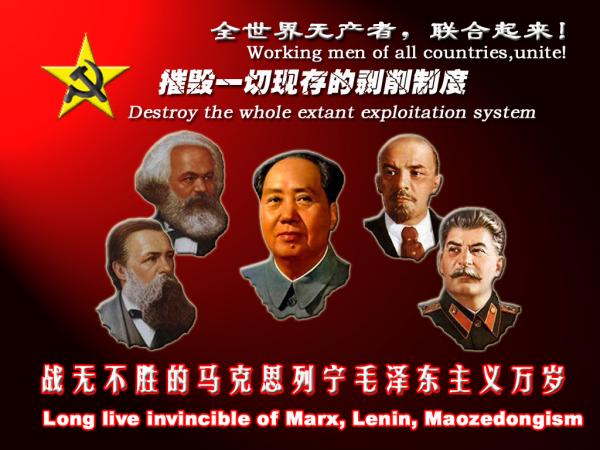
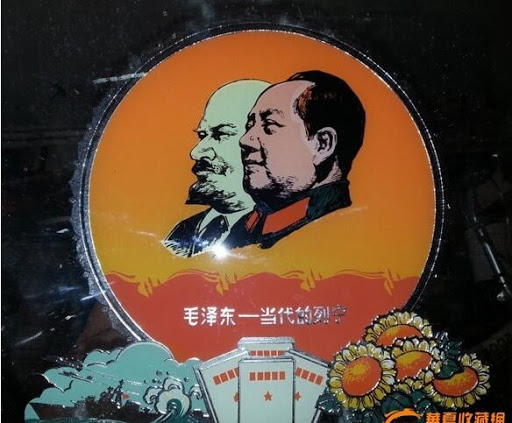
|
 | |
|

 |
| 實用資訊 | |
|
|
| 一周點擊熱帖 | 更多>> |
| 一周回復熱帖 |
| 歷史上的今天:回復熱帖 |
| 2023: | 勸進文:《試圖挽救民族危機,習近平與 | |
| 2023: | 南京跨年夜失控人群湧向孫中山像,當今 | |
| 2022: | 是社會主義還是資本主義禍害世界? | |
| 2022: | 科學家面對空青石,不做研究,說" | |
| 2021: | 文革獨裁 | |
| 2021: | 蓬佩奧的推特隱含著什麼意思? | |
| 2020: | 人均雞滴屁一萬刀,習近平的黃粱夢 | |
| 2020: | 習皇中國夢,帝夢真,百姓夢碎。 | |
| 2019: | 公知憤起,57陽謀再來?! | |
| 2019: | 習為何幫民進黨?是太心急還是那啥? | |
