



| Capitol Debate Camp—Final Days(國會辯論夏令營—辯論的日子) |
| 送交者: 天邊的紅霞 2020年06月25日06:39:12 於 [五 味 齋] 發送悄悄話 |
|
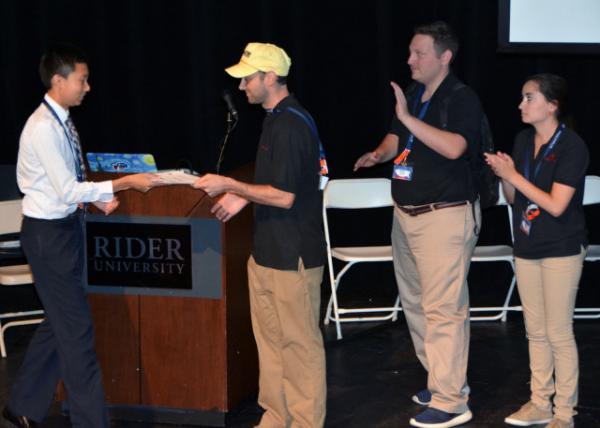
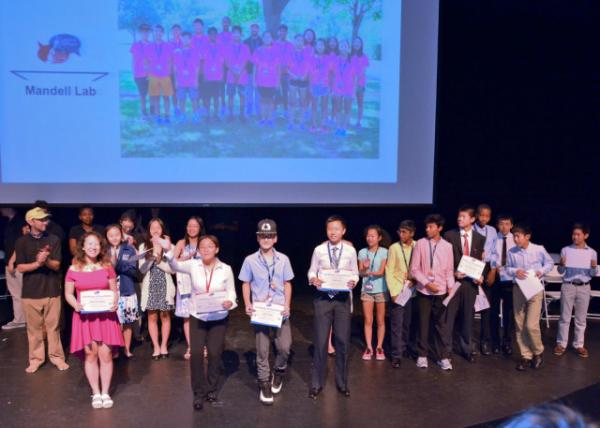
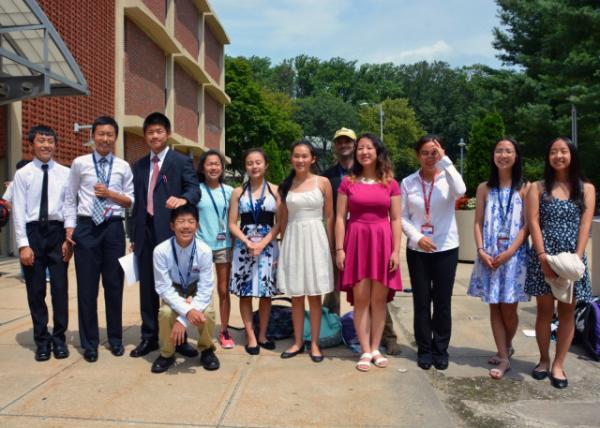
2017-08-10 【Aiden in English】 Time for debate. The big-boy, try-hard pants are on, and yet I still feel as if everything was unprepared. Today marked the beginning to a great adventure to a long series of competitions, a series of brutal tests through many opponents to reach the end goal: a championship win. I was placed in the intermediate division due to the age bracket and my lack of experience. However, the slight advantages I have over other students were the many lessons I’ve taken on public speaking. Already, the gifted and Guanghua Chinese School have taught me that speech comes naturally, and memorization is a typical way to mess up. With these things in mind, I thought the debate was the perfect example of thinking on the spot and showcasing my impromptu talents. I guess I should probably explain how the Capital Debate format worked. It was not any traditional format, although it does somewhat resemble Lincoln-Douglas. The Capital Debate featured teams of two, speakers one and two, to rotate different jobs. The Affirming side would construct its case first, having four minutes to do so. The second side, Negative, would cross-examine, similar to a questioning session. This time was set aside to poke holes in the opponents’ case, whether it may be in the evidence or the reasoning or setting a loop-hole in which any answer the opponents give would win you the argument. Following the first cross-ex, the Con side gives its openings, followed by another cross-ex from the Pro. Then Con attacks the Pro’s contentions, using the information gained during cross-examination. Later, the Pro attacks and each side then cross-examine the opposition’s attack. They then defend the attacks and conclude with a summary to explain why their side won the argument, regardless even if you believed you lost. Therefore, I feel as if the debate suits me because I will not concede defeat even when there is a sliver of hope remaining. I don’t really care for our case most of the time as well, and my strategy was that if the other case was torn apart during the cross-ex and attack speech, then we win. With this in mind, I always chose to go second, giving me an attack and summary. I love the impromptu opportunities these speeches give me, allowing me to poke at technicalities and evidence of the opponents. My partner, Lyle, was our opening speaker and defender. Before I get into debates, I would like to quickly explain the resolution, or the idea we are debating over. “The United States Government should fully fund Universal Health Care Coverage.” It sounds like a really annoying topic to research over, but it is, which makes attack even more fun. I am assuming everyone who is reading this has already done his research on UHCC (Universal Health Care Coverage), and that I don’t have to say the long, winding explanation of UHCC and its definition and the difference between UHC and UHCC and how UHC is single-payer and UHCC is unique and not used anywhere in the world currently. Furthermore, the resolution contradicts itself in that the government fully funds the health care when UHCC clearly says that taxes from the people will fund the system, therefore eliminating the argument that the government will lose money. UHCC would also most likely have a bracket tax system, like what we currently have now. Instead of going over the boring, long list of evidence from a hundred sites and tens of blocks, I would like to talk about points during the debate. Each debate featured essentially new arguments, and even if the same warrants were run, the evidence varied. Each opponent had a different style of the debate, varying between pathos and logos. However, there was not a single argument that could remain unscathed, and that was my job to destroy their contentions. The regular season, or the “Tournament”, was about picking up as many wins as possible and receiving feedback from the judges. Mostly speaker points, some judges valued speaking and Pathos over statistics and Logos. Therefore, the results may have varied from a judge to judge. What I do know that did not change was the overall theme run by each side. Con always tied in money, and Pro always mentioned lives. During the attack, the opposing side would attempt to outweigh the other side’s values, proving that UHCC would actually make more money or save fewer lives. Then the defense speech would be another argument over how the money will outweigh lives or vise-versa. This was essentially the lay-out for a debate. Through the tournament to qualify for playoffs, my partner and I crushed through many opponents, beating every one convincingly. We ended with the best record for the entire division, 5-0. However, playoffs are what matters, and we choked badly, losing in the first semi-finals. Oddly enough, the final two teams in the finals were both opponents we faced off in the tournament, and both were destroyed in one way or another. I guess even if we didn’t win the championship, there is a moral victory deep within. I also felt as if the arguments ran in the finals were simply too easily disrupted in attacks. But regardless of what I felt, the judge didn’t think that we deserved to be in the finals. At the end of the day, we fell short of our projected standards. However, during the awards ceremony, not only did we receive third place in the division, I was given the Best Speaker Award. At certain times, I thought the only reason Lyle and I won the debate was because we had better speakers, but I hope that’s not the case (pun). The next day was the final day. Everyone said goodbyes, I felt slightly sad, and nobody cared about the time set for departure. Truthfully, now that phones are a thing, I’ll always be connected to the other debaters at the camp through the internet. However, texting will never reach the interaction from intelligent arguments of the debates. The time spent with these new strangers now transformed them into old friends. 【紅霞譯文】 辯論的時刻到了,大小伙子們個個卯足了勁躍躍欲試,可我還是覺得什麼都沒準備好,今天標誌着一系列辯論大比武的開始,一路過五關斬六將直至終極目標:冠軍得主。 基於年齡和經驗有限,我被分派到中級辯論區,這樣反倒讓我略占優勢,畢竟以前上過很多演講課,資優班和光華中文學校均教我談吐自然,背稿只會橫添亂子。牢記這些要領,我想辯論當該成為表現臨場思考和展示本人即興發揮才能的完美範例。 我也許應該先解釋一下國會辯論營所採取的辯論模式,雖說有點遵循“1858年林肯—道格拉斯辯論”規範,但它與任何傳統形式不盡相同。國會辯論團隊由兩人即第一位和第二位辯手組成,彼此輪流扮演不同角色。第一隊即正方開篇陳述四分鐘;第二隊即反方交叉提問,與陳述部分相似,在限定時間來找出對方漏洞,無論在證據、推理或者從對方回答問題時出現的閃失都能幫你贏得這場辯論。 在第一次交叉提問之後,輪到反方開篇陳述,正方再交叉提問,然後反方答辯,每一方交叉質疑對方的攻辯,爭執雙方各自發表駁論,最後結辯解釋自己為什麼贏得爭論,即使你相信大勢已去。 我覺得自己適合辯論,因為哪怕獲勝的可能性很小,我也會巧取制勝。多數情況下,我對本隊接什麼案例都不計較,假如其它案例在交叉質疑時被推翻,我加強攻辯策略,那麼肯定勝券在握。 正因如此,我總愛出任第二辯手,接受進攻並總結陳詞。我喜歡臨場演講時即興表現,親自指證對方技術性和證據上的缺陷,而我的同伴萊爾則做開篇立論和辯護人。 在我捲入辯論之前,我喜歡對結論或者即將辯論的構想點到為止。“美國政府應該全力資助全民健康保健”,乍聽起來像是非常棘手很難研究透徹的課題,但它卻使攻辯變得更有意思。假設凡是看到此篇文章的讀者都曾研究過全民醫療保障,所以我在這裡不必長篇累牘解釋它代表什麼及其具體定義、全民醫療保健和全民醫療保障之間的差異、全民醫療保健如何是單一支付人、全民醫療保障獨一無二但迄今尚未在世界上任何地方推廣使用。此外,對方在結辯政府全力資助健康保健上自相矛盾,因為全民醫療保障清楚地指出整個系統資金運營全部來自個人上繳的稅收,所以應該排除政府虧損這一論據,全民醫療保障充其量牽扯到的只是稅率制度問題,與我們現有的一樣。 暫且不說那些從幾百個網站幾十條網訊上摘錄下來乏味而冗長的證據,我想談一下辯論積分。每場辯論原則上都要提出新論據,即使操作機制相同,可證據總有變化。隨着場上情緒與理智的變化,爭論雙方辯風也各有差異。然而,沒有任何單一論據能夠毫髮無損,我的工作就是要攻擊對方論點。 常規賽季亦稱“比賽”贏得越多積分越高,評委提供反饋意見,多數情況下辯手積分取決於評委如何衡量情緒表達與邏輯推理,所以說不同的評委打分迥然有別。 辯論雙方無論誰做正方還是反方,我知道核心主題固定不變,反方總是跟金錢脫不了干係,正方則與生命線密切相關。進攻期間,反方試圖凌駕於正方價值觀之上,證明全民醫療保障實際上賺錢即喪失生命;接着正方擺出另一論點,到底金錢高於生命還是生命比金錢重要。從本質而言,辯論就是按照這種布局設計的。 通過常規賽季選出參加季後賽的辯手,我和同伴以絕對優勢擊敗各個對手而入圍,並且創下了整個賽區五局全勝大滿貫紀錄。誠然,季後賽才是最重要的,我倆在第一場半決賽上慘遭淘汰。令人抓狂的是,進入決賽的兩個隊都是我們在常規賽季中相遇的對手,當時他們輸得慘不忍睹。我覺得即使咱沒摘取冠軍頭銜,內心深處還是雖敗猶榮,只是在決賽中論據經不起攻辯而已,但不管個人感覺如何,歸根結底評委認為我們沒有資格角逐冠軍。 比賽結束了,我們並未達到預期目的,然而在頒獎儀式上,咱哥兒倆不僅獲得團體第三名,我還捧回最佳辯手證書。有時候我在想,自己和萊爾之所以贏得辯論,當該歸功於卓爾不群的演講者,但我倒希望蠻不是那檔子事兒(雙關語)。 明天將是夏令營最後一天,人人都互道再見,我有點傷心,況且沒人想要離開。說真的,現在手機盛行,我會一直通過網絡與夏令營結識的其他辯手保持聯繫,但發短信永遠沒有辯論時唇槍舌戰那種互動,朝夕相處的日子已經把素昧平生的我們變成了一見如故的老朋友。 Today in History(歷史上的今天): 2015: GHCS Camp─Behavior(光華夏令營─規矩) 2014: Auld Lang Syne(友誼地久天長)
Crosslinks(相關博文): 2017: Capitol Debate Camp Day-6(國會辯論夏令營第六天) 2017: Capitol Debate Camp Day-5(國會辯論夏令營第五天) 2017: Capitol Debate Camp Day-4(國會辯論夏令營第四天) 2017: Capitol Debate Camp Day-3(國會辯論夏令營第三天) |
|
|
 |
 |
| 實用資訊 | |
|
|
| 一周點擊熱帖 | 更多>> |
| 一周回復熱帖 |
| 歷史上的今天:回復熱帖 |
| 2019: | 胡主編號召用大排檔打敗美國,中共又多 | |
| 2019: | 網上瘋傳李源潮自殺身亡 | |
| 2018: | 傍晚黃昏-------甲午海戰祭奠 | |
| 2018: | 中國軍隊大敗美軍,幹仗靠女人 | |
| 2017: | test | |
| 2017: | 饞貓語錄 | |
| 2016: | 《命運賦》zt | |
| 2016: | 歐盟頭頭們要求英國趕快離開歐盟,越快 | |
| 2015: | ZT虛構的古希臘文明 | |
| 2015: | 新不平等條約中國將投6.6萬億美元來完 | |
