



| Gjirokastër—Stone City, Albania(阿爾巴尼亞吉諾卡斯特─石頭城) |
| 送交者: 天邊的紅霞 2020年07月12日09:02:05 於 [五 味 齋] 發送悄悄話 |
|
2018-07-14
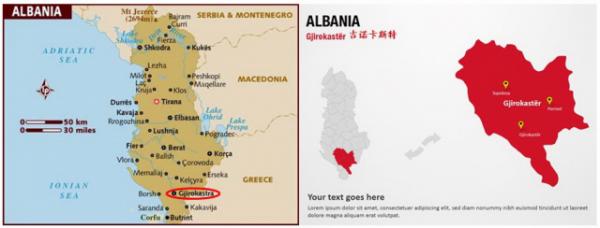
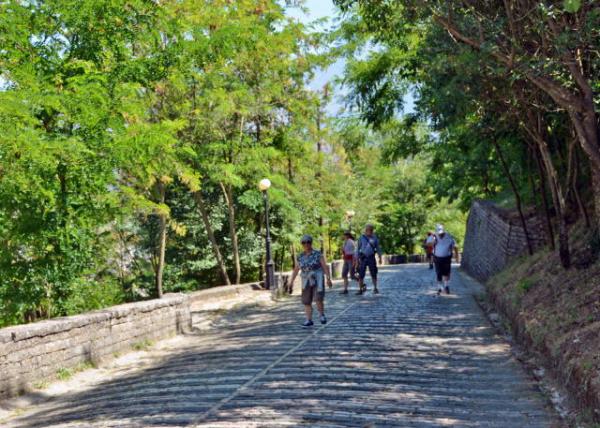
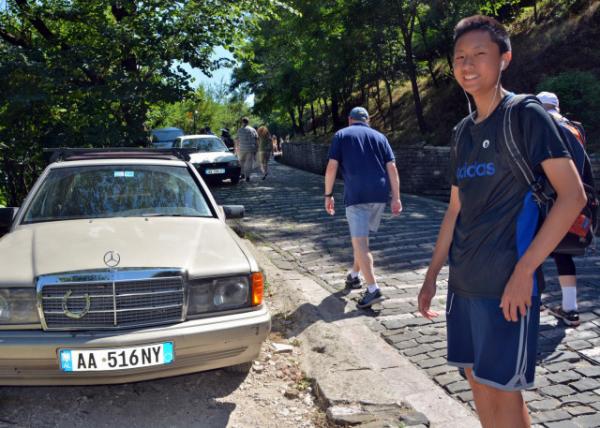
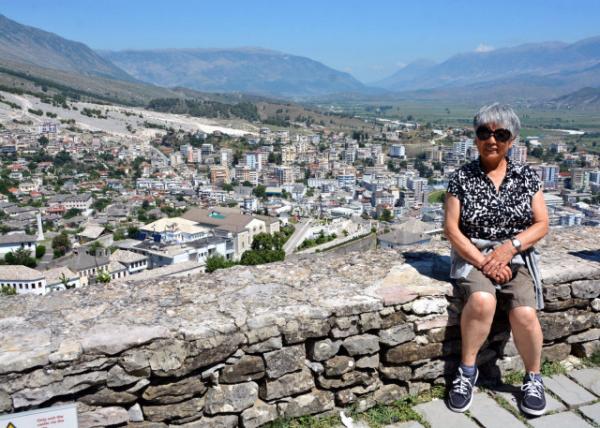
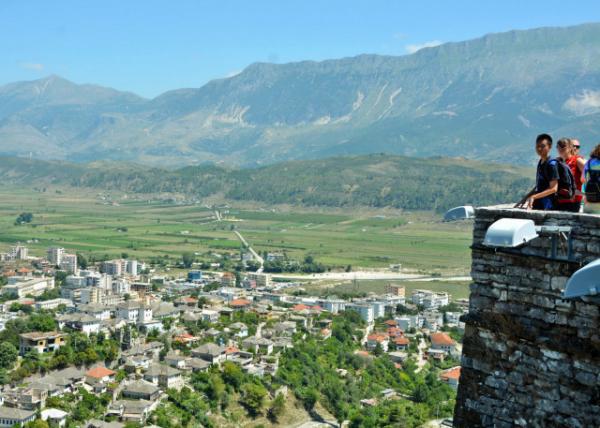
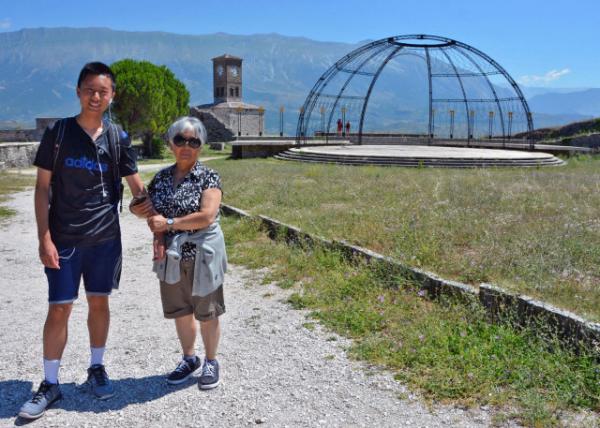
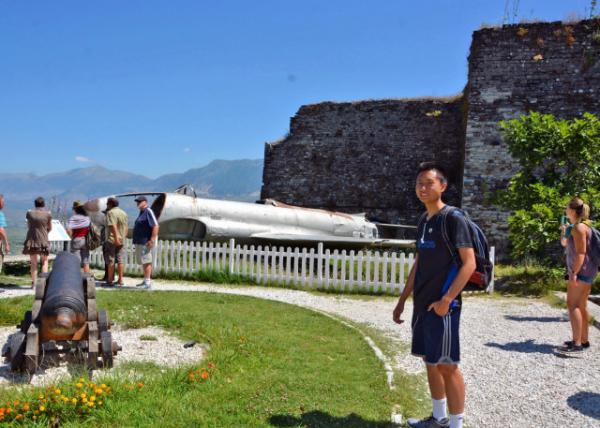
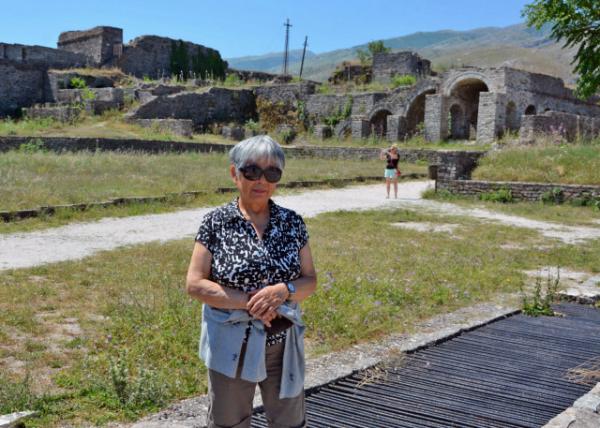
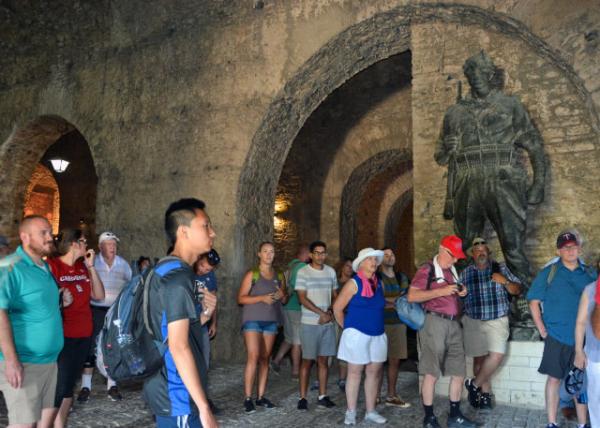
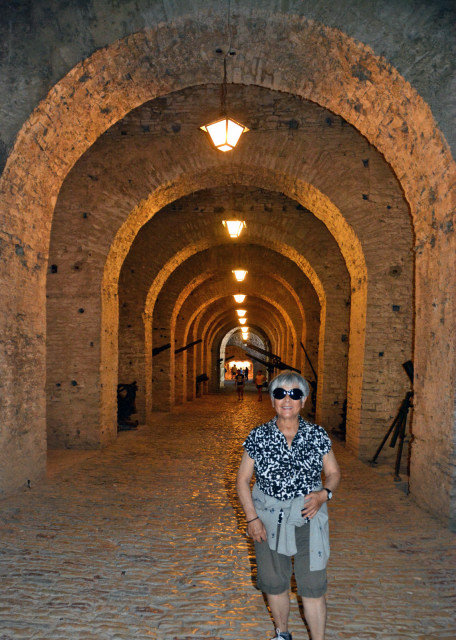
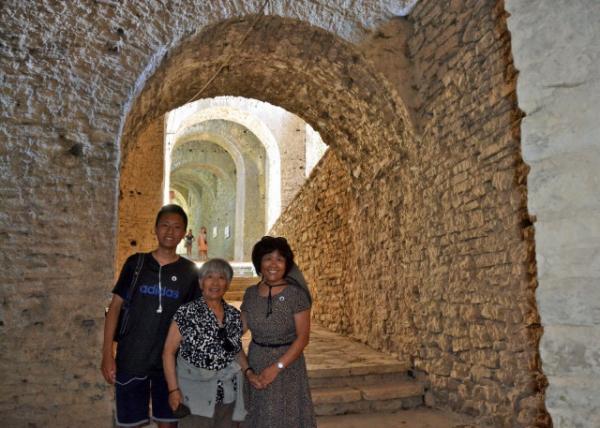
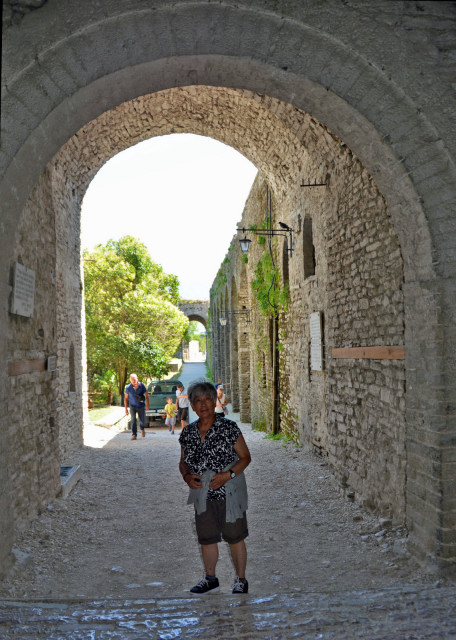
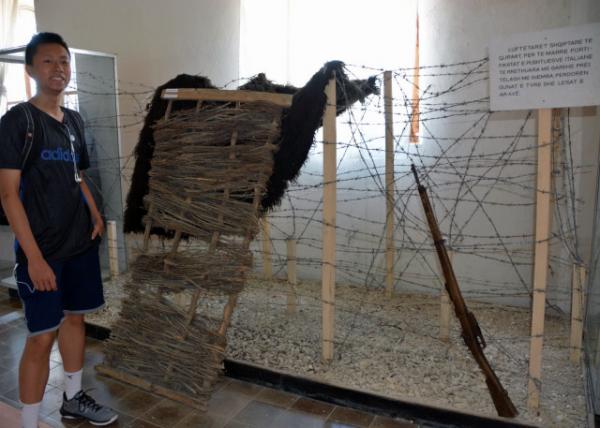
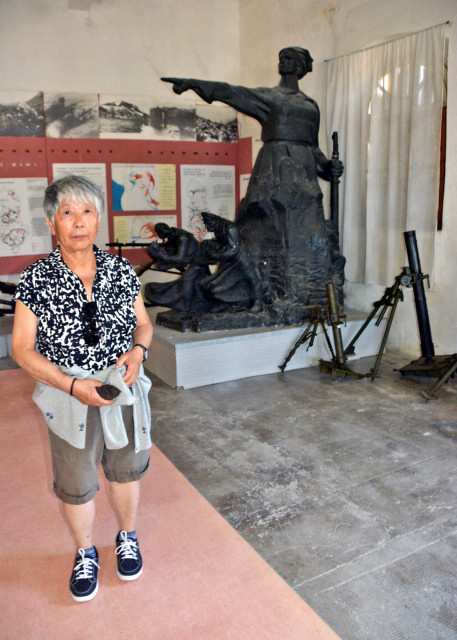
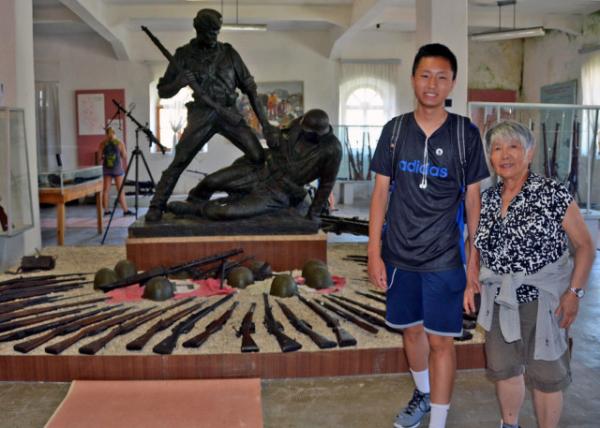
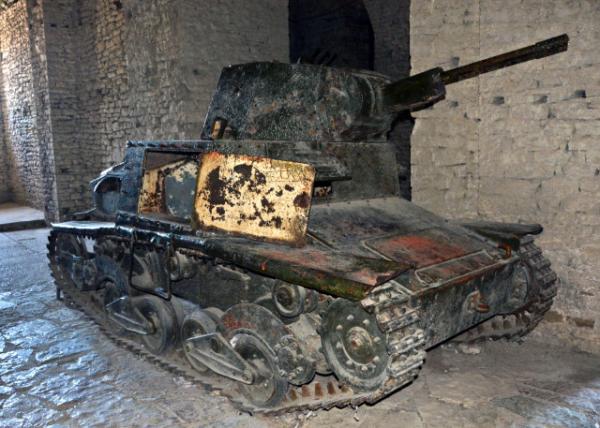
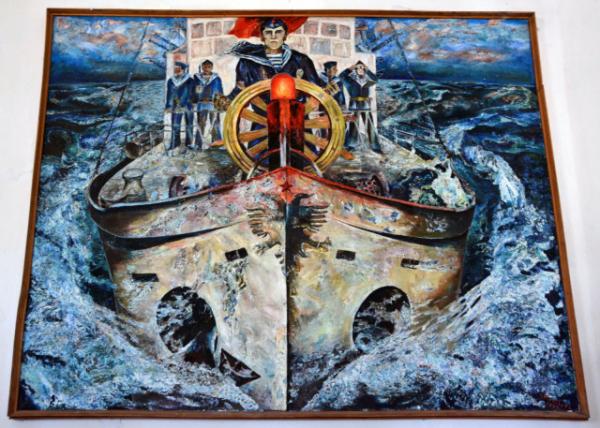
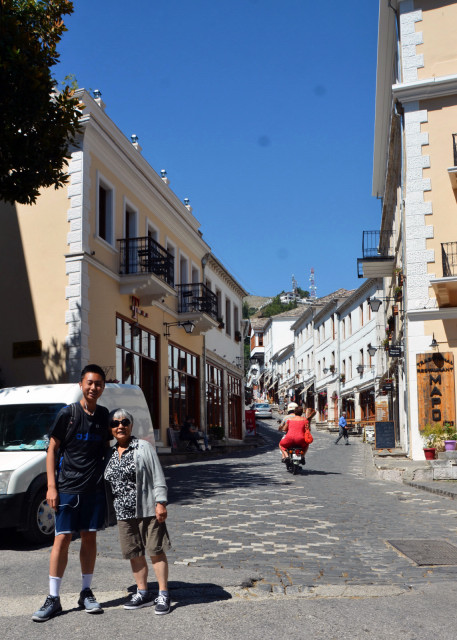
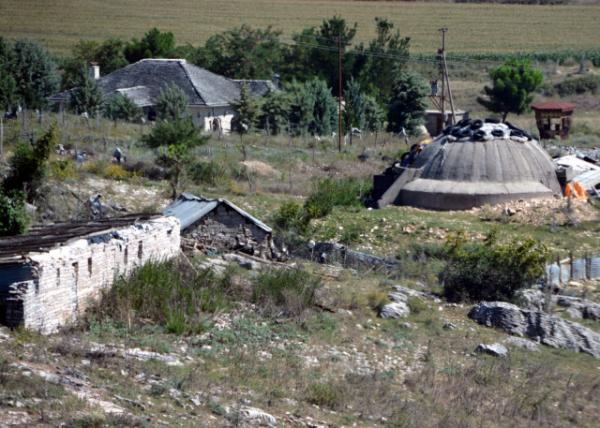
【Aiden in English】 Gjirokastër, Albania. Wow. What a name! The city is just as obscure as its title. It's easy to assume none of you have heard about it, as it went to the same for me. But because the cruise ship made a stop at Sarandë in the Balkan region, Giro-Gyro-Gjro... Gjirokastër, of all places, would have to do. Gjirokastër, the town of a thousand steps, perhaps isn't as off the map as I thought. Not only did a number of battles occur in the area, but many communistic influencers also originated from there. Enver Hoxha, the communistic dictator, and Ismail Kadare, the author who spoke out about communism and a Nobel nominee, both came from the same origins, which was quite ironic. The famous story of Ascension on Death was set and filmed here as well. Furthermore, looking at the city and surroundings, the effects of the lack of money was significant. As our tour guide, Ols describes, many residential buildings remained half finish due to the stoppage of funds, usually from family members outside the country. I found that somewhat skeptical, but then he explained his credentials, which included being the chief of Culture and Heritage for the president of Albania. Interestingly, there were 700,000 defensive bunks, equivalent to 1 bunk/4 people on average, constructed across the country during the Hoxha era. In the past 40ish years prior to 1991, Albania had a love-and-hate relationship with Yugoslavia, USSR, China, and Cuba. Ols led us on a slow trek up the slope of the Mali i Gjerë or Mount Wide to the city fortress over River Drino, which was built in the 4th century and used in WWI and WWII, as well as in the 1991 democracy revolution. Inside, the Natl. Armory Museum featured some old warfare type of artillery, submachine and machine guns. From the current perspective, they were nothing special. It's hard to imagine fifty years down the road, and we'll have a museum where a curator says to visitors: "Here is the nuclear bomb, a primitive weapon of mass destruction." Eventually, we weaved our way through the fortress, with the guide dropping useful facts and fun here and there. There was a plethora of information, including a Fiat tank, which looked like an actual Fiat car with metal plates glued to the windows. Most interesting of all probably would be the communistic paintings. Never have I seen a more awkward smile in a picture. I understand that I force many painful smiles in the pictures, but this was especially out of place. Take a painting of sailors, standing tall in a V-formation on the deck of a ship, ravaged by waves. I can't say if the sailors enjoyed getting sprayed by freezing cold water, but they smiled brightly, with a communist Albanian symbol of a red-star painted on the ship head. Although I felt as if the painting was pointless, this was the type of propaganda the dictators in communist countries imposed over people. It's almost laughable, and I don't get it. Artists who disagreed with their ideals were imprisoned, most likely as treason. Then again, in a communist society, why would an artist even try? This was the first spot that had no world-renowned brand, which was a break. It also wasn't in the European Union, which also was nice. Tomorrow brings around another famous town, Olympia, in a unified member of the EU. It will be another visit to the country of Greece, too. 【紅霞譯文】 阿爾巴尼亞吉諾卡斯特,多特別喲!這座城市猶如它的稱號匪夷所思,恐怕誰都沒聽說過,包括本人在內,但因為遊輪停靠巴爾幹地區的薩蘭達市,“智諾──鬼諾──吉諾……吉諾卡斯特”之類的地方值得一游。 吉諾卡斯特被譽為“千步之城”,我蠻以為從地圖上找不到它,其實純屬孤陋寡聞。該地區不僅戰事迭起,並且湧現出許多共產主義先驅,而共產黨領袖恩維爾·霍查和諾貝爾文學獎候選人伊斯梅爾·卡達爾竟然同生此地,可謂天下奇聞;《寧死不屈》的故事原型也發生在吉諾卡斯特,享譽中國的同名電影就是在這個革命根據地拍攝的。另外,城區建設明顯面臨資金緊缺,正如導遊歐爾斯所言,許多民房私宅因經濟疲軟而處於半完成狀態,通常這筆財力投入全部仰仗國外親屬寄錢數額,未免讓我難以置信,不過以他的背景身份,上述情況應該屬實,畢竟歐爾斯曾擔任過總統欽定的國家文化遺產委員會主席。霍查時代舉國上下一共建造了70萬防衛地堡,相當於平均每四人擁有一座,令人忍俊不禁。1991年之前四十多年間,阿爾巴尼亞與南斯拉夫、蘇聯、中國和古巴之間更是愛恨交加。 歐爾斯帶領大家從德里諾河畔慢慢沿寬山坡爬上吉諾卡斯特要塞,這座堡壘建造於公元四世紀,歷經第一、二次世界大戰以及1991年民主革命洗禮;裡面設有國家軍事博物館,展示戰爭時期用過的大炮衝鋒鎗機關槍,用現代眼光來看,它們沒啥特別,很難想象未來五十年博物館解說員將對來訪者介紹:“這是核彈,一種具有大規模殺傷性的原發武器”。 最終,我們轉遍了整個要塞,導遊東一句西一句,但凡打開話匣子便聊個沒完沒了,其中還涉及到菲亞特坦克,它的外表看上去好似菲亞特汽車,只不過車窗封上了金屬板。最有趣的莫過於共產主義宣傳畫,我從未見過如此做作的笑容,雖然自己面對鏡頭也常常皮笑肉不笑,但萬萬不能反映到畫面上。以再現水手的繪畫為例,他們在甲板上排成V字型昂首挺胸頂風破浪,我吃不准各位是否喜歡冰水撲面,但個個笑容燦爛,船頭上還點綴着一顆象徵共產主義的紅五星。 儘管作品本身並無多大意義,但這不失為共產黨國家統帥領導民眾的宣傳方式,看似非常搞笑,愈發讓我丈二和尚摸不着頭腦,更何況凡是持有反對看法的藝術家都會鋃鐺入獄,極有可能被判成叛國罪,既然如此,為什麼生活在共產主義社會的藝術家還要嘗試呢? 吉諾卡斯特是第一個沒有世界名牌產品的地方,正好消停一會;它尚未加入歐盟,日子也挺滋潤。明天我們要被帶到另一個被歐盟同化的名城:奧林匹亞,又將重訪希臘。 Today in History(歷史上的今天): 2016: Maeshowe in Orkney Is, UK(蘇格蘭梅肖韋古墓) 2016: Natural Habitat of Orkney Is, UK(蘇格蘭奧克尼島生態) 2016: Orkney Islands in Scotland, UK(蘇格蘭奧克尼群島) 2016: Skaill House in Orkney Is, UK(蘇格蘭斯凱爾宅邸) 2016: Skara Brae in Orkney Is, UK(蘇格蘭斯卡拉布雷新石器時代遺蹟) 2016: Ring of Brodgar in Stenness, UK(蘇格蘭布羅德蓋石圈) 2016: Heart of Neolithic Orkney, UK(蘇格蘭新石器時代奧克尼中心) 2014: GHCS Camp—First Day(光華營第一天) 2012: Drama Rehearsal(戲劇排練)
Crosslinks(相關博文): |
|
|
 |
 |
| 實用資訊 | |
|
|
| 一周點擊熱帖 | 更多>> |
| 一周回復熱帖 |
| 歷史上的今天:回復熱帖 |
| 2019: | 原來詩就是把散文按長短句排列,這我也 | |
| 2019: | 離別(イビョル),感動。。 | |
| 2018: | 三人爭論的焦點:上帝為什麼允許邪惡存 | |
| 2018: | 人為刀俎我為魚肉,美國大賺特賺 | |
| 2017: | 一座名叫朝鮮形同毛惡年代中國的集中營 | |
| 2017: | 就章案與西岸談辯論 | |
| 2016: | 國內現在群情激憤啊,微信里煽動得快爆 | |
| 2016: | 聯合國的國制公約和法律,包括海洋公約 | |
| 2015: | 於偉:邁錫尼文明 | |
| 2015: | 老禿:周日坐法拉利賽車兜風 | |
